Biofortification Regulation: How Food Nutrient Standards Will Shape Crop Input Compliance Requirements
Biofortification is often framed as a regulatory challenge, but the change underway suggests that it’s moving from niche to mainstream. As governments and global bodies tighten expectations around nutrient content in food, the pressure is moving upstream into agriculture. Crop inputs, such as fertilizers and biostimulants, are now part of the conversation. Their role in helping crops meet nutrient targets is becoming more visible, linking farm-level decisions more directly to compliance requirements in the food industry.
The Global Push for Nutrient-Rich Foods
Biofortification is the process of increasing the nutrient content of crops as they grow. This makes it different from traditional fortification, where vitamins and minerals are added to foods like cereals or delivered through supplements such as folic acid tablets. Some biofortified crop examples include zinc-enriched wheat and rice, vitamin A-enriched, orange-fleshed sweet potatoes and cassava, and iron-rich beans and pearl millet.
Biofortified crops are gaining attention as part of a wider effort to improve global nutrition. Micronutrient deficiencies, often referred to as “hidden hunger,” still affect billions of people. Over half of the global population doesn’t consume enough essential nutrients, such as calcium, iron and vitamins C and E. Biofortification offers a solution to this problem, with national nutrition strategies, school feeding programs and international development goals increasingly incorporating it as a recommended intervention.
Adoption is already moving on a scale. By 2024, over 40 countries released 475 biofortified varieties of 12 staple crops. The distribution efforts encompassed over 12 million hectares and reached 115 million consumers, including 17.3 million smallholder households.
In addition to public health initiatives, consumer demand also accelerates the biofortified crop trend. People are becoming more attentive to food that delivers more than just calories. Therefore, health positioning, once a niche marketing angle, is moving into the mainstream.


What Biofortification Regulations Look Like
Biofortification is currently regulated based on the final product, not the process used to produce it. This means nutrient-enriched crops must comply with existing frameworks covering food safety, labeling and health claims. A 2022 review of standards and laws across 20 countries found that existing food labeling provisions are sufficient to support the sale and marketing of foods made from conventionally bred nutrient-enriched crops. These frameworks allow products to be marketed based on their natural nutrient content and associated nutrition claims.
In the UK, oversight is managed by the Food Standards Agency, alongside Food Standards Scotland, to ensure that products meet requirements for safety, quality and consistency. Standards are also being developed to define nutrient thresholds. The British Standards Institution (BSI) has introduced Publicly Available Specifications (PAS) that set minimum micronutrient levels for crops to be classified as nutrient-enriched. These include zinc in wheat, maize and rice, among others.
Biofortification regulations address a previous gap in the market. Until 2021, it was not possible to distinguish nutrient-enriched crops from conventional varieties at the grain level. The introduction of measurable thresholds enables traders to specify nutrient content in procurement, thereby aligning across the value chain. The system involves multiple stakeholders, including policymakers, farmers, traders and food manufacturers, to support consistency, verification and market acceptance.
How Biofortification Is Changing Crop Input Decisions
The integration of biofortification into national food legislation is changing how crop inputs are evaluated. Although yield remains important, it’s no longer the only benchmark. Inputs are increasingly assessed on their ability to help crops reach defined nutrient levels in edible portions such as grains or tubers. Several practical changes are beginning to influence decision-making:
- Standards are becoming more formalized: Frameworks such as the BSI PAS are setting early benchmarks. These might be adopted into policy, with a growing focus on trace nutrients like selenium and zinc, leading to more documentation and clearer justification for input use.
- Proof of nutrient impact is gaining importance: As “nutrient density” becomes a marketable claim, input products may require certification. For example, producers may need to show that foliar amino acids or similar inputs can measurably increase compounds such as carotenoids.
- Labeling is influencing input selection: Future compliance is likely to include specialized labels confirming that crops meet “high-nutrient” standards.
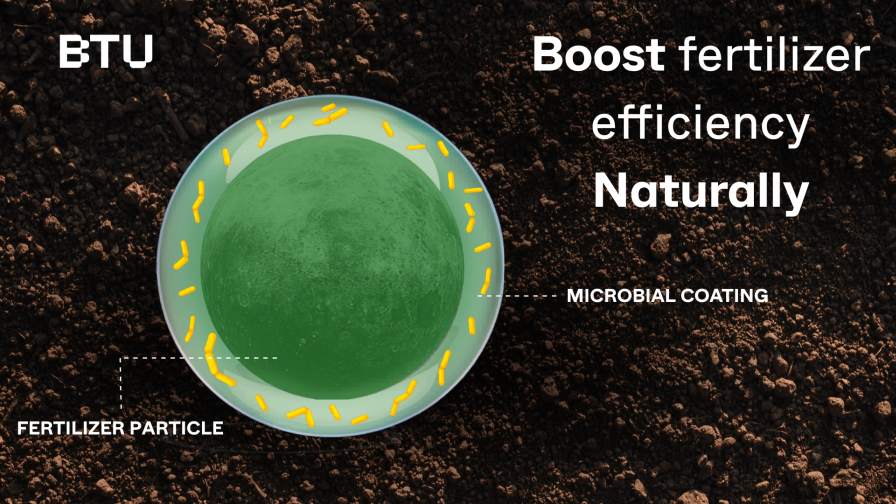
- A move toward specialty fertilizers: Biofortification regulations emphasize high-efficiency solutions such as nano-fertilizers, chelated nutrients and water-soluble formulations that improve nutrient uptake into edible plant parts.
- Greater precision in application: Timing and method are becoming critical. For instance, zinc applications in wheat must occur during the booting stage to make sure nutrients are efficiently absorbed.
Turning Compliance into a Competitive Edge
The move toward nutrient-focused regulation presents both challenges and opportunities for businesses. The global biofortification market, valued at $142.70 million in 2025, is expected to more than double to $368.79 million by 2034, expanding at an annual rate of 11.19%. Asia Pacific already accounts for 42.92% of this market, underscoring how demand is concentrated in regions facing persistent micronutrient gaps.
This growth points to a commercial advantage. Nutrient performance is increasingly tied to financial outcomes. In adjacent sectors, poor eggshell quality leads to downgrade rates of 6% to 20%, resulting in annual losses of around $480 million in the U.S. The same principle applies to crops. As nutrient standards tighten, inconsistencies in nutritional quality could carry similar economic consequences across agricultural supply chains.
Simultaneously, biofortification presents a cost-efficient pathway. Research consistently shows it is among the most economical approaches to improving nutrition, with around 75% of cases delivering strong value for money. Once adopted, biofortified crops continue to offer benefits each season with minimal additional cost. Unlike post-harvest fortification, the nutritional value is embedded in the crop itself, making the process scalable and sustainable.
Nutrients That Count
As standards evolve, nutrient content is increasingly included in how crop quality is measured. This raises new expectations for crop input companies, while also opening new opportunities, including biofortification. Businesses that can meet nutrient targets without raising costs may find it easier to stay competitive.
Get The Newsletter Today!