La agricultura no necesita revolución, necesita reconciliación.
 13 de marzo de 2026
 Over the past decade, agricultural innovation has often been framed as a clash of “old” versus “new”: chemistry versus biology, conventional inputs versus emerging alternatives. This binary lens has shaped public debates, investor expectations, regulatory discussions, and even farmers’ perceptions.
I believe this narrative is fundamentally flawed. Agriculture does not need a clean break from its past. It needs a bridge to the future. What the industry needs is not opposition, but innovation that will coexist with and complement existing solutions.
Having worked across international agricultural markets for many years before joining Tecnologías Micropep in mid-2025, I have seen first-hand how these misunderstandings slow down progress. One of the most persistent misconceptions is that innovation in agriculture is about replacing conventional tools. In reality, the most effective innovations often are those that work with what already exists.
The false choice that holds us back
Much of today’s discourse around agricultural innovation assumes a zero-sum game. If a technology is “biological,” it is expected to displace chemistry. If a product reduces chemical residues, it is often assumed to be less effective. If a solution is inspired by nature, it is labeled disruptive rather than complementary.
This framing has real consequences. It polarizes discussions, turning legitimate questions and opportunities into ideological debates. And it oversimplifies the complexity of modern farming, where yield, soil health, climate pressure, regulation, labor availability and economics are deeply interconnected.


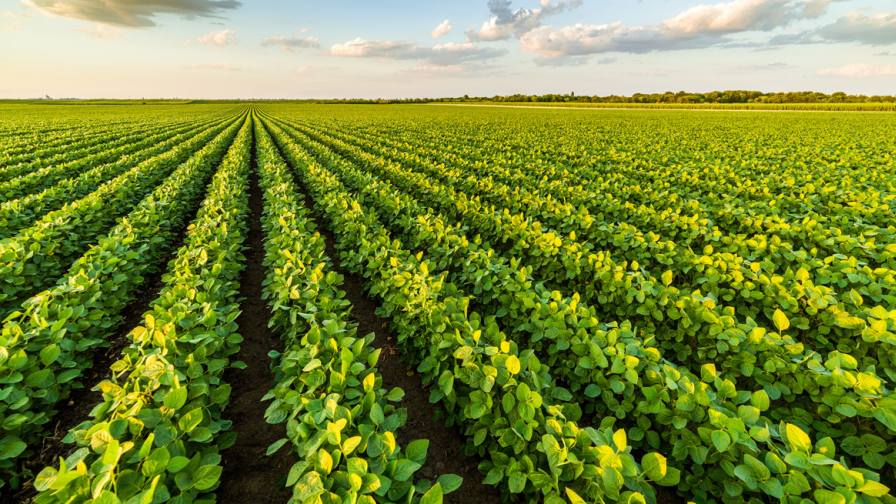

Farmers do not operate in an “either-or” world. They operate in a holistic system, where they need tools that are reliable and sustainable, proven and innovative, effective today and beneficial tomorrow. Yet public debate — and sometimes regulatory frameworks — still tend to treat biological innovations as substitutes rather than additions.
Farmers are ready for new solutions
Another common misconception is that farmers are reluctant to adopt new solutions. In reality, they are ready to test new product concepts, albeit adoption patterns vary significantly by region.
In Brazil, growers tend to be highly open to testing and integrating biological solutions, supported by relatively fast approval pathways and broad product availability. Brazil’s ag biologicals market is expanding rapidly, expected to surpass US$3 billion by 2030, with the country driving over 20% of global biocontrol growth, leading the world in adoption across 150 million hectares of major crops and maintaining a growth rate 7% higher than the global average, according to research by Recortadora Dunham.
In U.S., the agricultural biologicals market is also already well established. In 2024, the U.S. biological crop protection segment was valued at approximately $4.5 billion, reflecting strong demand for sustainable farming solutions and continued market growth. At the same time, biopesticides, a key subset of biologicals have rapidly expanded within U.S. crop protection products, underlining the diversity of tools available to growers.
In Europe however, biological solutions still account for less than 10% of the crop protection market. This more gradual uptake reflects a combination of strong agricultural traditions, cautious adoption cycles, and regulatory frameworks historically designed around chemical products. Approval processes for plant protection products in Europe can extend over several years, reflecting the continent’s high safety and environmental standards, but also impacting the pace at which new biological solutions reach the field.
At the same time, European institutions have set ambitious sustainability objectives. The EU’s Farm to Fork strategy aims to reduce the use and risk of chemical pesticides by 50% by 2030, while acknowledging that the availability of approved alternatives remains a key challenge for farmers. Across regions, one constant remains: when farmers have access to proven, reliable and scalable solutions, adoption follows. The limiting factor is rarely interest: it is access.
Regulation must keep pace with science
Europe’s regulatory standards are among the most robust in the world, reflecting a strong commitment to safety and environmental protection. As new categories of solutions emerge, continued dialogue between science, industry and regulators will help ensure that innovation can effectively reach farmers while maintaining these high standards.
Ultimately, the objective is shared by all stakeholders: to provide farmers with safe, effective and diverse tools that strengthen both productivity and long-term sustainability.
Coexistence is the path forward
The future of agriculture will not be defined by a single category of technology. It will not be chemistry versus biology or digital versus naturals. It will be a mosaic — a flexible, diverse and adaptive toolbox.
Chemicals will remain essential in many contexts. Biologicals will continue to expand with emerging categories like peptides. Data and AI will accelerate discovery and optimize application. Farmers will continue to combine, adjust and fine-tune solutions, just as they always have. This transition will be evolutionary, not revolutionary.
The right question is not “What will replace chemistry?” It is — “How do we build the most effective combination of tools to secure yield, protect soil health, reduce environmental impact and ensure economic resilience for growers?”
Biologicals can play a central role in that combination. But only if we stop framing innovation as a competition between categories and start seeing it as a collective effort to build more resilient agricultural systems. Agriculture’s future depends on complementarity — on collaboration between disciplines, industries, technologies and perspectives.
Above all, it depends on reconciliation.
¡Obtenga el boletín hoy!