Las potencias mundiales en protección de cultivos se enfrentan a riesgos divergentes en 2026 y en adelante
 5 de febrero de 2026
 Mientras la agricultura mundial se enfrenta a la incertidumbre económica, la inestabilidad geopolítica y las cambiantes dinámicas de la oferta y la demanda, tres países siguen desempeñando un papel fundamental en el mercado de protección de cultivos: Brasil, Rusia y China. Si bien cada uno de ellos sigue siendo crucial para la producción agrícola mundial y el suministro de insumos, cada uno enfrenta desafíos específicos que podrían determinar la trayectoria de la industria en los próximos años.
Esos desafíos fueron el centro de atención durante un episodio reciente de la Informe global de agronegocios, con Bob Trogele, director ejecutivo de ProAgInvest. Basándose en décadas de experiencia en finanzas e inversiones agrícolas, Trogele ofreció una evaluación sincera de lo que les espera a estas potencias globales y lo que esto significa para los proveedores, inversores y líderes del agronegocio en todo el mundo.
Brasil: El estrés crediticio se une a la incertidumbre política
La posición de Brasil como potencia agrícola es indiscutible, pero Trogele advirtió que la tensión financiera está poniendo a prueba la resiliencia de toda la cadena de valor. "La pregunta clave era cuánto tiempo la industria proveedora —proveedores de productos químicos, nutricionales, de semillas, de equipos y financieros— podría seguir apoyando a la agricultura brasileña", afirmó.
Durante años, los proveedores ofrecieron generosas condiciones de crédito para mantener el flujo de productos, en algunos casos ampliando los días de capital de trabajo a más de 300. Según Trogele, ese modelo ha llegado a su límite. "El producto o el servicio no se materializaron, y luego volvieron. Esto causó importantes problemas financieros a algunas de las empresas que eran proveedores para Brasil", explicó.
La alta inflación y las tasas de interés desorbitadas han agravado el problema, provocando quiebras en sectores agrícolas, minoristas y de distribución. “Actualmente, el dinero en Brasil está muy caro y tienen problemas de crédito”, afirmó Trogele. Si bien el gobierno brasileño ha tomado medidas para crear mecanismos financieros que reduzcan la dependencia de proveedores privados, el futuro sigue siendo incierto.
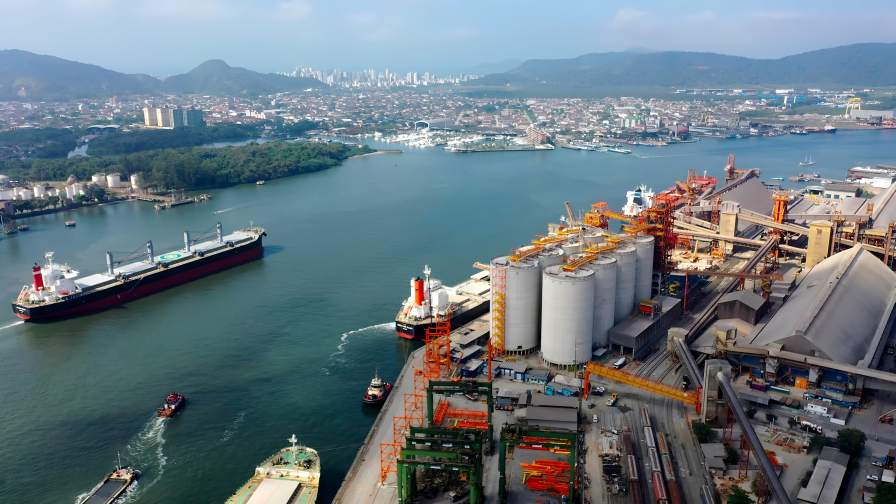
La inestabilidad política complica aún más el panorama. Dado que aproximadamente 301 billones de dólares del PIB brasileño están vinculados a la agricultura, Trogele enfatizó que “tanto la inestabilidad política como este riesgo crediticio en Brasil deberían ser una prioridad para cualquier inversionista que invierta en Brasil”, incluidas las empresas agroindustriales que operan en el país. Por ahora, los desafíos de Brasil son inmediatos e inevitables.
Rusia: guerra, desgaste y una cuestión abierta
El futuro agrícola de Rusia está profundamente entrelazado con la guerra en curso en Ucrania. Trogele señaló que la economía del país se ha orientado hacia la industria militar, mientras que sus fuentes de ingresos tradicionales se enfrentan a presiones. "Han tenido problemas con su principal fuente de ingresos, que es el petróleo, y los europeos se están alejando de ellos", afirmó.
La guerra, añadió, trae consigo una destrucción inevitable. “Toda guerra causa un gran desgaste, tanto en el aspecto humano como en el económico. Se destruyen vidas, familias, equipos y edificios”. Si bien Rusia ha sufrido históricamente este desgaste, las consecuencias a largo plazo para la agricultura y la inversión siguen siendo inciertas.
Cuando comenzó el conflicto, muchos inversionistas y proveedores agrícolas abandonaron el mercado. La pregunta clave ahora, dijo Trogele, es si regresarán. "Desde la perspectiva de la industria agrícola y de la industria proveedora, ¿regresarán las empresas? No es fácil responder", señaló. Mucho depende de cómo evolucione el conflicto y de si se puede restablecer la estabilidad económica.
China: El exceso de capacidad tras el telón
China sigue siendo un pilar fundamental de la industria mundial de protección de cultivos, tanto como proveedor como cliente. Trogele reconoció el éxito del país en áreas como la independencia energética, calificando su progreso como "una labor tremendo", pero se apresuró a señalar las desventajas. "Ha tenido un precio", dijo, citando la contaminación de las centrales de carbón y la sobreinversión masiva en capacidad industrial.
En el sector agroquímico, esa sobreinversión ha tenido repercusiones globales. “Hay más oferta que demanda a nivel mundial”, afirmó Trogele. “Los precios han bajado drásticamente y los márgenes se han desplomado a nivel mundial en el sector químico”.”
La economía china en general también genera inquietud. "Siguen operando con una economía de inversión —de poner manos a la obra— en lugar de una economía de consumo", afirmó. El alto desempleo, las dificultades del sector de la construcción y las tensiones geopolíticas aumentan la incertidumbre.
A pesar de las exportaciones récord, Trogele advirtió que el éxito superficial enmascara problemas más profundos. "Necesitan una economía nacional fuerte, y no la tienen. Si se mira tras bambalinas, la situación en China no es buena", afirmó. Dada la dependencia de la agricultura mundial de China, la estabilidad allí no es opcional, sino esencial.
Un acto de equilibrio global
En conjunto, las perspectivas para Brasil, Rusia y China ponen de relieve la complejidad que enfrenta la industria global de protección de cultivos. El riesgo crediticio, la inestabilidad política, la guerra y los desequilibrios económicos estructurales obligan a las empresas a replantearse su estrategia y exposición.
Como Trogele dejó claro durante su aparición en el programa AInforme global de griBusiness, Estos mercados siguen siendo indispensables, pero navegar en ellos requerirá cautela, adaptabilidad y una visión clara del riesgo.
Para escuchar el análisis completo y las reflexiones de Bob Trogele, mire el episodio completo de Informe global de agronegocios presentando su entrevista.
¡Obtenga el boletín hoy!