Ampliando a integração: como estratégias unificadas de proteção de cultivos estão impulsionando a agricultura sustentável.
 1º de fevereiro de 2026
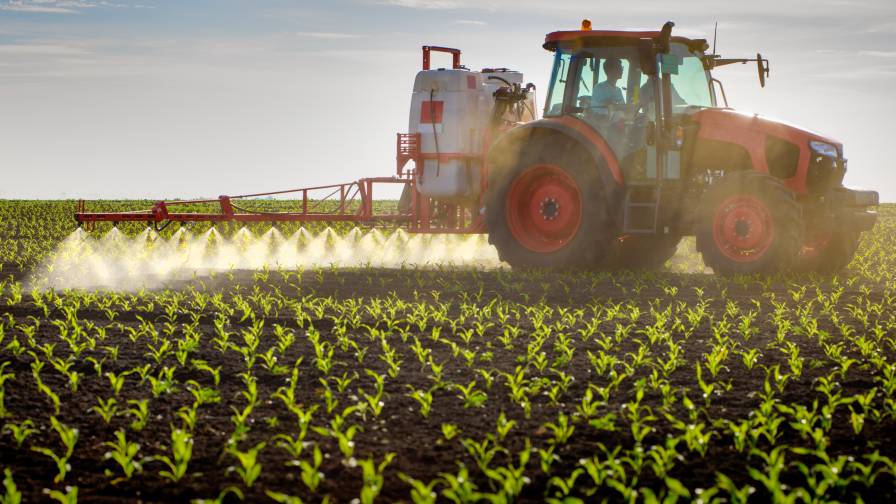
 Há uma aceleração na integração de produtos aos programas de tratamento oferecidos pelas empresas de proteção de cultivos. O setor entende que estratégias polarizadas, como a de biológicos versus a de proteção química, não ajudarão os produtores a obter sucesso diante dos desafios atuais.
No Matéria de capa de janeiro, Em um estudo onde líderes de associações de todo o mundo são entrevistados, o papel da integração fica evidente para alcançarmos práticas agrícolas sustentáveis.
Por exemplo, nesse artigo, Emily Rees, presidente e CEO da CropLife Internacional, disse: “Precisamos alimentar mais pessoas em menos terra e em condições mais extremas, o que exige um foco preciso na produtividade sustentável para garantir um futuro com segurança alimentar.”
Também no artigo, Yan Duanxiang, Diretor, Associação da Indústria de Proteção de Cultivos da China (CCPIA), destacou o surgimento da biotecnologia, nanotecnologia, processos verdes e controle inteligente: “Isso transformará os modelos de P&D e produção existentes, permitindo a criação e produção mais eficientes de novos pesticidas que atendam melhor aos requisitos de segurança e ambientais.”
Com o surgimento de novos produtos e o aumento do número de empresas que buscam oferecer um pacote de soluções em vez de um único produto, os governos precisam apoiar as empresas simplificando os processos de registro. Em 2025, vimos esse trabalho sendo realizado no Brasil e na União Europeia.

Além disso, as empresas devem garantir que os agricultores possuam o conhecimento necessário para tirar o máximo proveito das novas tecnologias. Os programas educacionais devem ser apoiados por governos e empresas, e devem fornecer suporte técnico aos produtores, para que possam aprender a aprimorar suas técnicas e processos agrícolas, tornando-os sustentáveis e rentáveis.
Em suma, muitos desenvolvimentos empolgantes estão acontecendo no setor. Como o novo Agronegócio Global Prezado Editor, estou ansioso para escrever sobre isso e ajudar a compartilhar informações sobre como podemos proteger tanto nosso abastecimento de alimentos quanto o meio ambiente para as próximas gerações.
Receba a Newsletter hoje mesmo!