Índice de preços da China: a fortuna vem depois das dificuldades
 1 de março de 2023
 De acordo com o Fundo Monetário Internacional (FMI)A economia da China deve se recuperar em 2023, à medida que a mobilidade e a atividade aumentam após a suspensão das restrições da pandemia, impulsionando a economia global.
De acordo com Reuters, O FMI havia elevado ligeiramente sua previsão de crescimento global para 2023 devido à demanda "surpreendentemente resiliente" nos Estados Unidos e na Europa, à redução dos custos de energia e à reabertura da economia chinesa após Pequim abandonar suas rígidas restrições contra a COVID-19. O FMI revisou acentuadamente para cima a previsão de crescimento da China para 2023, de 4,41% na previsão de outubro para 5,21% no terceiro trimestre, após as políticas de lockdown "zero COVID" em 2022 reduzirem drasticamente a taxa de crescimento da China para 31% no terceiro trimestre — um ritmo abaixo da média global pela primeira vez em mais de 40 anos.
No entanto, o FMI também mencionou que a China ainda enfrenta desafios econômicos significativos, incluindo a contração nos mercados imobiliários, o que continua sendo uma grande preocupação. Além disso, ainda há incerteza em torno da evolução do vírus. Ventos contrários de longo prazo ao crescimento incluem uma população em declínio e um crescimento lento da produtividade.
Apenas um dia antes de o FMI atualizar as previsões de crescimento econômico da China, o Gabinete de Informação do Conselho de Estado chinês realizou uma coletiva de imprensa (2 de fevereiro) para apresentar o funcionamento do comércio em 2022 e responder a perguntas de jornalistas. De acordo com o Ministério do Comércio, o maior desafio para 2022 foi a obstrução da cadeia de suprimentos e a falta de capacidade de conformidade. Para 2023, foram expressas preocupações com a fraca demanda externa e a queda nos pedidos, uma mudança significativa.
A contração no volume total do comércio global passou a influenciar significativamente as exportações chinesas a partir de agosto de 2022. De acordo com... Conferência das Nações Unidas sobre Comércio e Desenvolvimento (UNCTAD) A última atualização do Comércio Global, divulgada em 13 de dezembro, indica que o comércio global atingiu o recorde de 1.432 trilhões de dólares em 2022, com forte crescimento tanto em bens quanto em serviços. O comércio de bens cresceu 101.300 dólares em relação a 2021, atingindo um valor estimado de 1.425 trilhões de dólares, em parte devido ao aumento dos preços da energia.
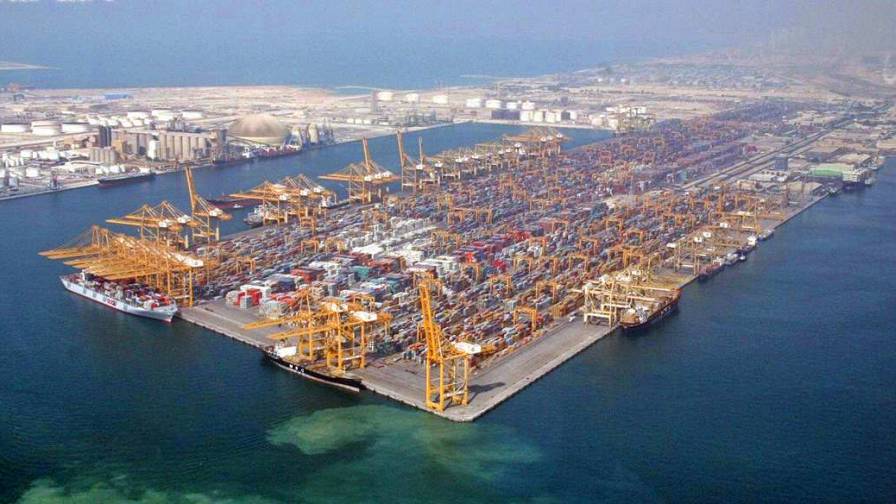



O comércio de serviços cresceu 151 trilhões de dólares, atingindo o recorde de 14 trilhões de dólares. No entanto, a desaceleração do comércio global, iniciada no segundo semestre do ano passado, deverá continuar a afetar a economia mundial até 2023, devido às tensões geopolíticas e à persistência de condições financeiras adversas. É seguro afirmar que o crescimento global atingirá um ponto de inflexão descendente, ou melhor, uma recessão, a partir de 2023.
Como um país com enorme capacidade produtiva, a estrutura econômica da China é caracterizada por uma “dupla orientação para importação e exportação”. Ou seja, matérias-primas como petróleo bruto, gás natural e outros recursos naturais precisam ser importadas de forma contínua e constante. Os produtos finais fabricados destinam-se principalmente ao mercado consumidor global. Essa estrutura econômica de “dupla direção” da China significa que sua indústria manufatureira é afetada até mesmo por pequenas flutuações nos mercados consumidores estrangeiros. Na economia global, os EUA e a Europa são cruciais para o crescimento da indústria manufatureira chinesa. Em 2022, as importações e exportações de mercadorias da China ultrapassaram a marca de 40 trilhões de yuans (5,97 trilhões de dólares), atingindo 42,1 trilhões de yuans (6,28 trilhões de dólares), um aumento de 7,71 trilhões de dólares. Em 2022, as exportações da China para os EUA, a UE e a ASEAN representaram 16,21 trilhões de libras esterlinas, 15,61 trilhões de libras esterlinas e 15,81 trilhões de libras esterlinas do total das exportações chinesas, respectivamente. A taxa de crescimento das exportações para os EUA, a UE e a ASEAN foi de 3,71 trilhões de libras esterlinas, 5,61 trilhões de libras esterlinas e 151 trilhões de libras esterlinas, respectivamente.
Entre os três principais parceiros comerciais da China, a ASEAN é uma economia orientada para importações e exportações, portanto, as exportações chinesas para a ASEAN também são influenciadas, em última análise, pelo mercado consumidor global. As fortes exportações para a ASEAN podem refletir a mudança das cadeias de suprimentos da China para centros de produção diversificados ao redor do mundo. As exportações chinesas no terceiro e quarto trimestres de 2022 foram significativamente menores do que no ano anterior devido à fraca demanda global e ao impacto do controle da pandemia de COVID-19 na produção e logística. Havia a expectativa de que a demanda por produtos chineses nos mercados estrangeiros melhorasse em 2022. Isso não aconteceu como esperado.
A fortuna vem depois das dificuldades.
A filosofia chinesa não acredita que as coisas boas serão sempre boas. Por outro lado, não acreditamos que as coisas ruins serão sempre ruins. O sol e a lua vêm e vão, e a noite eventualmente dará lugar ao amanhecer. É assim que os chineses tradicionais acreditam que o universo funciona.
A partir de janeiro de 2023, o PMI (Índice de Gerentes de Compras) da Caixin para o setor manufatureiro da China começou a se recuperar, um sinal de retomada do fornecimento chinês. A confiança dos investidores globais no fornecimento da China está sendo gradualmente restaurada, à medida que a sociedade chinesa retorna plenamente à normalidade na produção e na vida cotidiana.
Em 2023, os gerentes de compras globais irão reorientar suas estratégias de fornecimento para a "Entrega no Prazo". Altos estoques de segurança se tornarão coisa do passado. Pedidos dispersos e sensibilidade a preços serão problemas comuns para os gerentes de vendas de IA na China este ano. A baixa temporada para as vendas de glifosato retornará ao normal em 2023.
No mercado chinês de herbicidas para dessecação, o preço do ingrediente ativo do glifosato mantém uma tendência constante de queda. De outubro de 2022 até o presente, a redução mensal de preço de glifosato O ingrediente ativo 95% está em torno de 0,45 USD/kg. O ajuste da capacidade de produção de matéria-prima a montante, de acordo com a demanda final a jusante, apresenta uma defasagem. Somente após um período de demanda reduzida, a oferta de matéria-prima consegue ajustar sua capacidade a montante de forma adequada. A margem bruta da matéria-prima de glifosato diminuiu recentemente devido ao aumento do custo da matéria-prima.
A temporada de aplicação de outono no hemisfério sul está chegando ao fim, e há algum consumo de aplicação de campo. A extensão do esgotamento do estoque de produtos no canal precisa de mais investigação. Portanto, é improvável que clientes estrangeiros comprem IA de glifosato recém-produzido em larga escala no curto prazo.
Em março, a distribuição do produto no hemisfério norte será concluída. A estratégia de redução de estoques no hemisfério norte acaba de começar. Ciência de culturas da Bayer É provável que as estratégias das empresas de genéricos mudem de "preços de marca" para "preços baseados em valor" para estimular a redução dos estoques nos canais de distribuição. Além disso, a margem bruta do glifosato genérico sofrerá um impacto significativo durante a "temporada de consumo de estoques". Isso, por sua vez, reduzirá o preço do glifosato genérico. Em resumo, as vendas de glifosato produzido por empresas chinesas, o maior fornecedor mundial de glifosato genérico, serão menores do que em 2022. A taxa de operação continuará negativa, e esse fator atrasará a magnitude dos cortes de preço do glifosato.
A situação competitiva para glufosinato, O glufosinato, outro herbicida de dessecação muito importante, é bem mais difícil de controlar. Devido à capacidade adicionada pela Veyong no quarto trimestre de 2022 e ao possível aumento da capacidade no primeiro trimestre de 2023, os compradores geralmente esperam ver o desempenho dos preços do glufosinato após a entrada em operação dessa nova capacidade. Embora o aumento da capacidade de produção de glufosinato na China tenha afetado a firmeza de seus preços a longo prazo, o registro global da nova capacidade ainda leva algum tempo para ser concedido. Ainda há um longo caminho a percorrer desde o planejamento da estratégia de distribuição global até sua implementação prática. Uma guerra de preços maliciosa deve ser evitada por um período, provavelmente. Atualmente, a margem bruta do glufosinato é de cerca de 42%, e o produtor que consegue controlar as matérias-primas a montante e tem mais vantagens em custos de produção provavelmente será o último a se manter no mercado. No curto prazo, a oferta e a demanda são os fatores decisivos para o preço atual do glufosinato.
Em suma, 2023 verá excessos antes que o “novo equilíbrio” seja alcançado. Até que o novo equilíbrio de mercado chegue, a principal competência das equipes da cadeia de suprimentos é a “capacidade de timing”. Controlar custos não deve exigir que a equipe compre no ponto mais baixo dos preços das matérias-primas, mas sim que faça a escolha de menor risco, considerando uma avaliação dos riscos combinados do mercado de suprimentos. Ou seja, a equipe deve ser capaz de fazer a escolha que maximize o retorno da empresa, dado um certo nível de risco. É isso que eu chamo de “capacidade de timing”.”
Ao desenvolver estratégias globais, sempre gosto de pensar em termos de retornos de longo prazo. Isso nos dá uma perspectiva diferente sobre o desenvolvimento de uma região, um país, um povo e até mesmo uma pessoa. O pensamento de longo prazo dará a alguém uma sensação indizível de certeza. Ele permite que alguém gere sabedoria ao sustentar um profundo comprometimento em um campo. Assim, seu pensamento sistemático permite que ele preveja tendências futuras. Imortais com a capacidade de prever o futuro não existem, enquanto aqueles que têm a capacidade de escolher o momento certo e não seguem o fluxo certamente existem. Só precisamos esperar por um momento, um momento após as dificuldades.
Receba a Newsletter hoje mesmo!