Ásia em foco para 2026: Líderes de associações definem prioridades para proteção de cultivos e segurança alimentar.
 28 de janeiro de 2026
 Agronegócio Global entrevistado 27 association leaders from around the world about what they aim to do in 2026. This is part two of a series of articles offering insights into how associations and organizations are working to move the plant health and crop protection markets forward.
For this article, we look at five associations in Asia and their plans for 2026.

ÁSIA
Rahul Dhanuka
Presidente
Federação Agroquímica da Índia (ACFI)
For 2026, we want to strengthen domestic manufacturing for national food security. Another goal is to fuel rural prosperity by empowering farmers through knowledge and technology. ACFI’s mission is to ensure farmers have reliable knowledge of safe and judicious use; training on dosage, timing, and protective measures; and access to precision tools and modern crop protection technologies.

To promote sustainability in agriculture and support the agro-based industry, we will drive partnerships with governments, universities, extension systems, farmer associations, and nongovernment organizations.
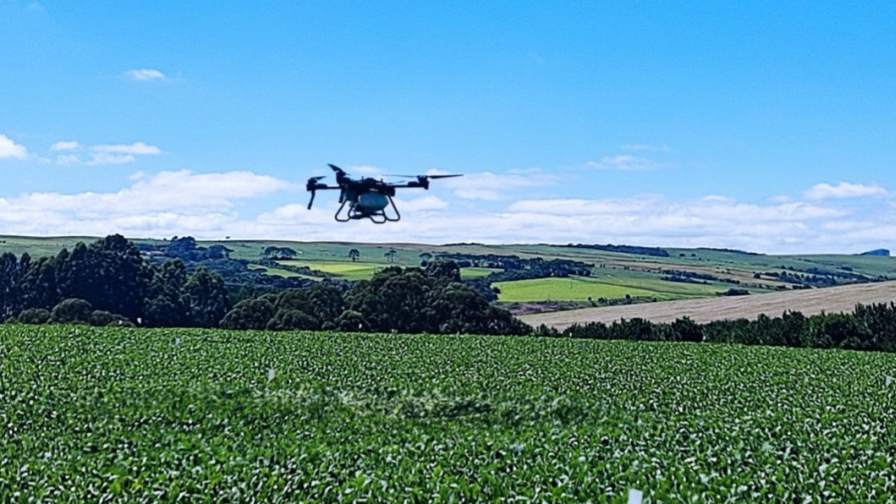
ACFI will scale nationwide farmer training programs, promote sustainable practices like IPM and resistance management, and support adoption of digital advisory and drone-based spraying. These efforts will help farmers improve yields, reduce risk, and safeguard both productivity and environmental health.
 Zhou Puguo
Presidente
Associação Chinesa de Desenvolvimento e Aplicação de Pesticidas (CAPDA)
CAPDA will facilitate the high-level global expansion of China’s pesticide industry. This involves supporting companies in transitioning from exporting products to exporting standards, brands, and services, including relocating production capacity overseas.
CAPDA will proactively assist government efforts to promote mutual recognition of pesticide registrations internationally. We will advocate for Chinese companies facing trade barriers like antidumping measures and help them safeguard their lawful rights. We will also be opening global markets through organizing trade fair participation, technical exchanges, and providing international registration services. Our goal is to enhance companies’ international competitiveness by offering training on global market strategy and cross-cultural communication. We also want to provide comprehensive, targeted support spanning R&D, marketing, branding, and standards alignment to empower Chinese firms to succeed globally.
We will address bridging the final implementation gap in ensuring the scientific and safe use of pesticides, through three focused actions: cracking down on illegal practices, assisting regulators in combating illicit activities like illegal adulteration by conducting spot checks and targeted investigations, and ensuring legal action is taken against violating producers and distributors.
We will regulate online pesticide sales, conducting a systematic survey of online pesticide retailing. We will identify producers and e-commerce platforms involved, assess compliance, guide users toward legal purchasing channels, and discourage a price-only mindset. We will advocate for establishing a negative-list system, press platforms for self-regulation, and enforce full traceability (source to end-user) and accountability for online sales.
For strengthening advisory services, we will enhance guidance on scientific and safe pesticide use. This includes helping companies establish demonstration programs, organizing field days in key production areas to showcase new active ingredients and formulations, and running targeted, multichannel extension campaigns. Our long-standing “Million Farmer Training on Scientific and Safe Pesticide Use” will continue, educating growers on proper product selection, precise application, and safety protocols.
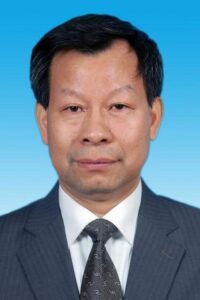 Yan Duan Xiang
Diretor
Associação da Indústria de Proteção de Cultivos da China (CCPIA)
The first goal is promoting green and sustainable development. In the context of global agricultural sustainability, one of CCPIA’s primary goals is to promote the R&D and promotion of green pesticides and environmentally friendly crop protection products. By supporting pesticide manufacturers in reducing environmental pollution and carbon emissions, promoting the development and application of new low-toxicity, low-residue pesticides and biopesticides, and advancing the application of biotechnology, CCPIA aims to facilitate the industry’s green transition. This aligns with the Chinese government’s “carbon peak and carbon neutrality” goals and will contribute to the long-term healthy development of the pesticide industry.
The second goal is strengthening communication of information and enhancing the security of supply and resilience of plant protection products. Through strengthened international cooperation and various means such as exhibitions, conferences, and exchanges, CCPIA aims to enhance understanding and communication regarding the production and demand of pesticide products globally, especially among key agricultural nations. This ensures that pesticide production capacity can meet global agricultural needs without significant information disparities on the supply side.
 Siang Hee Tan - Tradução
Diretor-executivo
CropLife Ásia
One of our top goals for 2026 and every year is leveraging the benefits of plant science to realize regional food systems that are more resilient, robust, and sustainable — nothing represents that better than the Sustainable Pesticides Management Framework (SPMF). This comprehensive initiative already up and running in Indonesia, Thailand, and Vietnam harmonizes pesticide regulations across diverse national systems, strengthens farmer education on responsible application practices, and establishes consistent safety standards. By promoting environmentally sound pesticide use while maintaining agricultural productivity, SPMF addresses both sustainability imperatives and food security needs across the varied farming landscapes in these countries.
Our second goal is ensuring the latest agricultural innovations are as accessible to our region’s smallholder farmers as possible. These growers, who produce the food we all depend on, form Asia’s agricultural backbone yet often lack access to transformative technologies. Connecting them with climate-smart solutions, precision agriculture tools, and modern crop protection products that build resilience, improve livelihoods, and ensure sustainable food production for Asia’s growing population is absolute critical. Growing the food that drives regional trade, food security, and farmer livelihood is a tall order. Our farmers deserve access to the tools and technologies that can help them with this increasingly tough assignment.
 Pradip Dave
Presidente
Associação de Fabricantes e Formuladores de Pesticidas da Índia (PMFAI)
One of our top priority’s this year is making India a major global sourcing hub for agrochemicals. To achieve this, a key focus for 2026 and beyond will be working to increase India’s exports to key markets, including the U.S., Brazil, Latin America, Southeast Asia, and Africa, where demand for affordable crop protection solutions is rapidly rising. As India is a major manufacturer and exporter of quality generic crop protection solutions, PMFAI remains optimistic about significantly increasing the country’s export market share.
A second goal is to address a significant domestic challenge, which remains to be the low consumption of crop protection products, which currently stands at just 0.65 kg per hectare compared to the global average of 2 kg per hectare. A major goal for the association, therefore, is educating farmers and increasing awareness among the farming community regarding the full benefits of using crop protection products.
The need for this awareness is underscored by the high rate of crop losses. Annually, pests eat away approximately one-fourth of the food produced by farmers in India. The total estimated crop losses due to pests and diseases range from 15% to 25% of the country’s total output, amounting to a staggering INR 1.48 lakh crores worth of crops annually.
Presently, only about 30% of the total agricultural area is covered by crop protection measures. Continuing efforts to bring more cropped land under the crop protection umbrella is another critical and important goal for PMFAI.
Explore how association leaders in other regions are shaping their priorities for 2026 in the rest of this global series.
Receba a Newsletter hoje mesmo!