Como a Seipasa e a Valent BioSciences estão moldando o próximo capítulo da inovação em bioestimulantes.
 23 de dezembro de 2025
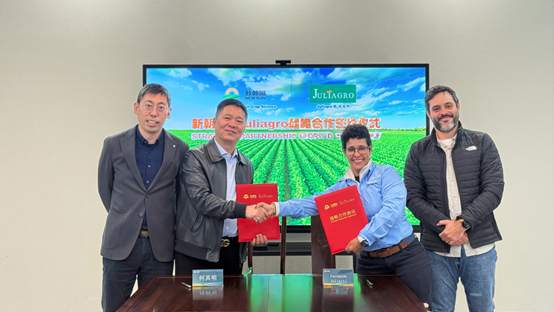
 Seipasa está fortalecendo sua posição no mercado de produtos biológicos dos EUA por meio de uma Nova parceria com a Valent BioSciences — uma medida que, segundo a empresa, marca um importante passo em sua estratégia de expansão global.
Em entrevista recente com AgriBusiness Global (ABG), José Ángel Talavera, Diretor Comercial da Seipasa, e Francisco Espinosa, Diretor de Pesquisa, discutem como a colaboração impulsiona a adoção de bioestimulantes, a ciência por trás da abordagem de precisão da Seipasa e as tendências regulatórias e de mercado que moldam o futuro do setor.
Eles também compartilham informações sobre diferenciação de produtos, incluindo o modo de ação metabólica por trás disso. Docesei, e explicar por que o alinhamento regulatório e o rigor científico serão essenciais para acelerar a confiança dos agricultores em soluções biológicas.
ABG: De que forma a parceria com a Valent BioSciences fortalece a estratégia da Seipasa para expandir a adoção de bioestimulantes no mercado americano?
José Ángel Talavera: Este acordo com a Valent BioSciences representa um marco significativo na expansão internacional da Seipasa, fortalecendo nossa presença no exigente mercado americano. Ele reforça nossa estratégia ao combinar nossa capacidade de inovação com a força de distribuição de uma líder global do setor.

Dentro do nosso plano estratégico atual, os bioestimulantes assumiram um papel central e estratégico, juntamente com o nosso portfólio de biocontrole. À medida que o mercado passa por uma rápida transformação, os bioestimulantes estão deixando de ser linhas de produtos secundárias para se tornarem um dos principais impulsionadores do nosso crescimento futuro. O nosso compromisso é evidente nos esforços concentrados da empresa para garantir o registro de bioestimulantes na Europa. Seizen é o primeiro dos nossos produtos a alcançar esse marco, e não será o último.
Parcerias deste calibre validam nossa tecnologia e nos permitem expandir globalmente, garantindo que nossas soluções alcancem e apoiem mais produtores em todo o mundo.
ABG: Como surgiu essa parceria? Que dicas você daria para outras empresas que desejam criar uma parceria semelhante?
JÁT: Essa colaboração surgiu após extensas discussões entre as duas equipes e uma clara identificação de sinergias estratégicas entre as empresas. O contato inicial remonta a 10 anos atrás, e há muito tempo nos consideramos organizações naturalmente alinhadas. Após inúmeras conversas, conferências, eventos e reuniões, tanto a Valent quanto a Seipasa reconheceram uma à outra como parceiras estratégicas que compartilham uma visão comum para a agricultura e suas necessidades mais urgentes.
Para a Valent, a Seipasa representa tecnologia natural respaldada por rigor científico. Para a Seipasa, a Valent sempre representou liderança, desenvolvimento e referência global. Um forte alinhamento de valores corporativos acelerou ainda mais a parceria.
Meu conselho para outras empresas é que busquem o crescimento sem sacrificar sua identidade. A Seipasa demonstra que é possível manter uma estratégia independente — como uma empresa privada, sem participação societária, classificada como 100% — e, ao mesmo tempo, formar alianças dessa magnitude. A chave é firmar acordos estratégicos que apoiem o crescimento do seu portfólio de soluções e possibilitem a entrada eficiente em novos mercados. É essencial escolher parceiros que expandam seu alcance, respeitando sua autonomia e modelo de negócios.
ABG: O que diferencia o Sweetsei de outros bioestimulantes atualmente utilizados na produção de culturas especiais, particularmente em termos de modo de ação e resultados mensuráveis?
Francisco Espinosa: O diferencial da Sweetsei reside na abordagem de P&D da Seipasa, que vai além da simples aplicação de matérias-primas comuns. A estratégia concentra-se na precisão metabólica — identificando as necessidades bioquímicas específicas da cultura em cada estágio fenológico.
Em vez de gastar energia para sintetizar os compostos necessários, a planta absorve os substratos metabólicos requeridos para uma determinada via metabólica. Isso economiza energia, que fica disponível para outras funções essenciais.
No caso do Sweetsei para maturação, o produto fornece uma alta quantidade de metionina, que auxilia diretamente na síntese de etileno. Isso permite que a planta conserve a energia que, de outra forma, utilizaria para produzir esses substratos, redirecionando-a para o desenvolvimento e a qualidade dos frutos. O resultado é um rigor científico comparável ao de uma substância ativa, maximizando os níveis de açúcar (graus Brix) e melhorando a uniformidade da colheita.
ABG: Com o aumento da demanda por insumos biológicos, qual o papel que a Seipasa considera que o alinhamento regulatório e a validação científica desempenharão na aceleração da aceitação do mercado?
JÁT: Acreditamos que os bioestimulantes serão cada vez mais comercializados com base na sofisticação técnica e no desempenho comprovado, e não apenas no preço — uma mudança em relação ao foco anterior do segmento. O preço ainda importa, mas está se tornando secundário em relação à eficácia e à eficiência. A lucratividade depende de ambos, e na Seipasa, definimos eficiência como o equilíbrio entre eficácia e lucratividade. Proporcionar essa eficiência aos produtores é uma de nossas principais prioridades.
Na Europa, o Regulamento (UE) 2019/1009 reflete essa transição, impulsionando o mercado em direção a soluções rigorosas e baseadas na inovação. No entanto, nossa experiência demonstra que o progresso científico muitas vezes avança muito mais rápido do que os processos regulatórios. Essa lacuna é especialmente evidente nos registros de biocontrole biológico, cujos requisitos são semelhantes aos das substâncias químicas ativas, resultando em longos atrasos. Os produtores acabam arcando com o custo, perdendo o acesso oportuno a ferramentas sustentáveis.
Nossas soluções não visam substituir produtos descontinuados — elas são fundamentalmente diferentes —, mas sim complementar as ferramentas existentes dentro de estratégias integradas e sustentáveis de proteção de cultivos. O uso combinado de insumos químicos e biológicos está moldando o novo paradigma do setor.
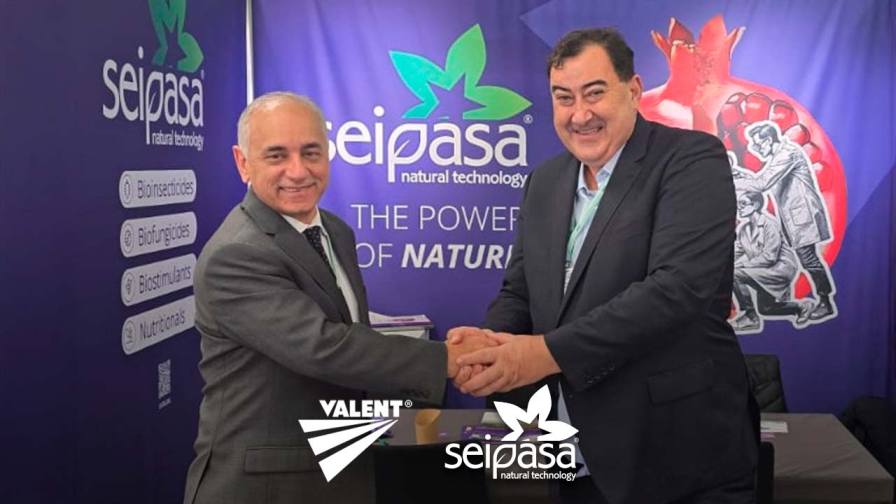
Salman Mir, presidente e CEO da Valent BioSciences, e Pedro Peleato, CEO da Seipasa.
Por esse motivo, o CEO da Seipasa, Pedro Peleato, está ajudando a liderar uma iniciativa em toda a Europa para estabelecer um quadro regulatório específico para produtos de biocontrole. Essa mudança é essencial para todo o setor, permitindo um acesso mais rápido ao mercado para soluções inovadoras e ambientalmente responsáveis, além de alinhar a regulamentação ao progresso científico e às necessidades da agricultura sustentável.
ABG: Quais são as principais tendências no uso global de bioestimulantes que estão moldando as prioridades de P&D da Seipasa?
FE: Uma das principais tendências que norteiam a pesquisa e o desenvolvimento da Seipasa é a busca pela especialização e precisão em detrimento de soluções amplas e generalistas. Isso exige uma abordagem metabólica — compreender o que a planta está produzindo e para onde está direcionando energia em cada etapa, da floração à frutificação e à maturação.
Em vez de depender de matérias-primas genéricas, direcionamos nossos esforços para vias metabólicas específicas, a fim de fornecer respostas precisas e eficazes. Essa estratégia garante que cada produto, desde agentes de biocontrole até bioestimulantes, atenda às necessidades exatas da cultura e eleva os bioestimulantes a um foco estratégico central para a empresa.
Receba a Newsletter hoje mesmo!