Nematoides: pragas ou protetores? Entendendo seu papel duplo na saúde das culturas.
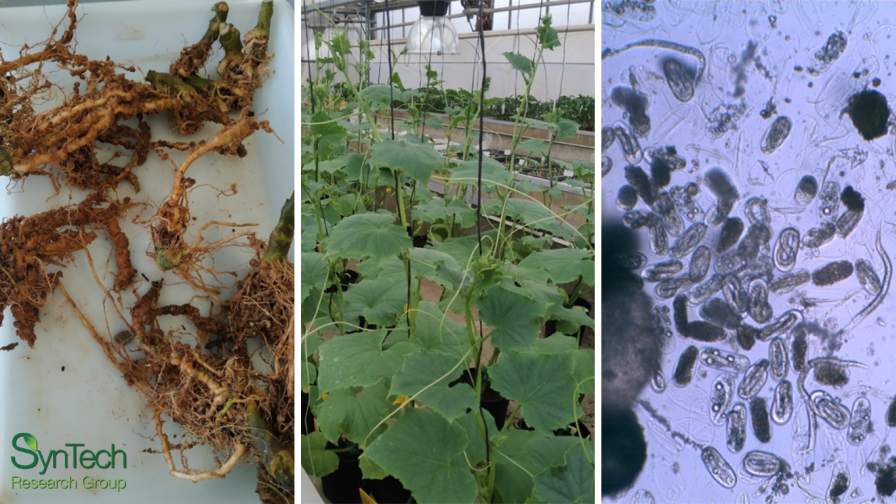
Os nematoides influenciam a saúde das culturas, atuando como pragas ocultas e aliados poderosos. Seu papel duplo os torna essenciais para qualquer pessoa comprometida com a produção agrícola sustentável. Crédito da foto: SynTech Research Group
Os nematoides estão entre os organismos mais influentes na agricultura: tanto como pragas destrutivas quanto como aliados valiosos. Seu papel duplo os torna essenciais para qualquer pessoa comprometida com a produção agrícola sustentável.
As Duas Faces dos Nematóides
Os nematóides são vermes cilíndricos microscópicos encontrados em praticamente todos os ecossistemas do solo. Algumas espécies, conhecidas como nematoides parasitas de plantas, Atacam as raízes, reduzindo a absorção de nutrientes e causando perdas significativas na produção. Essas pragas representam uma ameaça silenciosa, muitas vezes passando despercebidas até que os danos sejam severos.
Por outro lado, nematoides entomopatogênicos Atuam como agentes de controle biológico, combatendo pragas de insetos sem prejudicar as plantas. São um pilar do manejo sustentável de pragas, oferecendo uma alternativa sustentável aos pesticidas químicos.
Por que é importante entender os nematoides
Para produtores e fornecedores de tecnologia agrícola, distinguir entre nematoides nocivos e benéficos é crucial. O manejo inadequado pode levar a perdas na colheita ou à perda de oportunidades para o controle natural de pragas. É aqui que a expertise em triagem de nematoides e amostragem de solo se torna essencial.





Culturas que cultivamos
Vegetais
- Batatas – suscetíveis a Globodera spp. (nematóides do cisto da batata).
- Tomates – nematoides das galhas (Meloidogyne spp.) são comuns.
- Broadacre
- Soja – nematoide do cisto da soja (Heterodera glicinas).
- Milho (milho) – nematoides das lesões radiculares (Pratylenchus espécies).
- Beterraba sacarina – nematóide do cisto da beterraba (Heterodera schachtii).
- Cebola e alho Ditylenchus dipsaci
Frutas
- Frutas de caroço e pomóideas – Pratylenchus vulnus
- Nematóide cítrico – nematóide cítrico (Tylenchulus semipenetrans).
Na SynTech Research Group, somos especializados em:
- Triagem de nematoides para identificar precocemente espécies parasitas de plantas.
- Coleta e análise de amostras de solo para avaliar as populações de nematoides e a saúde do solo.
- Estudos de Manejo Integrado de Pragas (MIP) que incorporam nematoides juntamente com soluções químicas e microbianas.
Nematoides no MIP: Desafios e Oportunidades
A integração de nematoides em programas de MIP (Manejo Integrado de Pragas) não é isenta de desafios. A compatibilidade com outros métodos de controle, as condições ambientais e os fatores específicos da cultura influenciam o sucesso. As equipes de pesquisa da SynTech desenvolvem programas de manejo de pragas personalizados e realizam estudos de compatibilidade para garantir que os nematoides complementem as estratégias existentes.
Ao combinar controles biológicos, químicos e culturais, os programas de MIP (Manejo Integrado de Pragas) reduzem a dependência de pesticidas sintéticos, mantendo a produtividade das culturas. Os nematoides, tanto como pragas quanto como protetores, são fundamentais para essa abordagem.
Nossa rede global e protocolos padronizados nos permitem fornecer dados confiáveis em diversos agroclimas. Seja para triagem de nematoides ou validação da eficácia do controle biológico, a SynTech oferece informações práticas que ajudam os clientes a tomar decisões embasadas.
Receba a Newsletter hoje mesmo!