新的研发战略
 2023年七月1日
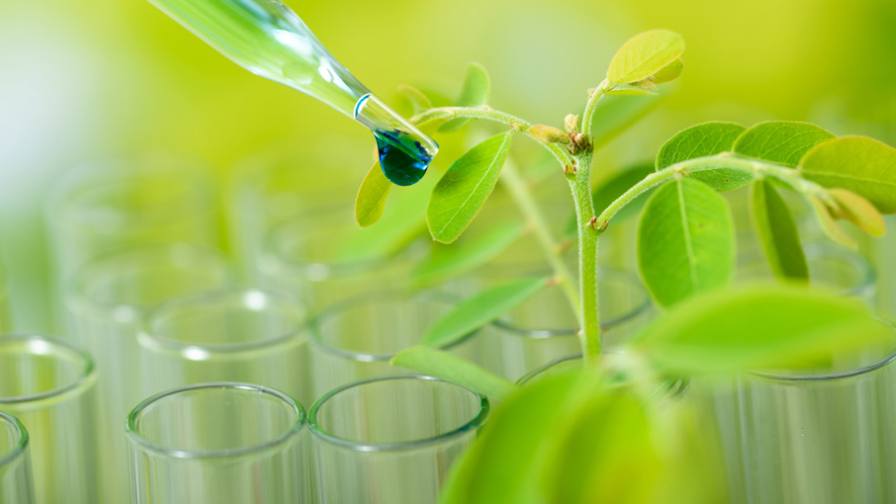
 通过并购和重新制定产品研发战略,先正达作物保护、巴斯夫、拜耳和科迪华农业科学正在应对政府举措、消费者购买趋势、全球可持续发展目标和精准农业技术引起的农业产业重组。
对于科迪华来说,该公司正在使其产品开发与联合国可持续发展目标 (UN SDG) 保持一致。科迪华创建了可持续创新标准,其中包括 12 个定义点,其指标重点关注作物保护或种子开发。
科迪华作物科学执行副总裁、首席技术和数字官 Sam Eathington 表示:“创新必须满足基准要求,并提供至少一项显着的可持续发展优势,同时与当今市场上的其他产品保持同等水平。”
“在整个产品开发过程中应用符合联合国可持续发展目标的可持续创新标准,使我们能够确保我们的产品不断提高标准,同时我们努力为农民提供领先的可持续解决方案。这使我们能够超越全球监管要求。 科迪华还拥有内部决策标准和流程,根据实验室和田间测试、预测论文和模型提供信息,在将产品指定为可持续创新之前需要实现这些标准和流程。”
该公司承诺,到 2025 年,其创新管道中的 100% 将满足其可持续创新标准。其 2022 年作物保护和种子领域的创新产品线已 100% 满足标准,从而取得了良好的开端。

“我们拥有世界一流的研发设备,具有行业领先的投资回报,创造科学和技术来帮助解决世界上某些最重大的挑战——包括粮食安全、气候变化和能源转型,”科迪华首席执行官查克·马格罗(Chuck Magro) 在五月份的研发创新日演讲中说道。
“我们的目标是到 2025 年将销售额的约 8% 投资于研发和创新,这相当于约 $4 亿的额外投资。”
对于先正达作物保护公司来说,可持续性是产品研发的驱动力。“我们全心全意致力于提供创新,帮助农民提高产量和可持续性地种植作物,减少农业对环境的影响,”作物保护全球负责人卡米拉·科西 (Camilla Corsi) 表示。“2023 年,我们将大步迈进,将我们的尖端解决方案推向全球更多市场。”
此类技术的一些例子包括Tinivion,其活性成分spiropidion可针对刺吸式害虫,同时对传粉媒介和其他有益昆虫保持安全。先正达的另一项重大投资是生产 Tymirium,它可以预防线虫和土传疾病,同时帮助保护土壤生物多样性和健康。对于该产品和其他产品,先正达增加了对其位于瑞士 Stein 的土壤健康中心的研发能力的投资。
2022年,巴斯夫在农业解决方案领域的研发支出为9.44亿欧元,约占该领域销售额的9%(2021年:9亿欧元)。
巴斯夫农业解决方案北美区研发总监 Padma Commuri 表示:“2023 年,我们将继续投资于高水平的农业创新研发。”
巴斯夫农业解决方案研发与监管总裁 Peter Eckes 博士在一份新闻声明中表示:“我们的产品线表明,我们不仅利用了我们在化学和环境科学方面深厚的专业知识,而且还将其与领先的生物技术和数字化方法相结合从而提供下一代解决方案。”
精准农业制剂
Multinationals are focusing R&D efforts to create products that work well with drones and other precision ag technology.BASF partnered with BOSCH to create One Smart Spray, which combines Bosch’s high-tech camera and sensor technology, software and image processing with agronomic intelligence of BASF’s xarvio to allow for a highly efficient and more sustainable use of herbicides.“We believe in the potential of new application technologies like smart spraying — such as BASF Bosch Smart Farming’s 一款智能喷雾 solution — or drones,” said Commuri.
“For example, BASF Agricultural Solutions started the 无人机农业倡议 aiming to give 8,000 farmers in Latin America access to drone technology within five years. These solutions allow for precise, targeted, and thereby more sustainable use of crop protection products, while saving farmers’ resources and further increase the safety of our products.”For Syngenta, the company monitors ag technology that growers are using to develop products that meet their needs.
“We recognize the tremendous potential that precision agriculture holds for farmers and agriculture,” Corsi said. “We constantly explore – and actively invest in – developing solutions that enable the precise application of our products, driving relevant research and development internally as well as collaborating with external partners to satisfy grower needs.”
Not all companies are investing in R&D for reformulating products for precision ag tech.“We believe that new spraying technologies, such as those with detect and respond capabilities, but also growing platforms like UAVs and robotics, will become valuable tools for a more precise and targeted application of crop protection products,” said Eathington. “These tools combined with more efficacious, lower use rate sustainable herbicides could transform the way farmers control weeds. Given the low use rates of many of the products in our portfolio, we believe our products are well positioned to be used in these emerging precision spraying systems.”
加强生物研发的伙伴关系
While R&D investments move toward making synthetic crop protection products more environmentally friendly, there is also a great focus on biologicals. BASF is investing in R&D for biologicals to keep up with the expanding biological pest and disease control sector.“The future for biologicals looks promising, and we expect the trend and demand for healthy and fresh food to grow faster and consumers to value natural products even more,” said Commuri.
“We see a great potential for growth when biologicals are getting into row crops such as corn or soy — not only as seed treatment, which is already widely used, but also as a soil and foliar application.”
In 2020, Bayer jump started its R&D for biologicals by inviting external partners to “plug in” their discoveries to its biological acceleration model.“We bring unparalleled product development expertise to our partners, allowing innovations to scale and develop with a global infrastructure backbone including field testing, formulation, product and supply support,” said Dr. Bob Reiter, Head of Research and Development, Crop Science for Bayer.Two years later, in August 2022, Bayer partnered with Ginkgo Bioworks to create Bayer Biologics, an R&D strategy to help identify biological products that advance nitrogen fixation, as well as crop protection and carbon sequestration.
“该交易包括剥离我们的西萨克拉门托生物制剂研发基地,以及我们的内部发现和先导优化平台,”Reiter 说。
“Joyn Bio, the joint venture created by Bayer and Ginkgo Bioworks in 2017, will be integrated into Ginkgo Bioworks. However, we retain the right to commercialize the technology to complement synthetic fertilizer use in the coming years.”In February, Bayer partnered with the Spanish company Kimitec, to develop crop protection products sourced from natural plant extracts through the company’s expertise in biostimulants, biopesticides, and the soil microbiome.
“The products and benefits that Kimitec’s partnership will bring to Bayer will help us to deliver products in line with the European Green Deal, while continuing to support global food security with safe, sustainable, effective products,” said Reiter.
对于科迪华而言,其最近收购了 Stoller 和 Symborg,增强了公司的研发能力。
“Farmers need new solutions to meet the changing food production demands, and we believe biologicals will be a significant part of that solution. The acquisition of Stoller and Symborg were key accelerators to our biologics strategy and catalyst to expand our R&D program,” said Eathington. “We approach biologicals as complementary to our crop protection business. Our goal is to utilize biologicals as another mechanism to address grower and consumer needs in the crop protection market.
立即获取时事通讯!