How Biological Products Are Redefining Crop Nutrition and Protection in India
 19 February 2026
 Indian agriculture is entering a period of renewed innovation. For many years, this sector was influenced by the Green Revolution, which depended heavily on synthetic fertilizers and chemical pesticides to quickly ensure food availability for a growing population. While effective in improving short-term yields, the prolonged increased use of synthetic inputs has disturbed the natural balance of the soil, resulting in declining soil health, reduced biological activity, and a gradual drop in long-term productivity.
Consequently, attention is now moving towards more balanced and sustainable farming practices that safeguard soil health while maintaining yields. From wheat fields in the north to the spice farms in the south, a new wave of farmers and scientists are advocating for ‘living soil’ biological products, including beneficial soil organisms such as bacteria and fungi. By integrating biological products into modern farming, India is developing an ecosystem that is productive, self-sustaining, and climate-resilient.
The Spark of Change: Towards Equilibrium
These changes are optimizing how different parts of India’s agricultural system adapt to evolving challenges. In the country’s agrarian heartland, there is a growing “soil consciousness” for the understanding of soil as a biologically active entity. This is because soil is rich in Soil Organic Carbon (SOC), the fuel that powers its fertility. SOC is a product of microbial activity; the more microbes in the soil, the higher the SOC. As a result of this activity, hydraulic conductivity, the soil’s ability to absorb and transmit water, and aeration are significantly higher in soil rich in SOC. On the other hand, when SOC levels are very low, the soil becomes compacted and less effective at processing nutrients. On a large scale, soil compaction can harm nutrient processing and retention.
India is well positioned to lead this change, backed by government policies like PM-PRANAM, which encourages states to promote the use of alternative nutrients and lessen reliance on chemical fertilizers. Private agricultural input companies are also playing a key role in raising awareness and promoting adoption through extensive farmer engagement programs, both in-person and online, making sustainable practices easier and more practical for farmers.
As India strengthens its position as a global food supplier, biological solutions are emerging as a game-changer for exporters. By enabling compliance with stringent zero-residue standards of international markets, biologicals help farmers deliver produce that is not only high-yielding but also clean, safe, and globally competitive.



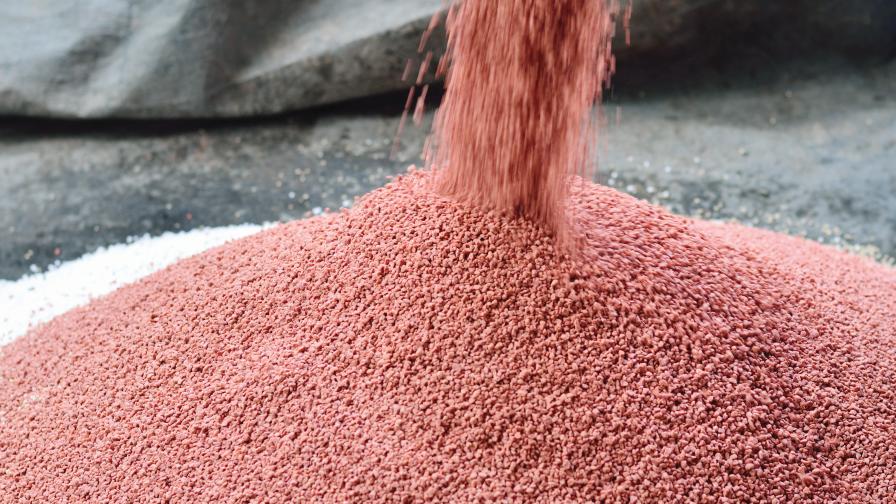
Unlocking the Treasure Under Our Feet
Under traditional farming models, feeding a plant was often seen as a simple transaction: apply fertilizer and the plant grows. Biologicals change this mindset from “adding” nutrients to “unlocking” Them. Many soils are often naturally rich in minerals like phosphorus and potassium, but these nutrients are frequently “locked” in a chemical form that plant roots simply cannot access.
This is where soil microbes like Azotobacter and Phosphate Solubilizing Bacteria come in, helping to bridge that gap by converting nutrients from the soil and atmosphere into plant-available forms. By layering Integrated Nutrient Management (INM) — a balance of biologicals and limited chemicals — farmers are achieving tremendous yields while genuinely restoring the “fluffiness” and overall condition of their farmland. Unlike purely synthetic models, which can acidify soil over time, this approach integrates microbial flora so the land becomes cumulatively more fertile season after season. Farmers are achieving higher yields while reducing 25-30% of fertilizer doses and cutting Greenhouse gas emissions from agriculture.
Enabling Crops to Build Their Own Defense Systems
The strategy for crop protection is changing from complete elimination to natural immunity. Instead of using harsh chemicals only after pests appear, biological crop protection is proactive. Helpful fungi, such as Trichoderma and Bacillus subtilis, act as protective “security” for plants.
Some biological agents compete with harmful pathogens for resources, while others initiate Induced Systemic Resistance (ISR), a process that primes a plant’s internal defenses and is analogous to a vaccine; it allows the plant to fight off infections on its own.
By adopting these measures, these methods help mitigate the risk of chemical residues on crops and prevent the development of “super-bugs” caused by the repeated use of traditional sprays. It is a comprehensive, preventive approach that utilizes the entire farm ecosystem.
The Journey Ahead
Every shift in agriculture involves a period of learning and adjustment. Biological products offer a modern, sophisticated approach to engaging with nature — these living solutions enhance crops internally instead of depending on external interventions. By utilizing beneficial microbes, they are crafted to function in synergy with the plant and soil ecosystem, providing sustainable and enduring advantages.
As their use expands across different agroclimatic regions, the industry continues to refine formulation science, innovate packaging, and develop temperature-stable delivery systems to ensure dependable performance under real farming conditions. At the same time, science-led farmer engagement and advisory programs are accelerating understanding of how biologicals function differently from conventional chemistries. Rather than delivering short-term, force-driven outcomes, biologicals initiate a gradual yet powerful biological response: improving root architecture, stimulating microbial activity, and building systemic plant resilience over time.
A Sustainable and Greener Tomorrow
This change signifies a move from farming focused on inputs to farming guided by intelligence, where productivity relies on balance rather than intensity. Through ongoing innovation, strong infrastructure, and enhanced education for farmers, biological solutions are set to be the foundation of agriculture prepared for the future — providing productivity that is profitable, sustainable, and long-lasting.
Get The Newsletter Today!