Constant Evolution
 20 June 2012
 Having just returned from our FCI Trade Summit in Accra, Ghana, I am reminded of how quickly companies can access remote markets. We welcomed more than 230 people from 16 countries in our first event in West Africa, and there was a groundswell of appreciation from local distributors.
Our events in East Africa and Southern Africa were met with similar enthusiasm, reinforcing FCI’s model to link buyers and sellers in emerging markets so farmers can access the technology they need to be sustainable – agronomically, economically and environmentally.
The world is getting smaller, and we must react to emerging trends to remain viable businesses. Transportation and communication technologies have made markets from the Ivory Coast to Ukraine more accessible than ever, and many companies are reaping the rewards with the ability to buy and sell crop inputs with new trading partners.
But successful companies do more than make contacts – they win contracts by proving they will support their products as they move through the value chain to the farm level. Companies are made of people, and people still do business with other people they trust. This is the prevailing reason the FCI Trade Summit was created: to help people understand new markets and the companies that operate there. In turn, distributors have a chance to vet options that make sense for the farmers in their communities.
The need to meet in person has never been more evident. Dozens of anecdotes from Africa tell a simple story of distributors who are eager to offer new technologies to their communities. Africa is grossly underserved, and much of sub-Saharan Africa lacks the formulation facilities required to take advantage of bulk technical-grade actives. They need fully formulated products, and they require business partners that will facilitate import, registrations and the transfer of knowledge necessary to make new technologies an efficacious staple to agronomic systems.
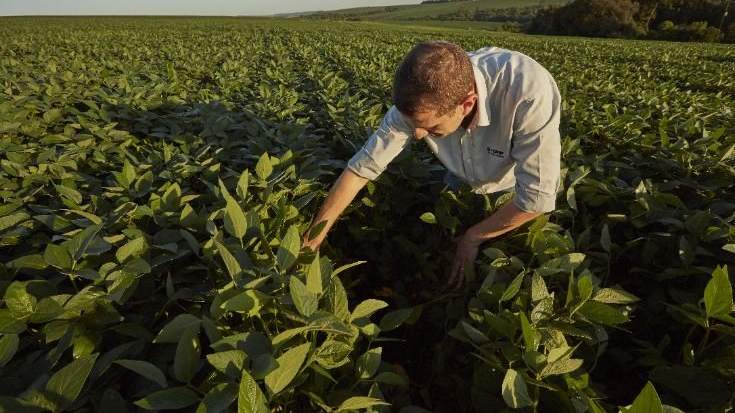


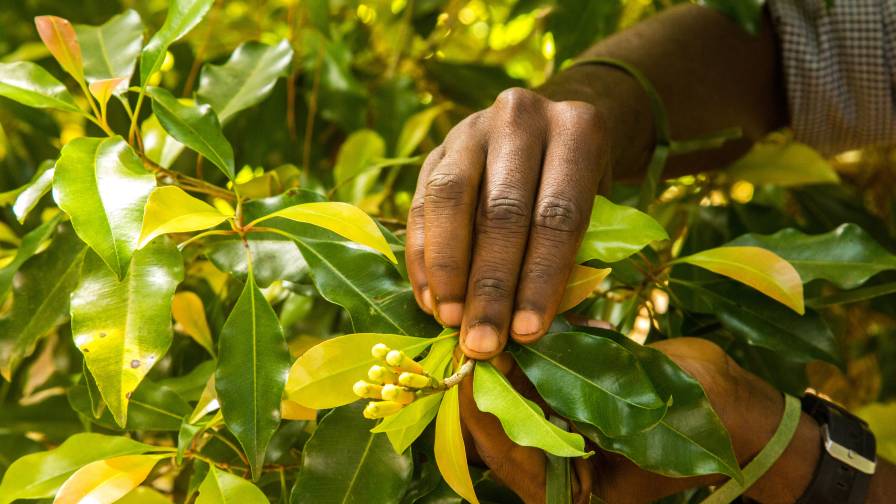
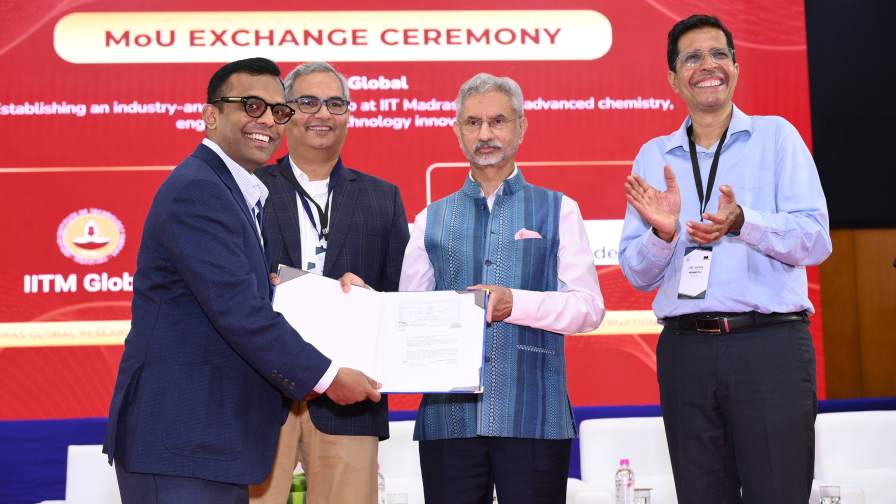
This issue highlights distributors that have successfully won the favor of their communities. The underlying theme of all these distributors is their ability to create demand for modern formulations that generate better returns for farmers. They offer as much in the way of high-quality consultations as they do products. The companies in this issue were awarded Environmental Respect Awards for their stewardship, and if you understand their business models, then you know they are generating better returns for their customers, too. Business is a two-way street. Your clients must prosper, or you will not.
As international standards are increasingly used to benchmark regulatory requirements, it is key that our industry begin to offer more advanced formulations to emerging markets.
It is an exciting time to be in agriculture. The requirements for food production are vast, and much of the burden lies in underserved markets – markets that are being accessed through the hard work of forward-looking companies.
We are witness to this reality playing out in Latin America. Fersol, Brazil’s methamidiphos king, announced more layoffs this month as it whittles away at its inventory cleared for sale. Other actives and companies will suffer the same fate as international standards continue to shape our business.
We are working to make the market more transparent. As we make final preparations for our FCI Trade Summit in Miami this August, the staff at FCI is excited about the opportunities in Latin America and the quality of companies coming from there. The world might be getter smaller, but we are working to ensure the opportunities are getting bigger.
Get The Newsletter Today!