Post-Patent Plant Protection Industry and Its (Underutilized) Role in Shielding Europe from External Shocks
 8 September 2025
 As the European Union (EU)’s relations with the United States (U.S.) continue to take new shifts and turns, with the recently agreed trade deal being emblematic of this, the political sentiment surrounding the post-patent plant protection industry also appears to be undergoing change.
A recent call by multiple EU Member States – including Austria, Croatia, Czechia, Estonia, Hungary, Ireland, Italy, Lithuania, Portugal and Slovakia – urging the European Commission to ensure access to plant protection products (PPPs) represents a pivotal moment in the context of change. We, the European Crop Care Association (ECCA), are particularly encouraged by the joint call’s recognition of our industry’s contribution to strengthening Europe’s agricultural competitiveness, helping farmers adapt to the impact of climate change, and being an essential part of Europe’s food production capabilities.
ECCA has long advocated for recognizing the critical, yet undervalued role that post-patent PPPs play, which, above all – strengthen European agriculture’s resilience in an increasingly volatile global environment. While strengthening farmers’ cost efficiency, the post-patent crop protection industry helps farmers maintain the sustainability of agricultural production, including niche crops, as it often provides the only available solutions for protecting these crops. Thanks to these capacities, Europe’s agricultural sector can ensure its competitiveness – while providing strategic resilience against economic shocks like trade tariffs.
However, our industry’s ability to shield the EU from these shocks today remains mostly underutilized. As a result of a fragmented and inconsistent interpretation and implementation of key EU regulation ruling crop protection products – the Reg (EU) 1107/2009 – at Commission and the Member State level, thousands of European farmers are unable to access affordable and effective post-patent PPPs. Not only does this system exacerbate regional inequalities across the EU, but most importantly, it leaves these regions especially exposed to bearing the biggest costs of potential crises ahead, whether that is climate-induced weather anomalies or international trade disputes.
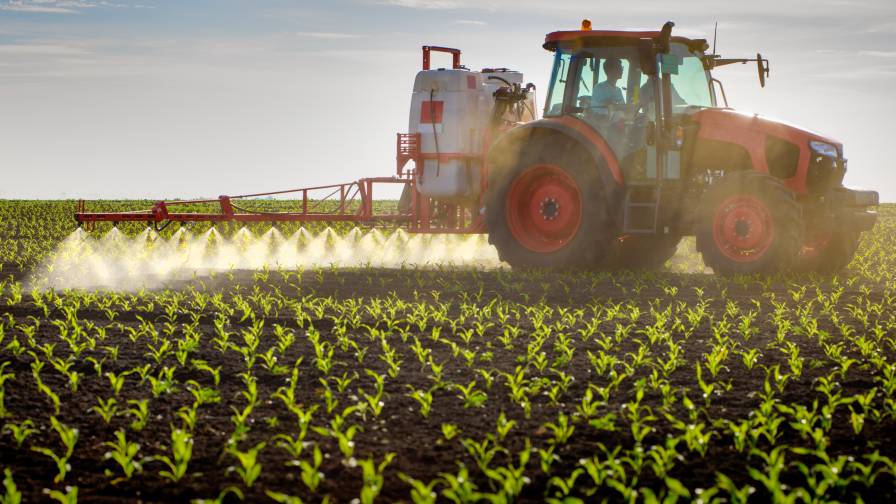



Due to the inefficiencies of the current regulatory system and miss interpretation/application of the legislator’s intentions, post-patent PPP companies are diverting significant resources just to maintain the authorizations, which could otherwise be invested in new innovative solutions, limiting capacity to strengthen operational resilience in areas like high value markets, climate change, or economic turbulence.
Earlier this year, the European Commission launched its plans to strengthen Europe’s competitiveness amid heightened external shocks, with simplification playing a central role in reaching this strategic objective. Targeted amendments to EU Regulation 1107/2009 are essential for simplifying the current regulatory framework for our industry – strengthening its efficiency and unlocking resources for resiliency-driven investments by post-patent PPP companies.
Considering today’s regulatory environment, it is thus no surprise why we perceive this movement from EU Member States, as well as the European Commission’s simplification agenda, as pivotal. With clearer recognition from EU policymakers of the essential role that post-patent PPPs play – and can play in the future, there is renewed optimism that EU-based farmers will soon benefit from a more streamlined, harmonized and fair authorization process for post-patent PPPs.
Yet, there is still a long way to go before we see true winds of change for our industry. The joint call to the European Commission was signed by 10 EU countries, representing nearly half of the continent under the EU flag. At the same time, we are still waiting for the remaining 17 countries to join their fellow EU Member States in recognizing our industry’s underutilized contribution to Europe’s resilience-building capacities.
As part of ECCA’s plans to step up efforts amid this positive momentum, we are organizing our inaugural Crop Protection Regulatory Conference, taking place between 16-17 September 2025 at the Sheraton Brussels Airport Hotel in Brussels, Belgium.
The conference will be the only platform in 2025 to bring together stakeholders from the post-patent PPP industry, EU policymakers, regulatory authorities and farmers under one roof, giving our industry a unique voice to highlight the urgent need for true change in today’s regulatory discourse in Brussels and elsewhere in Europe.
For AgriBusiness Global readers, receive a special 15% discount on non-member tickets for the Crop Protection Regulatory Conference, by entering the code: AGRI15
Get The Newsletter Today!