Ag Tech Talk Podcast: Rewiring How We Farm With MIT’s Michael Strano
 26 August 2025
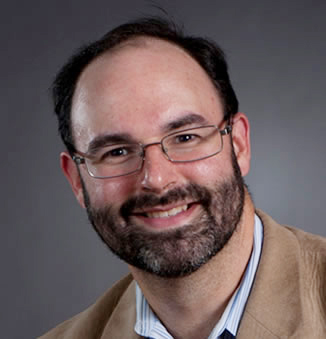
 In this episode of Ag Tech Talk by AgriBusiness Global, we’re joined by Michael Strano, Professor of Chemical Engineering at MIT and Co-Lead Principal Investigator at the Disruptive & Sustainable Technologies for Agricultural Precision (DiSTAP) interdisciplinary research group at the Singapore-MIT Alliance for Research & Technology (SMART), MIT’s research enterprise in Singapore. Strano shared how his team is pioneering real-time, non-invasive plant monitoring technologies that tap directly into the chemical “nervous system” of crops. He also explains how tools like nanosensors, AI, and controlled environment systems are reshaping how we understand and optimize plant growth. From hormone-based crop diagnostics to nanotechnology-powered fertilizers and CRISPR delivery, he explores the innovations needed to close the gap between food security and sustainability — and what it will take to bring these tools to farms around the world.


Podcast Transcript:
* This is an edited and partial transcript of this podcast.
Q: Can you tell me a bit about what role real-time, non-invasive plant monitoring will play in the future of precision agriculture?
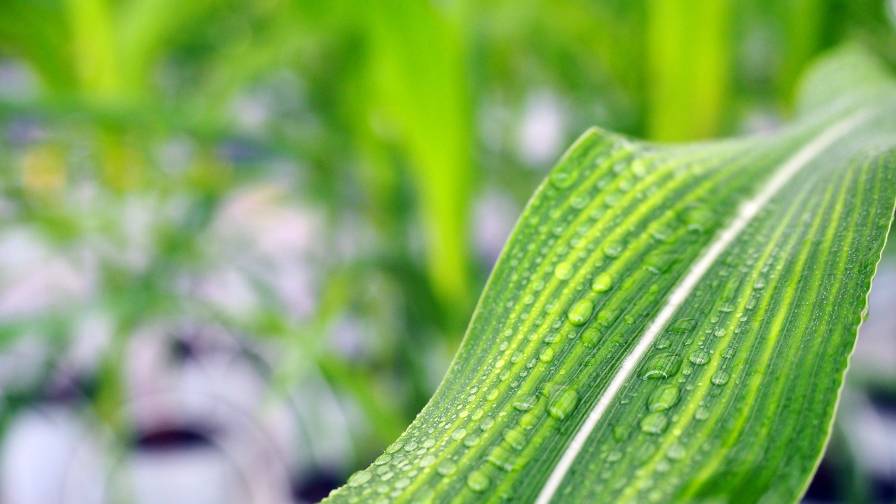


Michael Strano: Well, the dream that everyone has is to use real-time feedback directly from the plant. For example, is the plant actively growing? To determine that, you might monitor a hormone called auxin. Plants express auxin in gradients, and those gradients literally tell the plant which direction to grow. If we can tap into that, we can instantly understand whether a plant is healthy and wants to grow.
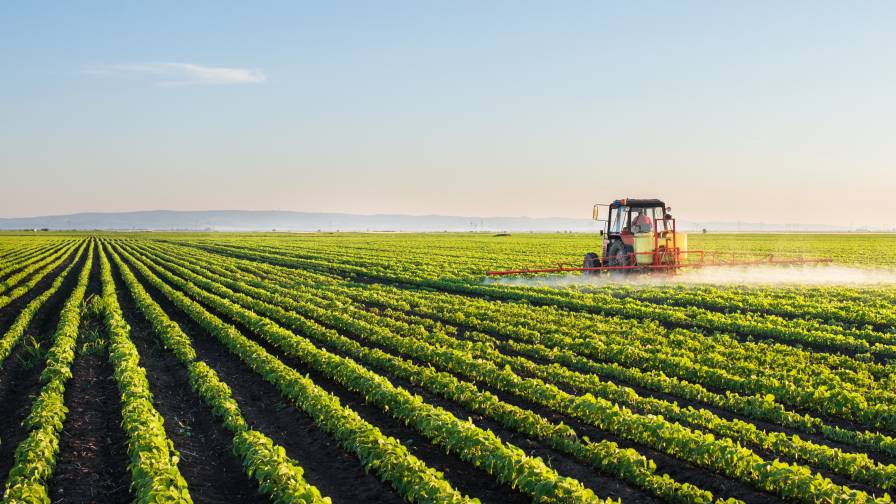
The ultimate vision is to place living crops in a controlled environment and then “tune the knobs”—things like the amount, color, and intensity of light, water, carbon dioxide, and soil nutrients. These are all variables we can optimize. And the idea is to use sensors to inform how to adjust those inputs in what’s known as a control loop.
There are a lot of advantages to this approach. Not only can you optimize growth, but you can do it across any seed or crop type. Imagine a farm with a very rapid harvest cycle, yielding multiple harvests per year.
You could drop in seeds from anywhere in the world—even different types of crops, like strawberries or leafy greens—and the environment would automatically adjust in real time to optimize growth and respond to disease or stress.
But to make that dream a reality, we need one critical thing: data fast enough—fast enough for at least a farmer to intervene, and eventually, for a computer or AI system to manage autonomously.
Get The Newsletter Today!