Top Three Mistakes Synthetic Crop Protection Companies Make Adding Biologicals to Portfolio
 13 August 2025
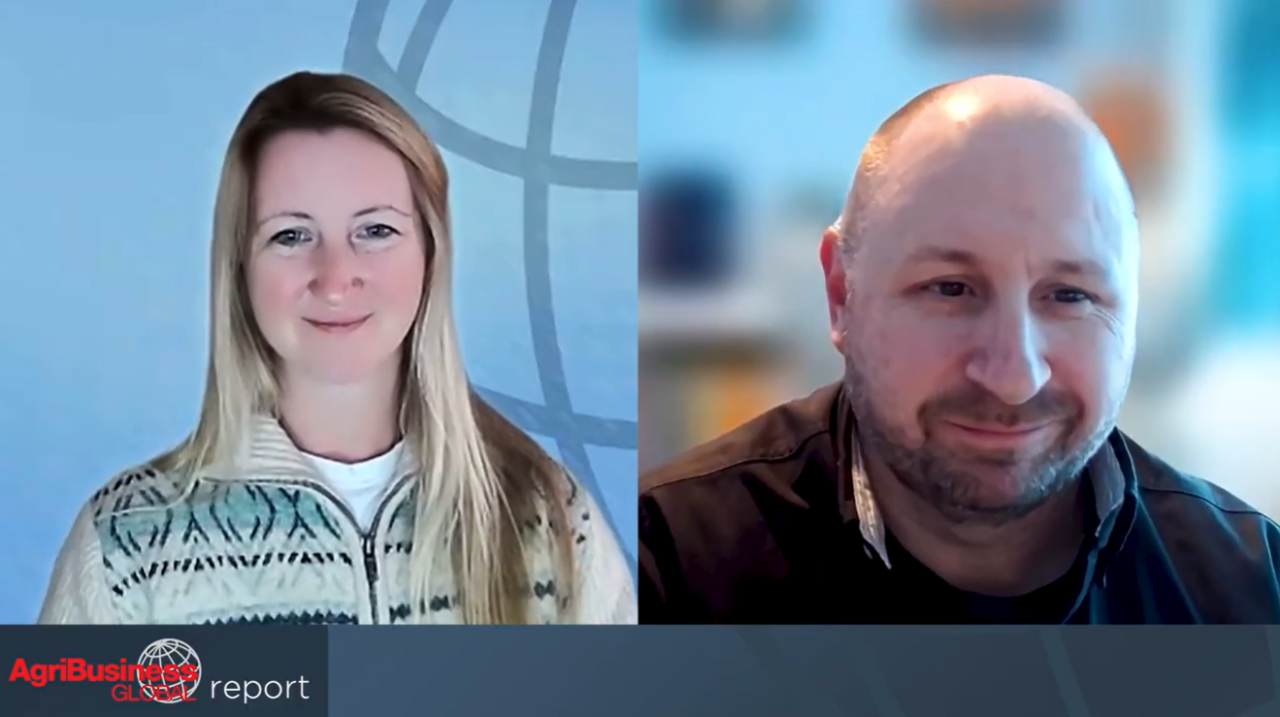
 At the recent AgriBusiness Global Trade Summit, Sebastian Bachem, Board Advisor to Accumont, closed out the afternoon sessions with his presentation, “Diversified Portfolios: Strategy, Regulation & the Road Ahead.”
Bachem discussed mistakes that some of the major conventional crop protection companies make when they acquire a biological product or company and try to bring it to market without adapting their strategy. Here are the top three pitfalls to be aware of when adding a biological product to your portfolio.
1. Not having an in-depth understanding of how the technology brings value to the grower.

Sebastian Bachem
“Companies often make two mistakes in this area,” says Bachem. “They test biocontrol products under very high disease or pest pressure, often with highly susceptible varieties, and conclude it does not work. This is an approach that in no way represents how the product would work on a farm. Or they do almost the opposite, and launch a product with far too few trials and fail to understand why the performance does not meet farmer’s expectations.”

Once a grower experiences a failed product, it won’t be likely they will try it again. The word-of-mouth marketing that works to promote profitability can also tarnish a new product’s reputation.
The lesson is to fully understand your product, with data showing its performance in real life, under typical of farm conditions, so it can be successfully launched to build your client base.
2. Working with the wrong distribution partners
“There are ag retailers that work with biological companies and do a great job, but many don’t have the time or the resources to give biological products the kind of stewardship they require to achieve their performance potential on farm,” says Bachem. “Sales targets are not met, because markets are more fragmented and require greater knowledge. Biologicals are successful when positioned as part of a wholistic program, not as a plug-and-play substitute for conventional products. A specialist distribution company can be great alternative. There are many in Europe and we see biological companies are investing in distribution because they understand that many ag retailers struggle to fit biologicals successfully into their portfolios.”
Working with the right distribution partners is key to selling your biological product. An important area is also the creation of educational material that you can give to the distributor to pass on to their sales team and growers purchasing your product.
3. Acquiring a biological company that doesn’t fit within your culture.
“You have to be careful how you bring a biological start up into your company. Many crop protection companies try to fully integrate the biological startup,” says Bachem. “The problem is the people who originally developed the biological startup will leave, and you are left with a product that your company doesn’t understand, in a process that does not fit.”
Companies making acquisitions should be very careful to understand the culture, the processes and the people that enabled creation of the innovation they are seeking to acquire. These three factors should be allowed to continue to flourish within the new organization.
Get The Newsletter Today!