Tier by Tier: How to Enter the U.S. Ag Chem Distribution Network
 25 November 2025
 Entering the U.S. agricultural chemical market is about more than developing a high-quality product — it requires a strategic approach to distribution. At the 2025 AgriBusiness Global Trade Summit in Orlando, FL, a panel discussion titled “Navigating Ag Chem Distribution in the U.S.” examined the complex landscape of U.S. ag chemical distribution and offered practical advice for suppliers seeking to enter the market. Among the panelists were Casey McDaniel, Vice President at Nutrien’s Loveland Products, and Jeff Pritchard, CEO of WestLink Ag Group, who shared perspectives on the first two tiers of distribution and the considerations suppliers must weigh to align with their business goals.
Tier One: National Distributors
Casey McDaniel emphasized that global players dominate Tier One distribution, providing both scale and technical expertise. “For those who aren’t familiar, Nutrien is probably best known for our fertilizer assets. We are the largest fertilizer and potash supplier in the world, and we rank in the top five for nitrogen and phosphate,” he said. Nutrien operates over 2,000 stores worldwide, with 1,400 in North America alone, supported by a team of more than 3,000 crop consultants who work directly with growers.
McDaniel stressed that Tier One distributors like Nutrien offer more than just reach — they provide a full suite of services.
“From a retail perspective, we hold about 22% market share in the U.S. Our sales team works closely with growers, supported by digital tools, seed sales, and grower financing. In short, we provide a full range of offerings for farmers,” he explained.
Suppliers looking to partner at this level need to be prepared to engage deeply with distributors. “Simply offering a price isn’t enough — we value the relationship and expect partners to understand the market and our expectations. Working with a distributor like Nutrien…means you must have your ducks in a row. They know the market better than anyone else, so there’s no room for missteps,” McDaniel noted.


Tier Two: Regional Buying Groups
Jeff Pritchard offered insight into Tier Two distribution, which is more regionally focused and typically organized around buying groups composed of independent retailers. WestLink Ag Group, for example, has 48 member companies across the U.S. and two in Canada, covering about 40 of the 48 contiguous states. “Our focus is primarily agronomy-first. Branding isn’t our priority; we focus more on post-patent technologies in the market rather than loyalties, bundling programs, or high-maintenance product lines,” Pritchard said.
Tier Two groups operate differently than national distributors. Suppliers must take an active role in building demand with individual members.
“Once a few major retailers adopt a product, it can expand through the organization as more members get involved. Suppliers need competent, capable people on the ground to drive demand, because we don’t act as their sales team,” he explained.
Financial considerations are also critical in Tier Two. Many member transactions involve large sums across chemicals, seed, fertilizer, and equipment. WestLink manages credit centrally to simplify dealings: members place orders with the group, which then pays suppliers, mitigating risk and streamlining operations.
Strategic Takeaways for Suppliers
Both panelists emphasized that distribution is as much about relationships as logistics. McDaniel highlighted the importance of trust and consistency: “Quality is our top priority. While price is important, partnering with reliable suppliers is critical, as we often procure inputs like glyphosate or clothianidin on a near-monthly basis. Consistency and trust are essential.”
Pritchard echoed this sentiment, noting the nuances of working with independent retailers.
“Relationships are a two-way street, and we aim for open space in the post-patent market while maintaining ethical standards. Supplier-imposed restrictions can limit access, so navigating these relationships carefully is key,” he said.
Suppliers entering the U.S. ag chemical market must evaluate where their products fit within the distribution tiers and design strategies accordingly. Tier One offers scale, technical support, and nationwide coverage, but demands preparedness and close alignment with distributor priorities. Tier Two provides regional flexibility and access to independent retailers, but requires active engagement, agronomic expertise, and localized marketing efforts.
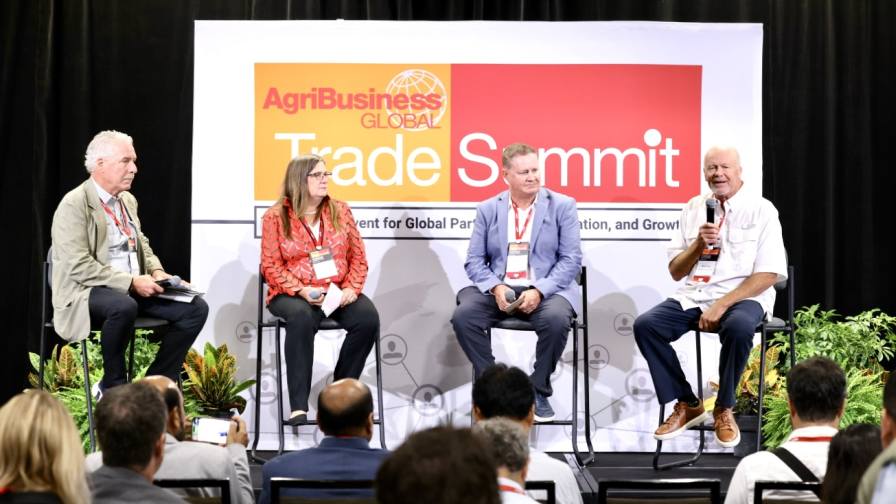
From left: Panelists included Jeff Pritchard, CEO of Westlink Ag Group; Casey McDaniel, Vice President at Loveland Products; and Amy Asmus, Owner and Vice President of Asmus Farm Supply, Inc. The session was moderated by Mike Snyder, President of Red Rocket Consulting.
For companies seeking long-term success in U.S. agriculture, understanding these distribution dynamics is critical. The insights from McDaniel and Pritchard underscore the reality that market entry is less about simply bringing a product to market and more about navigating relationships, understanding regional nuances, and aligning with the right distribution partners.
As McDaniel succinctly put it, “Working with a distributor like Nutrien…means you must have your ducks in a row.” Pritchard reinforced the lesson on the independent side: “Suppliers need competent, capable people on the ground to drive demand, because we don’t act as their sales team.” Together, these perspectives provide a roadmap for suppliers navigating the complexities of U.S. ag chemical distribution.
Get The Newsletter Today!