Sumitomo Biorational: Programas integrados y las tres empresas
 29 de julio de 2026
 Según la mayoría estimaciones del mercado citado por Revista CropLife®, Las ventas mundiales de productos biológicos agrícolas alcanzaron aproximadamente 17.000 millones de dólares a finales de 2025, mientras que el mercado estadounidense de productos biológicos agrícolas generó más de 3.500 millones de dólares en ingresos durante 2025. Entre ahora y 2030, se prevé que el mercado tenga una tasa de crecimiento anual compuesta de entre 81.000 y 131.000 millones de dólares.
Es esta curva de crecimiento proyectada la que Sumitomo Biorational espera sacar provecho de la unión de tres empresas.
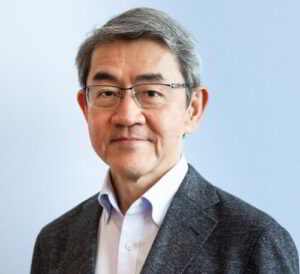
Dr. Shinsuke (Shin) Shojima, Presidente y Director Ejecutivo de SBC
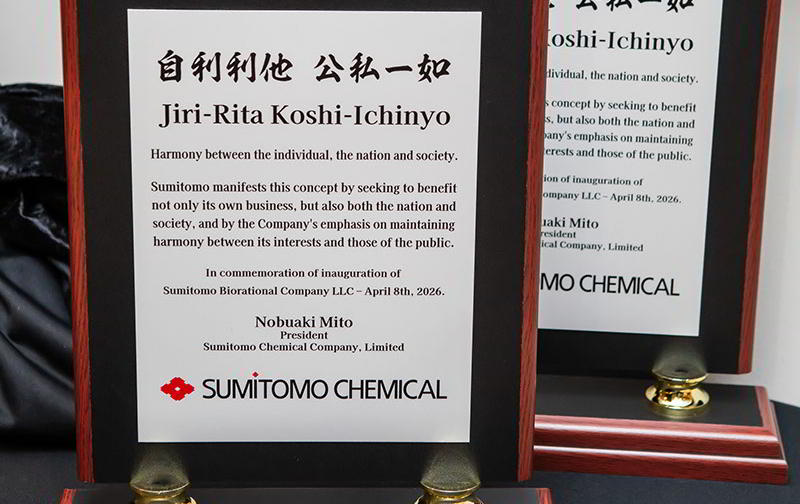
El 1 de abril, Sumitomo Biorational Co. LLC (SBC), una subsidiaria de Sumitomo Chemical Co. Ltd, comenzó sus operaciones. Con sede en Libertyville, IL, la nueva entidad reunió a Valent BioSciences LLC, MGK y Valent North America LLC para convertirse en Centro de Excelencia para la Innovación Biorracional de Sumitomo Chemical.
Valent Estados Unidos Continuará operando como una empresa independiente, responsable del desarrollo y la comercialización de soluciones convencionales, biorracionales y botánicas para la agricultura norteamericana.
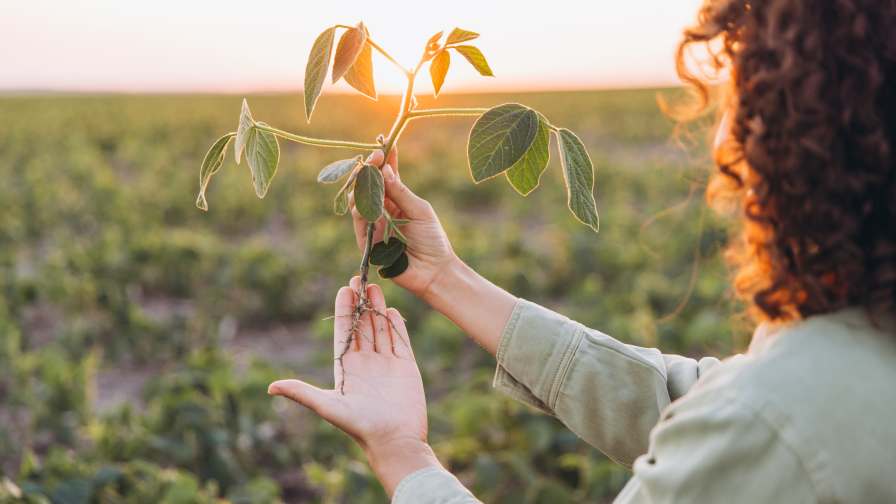
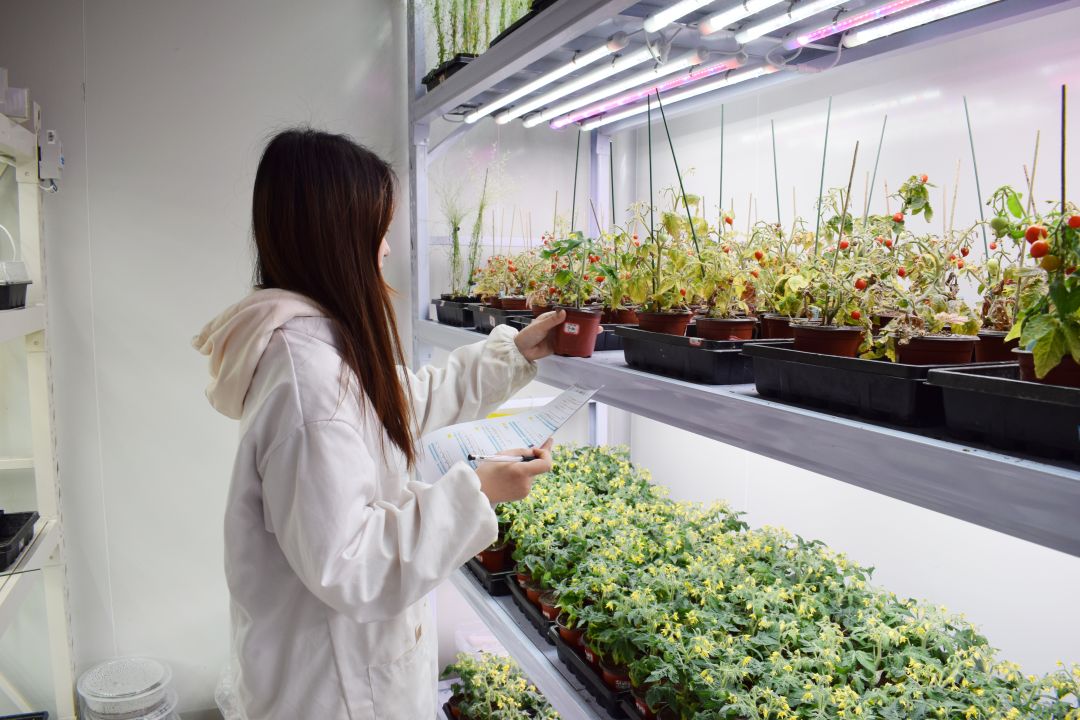

Según la página web de la empresa, SBC se dedica a "proporcionar soluciones biorracionales integradas y sostenibles derivadas de fuentes naturales como microorganismos y productos botánicos a clientes de todo el mundo".
“Sumitomo Chemical lleva décadas comprometida con los productos biorracionales y botánicos”, afirma el Dr. Shinsuke (Shin) Shojima, presidente y director ejecutivo de SBC. “Por lo tanto, para nosotros, se trata de un compromiso a largo plazo”.”
Según Matt Plitt, presidente y director ejecutivo de Valent USA, las capacidades integradas de la nueva empresa ofrecerán un sólido posicionamiento en el mercado de productos biológicos en Estados Unidos, Canadá y México.
“Una de las características únicas del sistema de Sumitomo Chemical es el acceso a la química convencional, junto con la química biorracional y botánica”, afirma Plitt. “Somos la única empresa global capaz de impulsar estas tres categorías de productos desde su descubrimiento hasta su comercialización en la actualidad”.”
En lo que respecta a la resistencia a las plagas, se demandan programas integrados de productos químicos sintéticos, productos biológicos y sanidad vegetal. Según los datos recopilados por Revista CropLife® en su anual Encuesta sobre productos biológicos para 2026, El uso de productos biológicos (98%) se realiza como complemento de los convencionales. Quienes utilizan este enfoque combinado afirman que ofrece diferentes modos de acción en los cultivos y puede proporcionar un control de plagas más completo.
Plitt prevé que esta tendencia no hará sino acentuarse en los próximos años.
“Sin duda, estamos viendo un enfoque integrado en todo el segmento de cultivos especializados”, afirma. “La próxima oportunidad será extender con éxito esa misma práctica al ámbito de los cultivos extensivos en Norteamérica”.”
Sin embargo, aún existen algunas barreras para la adopción de productos biológicos en Norteamérica. Según Plitt, esto se debe en particular a problemas históricos relacionados con la consistencia del rendimiento, la validación de datos y la confianza de los agricultores en productos anteriores que prometieron mucho y no cumplieron con las expectativas en los ensayos de campo.
Señala que las tasas de adopción en otros países, como Brasil, son un ejemplo de lo que podría suceder en Norteamérica. Según las estadísticas, Brasil lidera el mundo en el uso de productos biológicos agrícolas, con una tasa de adopción que supera los 601 TP3T entre los agricultores en aproximadamente 551 TP3T de las tierras cultivadas del país.
 Según él, solo mediante una investigación y un desarrollo más integrados, como los que puede ofrecer la creación de Sumitomo Biorational, el mercado estadounidense de productos biológicos podrá igualar las tasas de éxito de países como Brasil.
“Tiene que ser eficaz, tenemos que ser competitivos y tenemos que ofrecer al agricultor la rentabilidad adecuada”, afirma Plitt. “Cuando combinamos la ciencia con la oferta comercial, es ahí donde todo encaja para satisfacer realmente las necesidades del agricultor”.”
El suelo y el éxito
Además de aumentar la adopción de productos biológicos en Estados Unidos, Shojima, de SBC, también prevé que la salud del suelo sea un área potencial de crecimiento para la empresa recién formada.
“¿Cómo podemos mejorar el sistema del suelo? ¿Cómo podemos hacerlo muy sostenible y regenerativo? Hay muchísimas oportunidades y margen de mejora”, afirma Shojima.
Mientras tanto, Plitt afirma que las empresas se centrarán en la previsión estratégica en lugar de en una sola categoría de productos. En definitiva, señala que la demanda de productos biológicos y alternativos está cada vez más condicionada por la presión de los sectores posteriores de la cadena de valor para cultivar de forma más sostenible y respetuosa con el medio ambiente.
“Tenemos que encontrar la manera de adelantarnos tres, cinco o siete años”, afirma.
¡Obtenga el boletín hoy!