Syngenta y Groundwork BioAg se asocian para ofrecer a los agricultores soluciones innovadoras en productos biológicos y carbono del suelo.
Syngenta y BioAg de base Hoy se anunció una alianza estratégica para comercializar la tecnología micorrícica de Groundwork. Syngenta, líder mundial en protección biológica de cultivos, ofrece ahora una solución biológica que mejora el rendimiento de los cultivos, proporciona resistencia al estrés vegetal y, al mismo tiempo, mejora la salud del suelo mediante un programa de créditos de carbono, generando así una fuente de ingresos adicional para los agricultores.
En el marco de esta alianza, Syngenta comercializará productos a base de micorrizas y soluciones de carbono para el suelo bajo su propia marca. Esta innovadora oferta, centrada en el agricultor, se dirigirá inicialmente al maíz, la soja, los cereales y el girasol en Latinoamérica y Europa. Groundwork BioAg será responsable de la fabricación, el suministro, las herramientas digitales y el desarrollo completo del programa de carbono. Los agricultores se beneficiarán de una mayor absorción de nutrientes que se traduce en cosechas más abundantes y resistentes, al tiempo que obtienen una nueva fuente de ingresos a través de los créditos de carbono.
Petra Laux, Directora de Sostenibilidad del Grupo Syngenta, comenta: “El modelo que hemos desarrollado con Groundwork BioAg va más allá de la agricultura de carbono: fomenta la resiliencia, restaura la salud del suelo y acumula reservas de carbono a largo plazo a un ritmo extraordinario, al tiempo que genera créditos de carbono de los que los agricultores se benefician directamente. Consideramos que esta es una evolución natural de lo que pueden lograr los programas de carbono”.
Alon Werber, director ejecutivo de Groundwork BioAg: “Esta alianza valida comercialmente nuestra tecnología y se espera que genere una importante fuente de ingresos para los agricultores y Groundwork en los próximos años. Al combinar el acceso al mercado de Syngenta con nuestras capacidades comprobadas en el campo de las micorrizas, estamos posicionando a los hongos micorrícicos como un valioso insumo agronómico y una vía significativa para la mitigación del cambio climático en la agricultura a través de nuestro programa integral de carbono”.”
Emilhano Lima, Director Global de Semillas y Productos Biológicos: “Esta alianza refleja cómo los productos biológicos se están convirtiendo cada vez más en una parte fundamental de la agricultura. Las soluciones inspiradas en la naturaleza brindan a los agricultores herramientas eficaces y confiables, a la vez que proporcionan resultados agronómicos concretos”.”


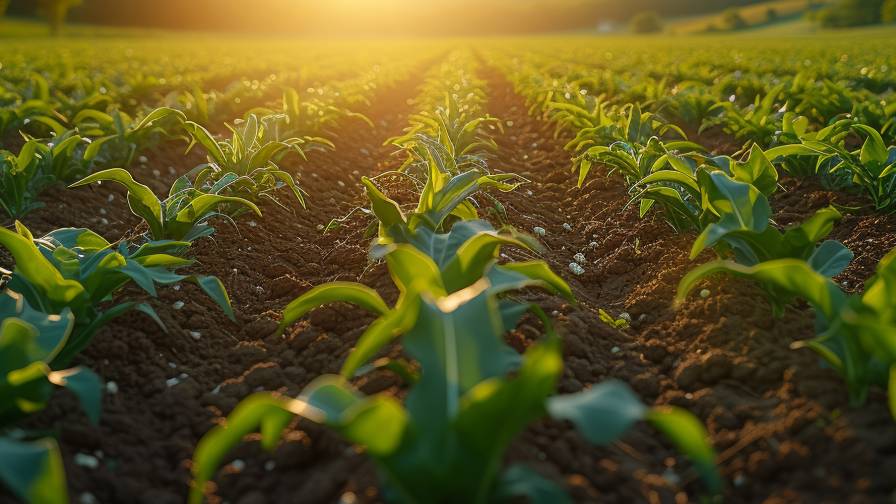
El secuestro de carbono en el suelo es el proceso mediante el cual el dióxido de carbono es extraído de la atmósfera por la fotosíntesis de las plantas y almacenado en el suelo a través de la actividad biológica.
Los hongos micorrícicos forman relaciones simbióticas con los sistemas radiculares de los cultivos, mejorando la absorción de nutrientes y agua y favoreciendo la salud del suelo a largo plazo. Además, estos hongos catalizan la formación de materia orgánica mineral duradera, lo que permite el almacenamiento de carbono a largo plazo.
Para los agricultores, los suelos que secuestran más carbono suelen ser más fértiles, retienen el agua de forma más eficaz y son más resistentes a la sequía y la erosión.
¡Obtenga el boletín hoy!