El mercado de CRO en Marruecos: 5 tendencias que están transformando la I+D agrícola en África.
Si bien Marruecos suele considerarse una puerta de entrada a África, su mercado agrícola interno está experimentando una profunda transformación. A medida que el país avanza hacia sus objetivos de la iniciativa “Generación Verde 2020-2030”, el papel de las organizaciones de investigación por contrato (CRO, por sus siglas en inglés) evoluciona, pasando de simples ensayos de campo a alianzas estratégicas. A continuación, presentamos cinco novedades clave que están reconfigurando el panorama de las CRO en Marruecos.
1. Armonización normativa y gestión de expedientes complejos
El organismo regulador marroquí, ONSSA, ha elevado significativamente los requisitos para el registro de productos. Se observa una clara tendencia a armonizar los requisitos locales con las normas internacionales, como el Reglamento (UE) 1107/2009. Ahora, las CRO (Organizaciones de Investigación por Contrato) deben proporcionar información regulatoria de alto nivel para ayudar a sus clientes a comprender las listas en constante evolución de sustancias activas autorizadas y los estrictos límites locales de residuos.
2. Profesionalización y estándares globales
Existe una creciente brecha entre los análisis tradicionales y los servicios de CRO profesionalizados. Para satisfacer las exigencias de los gigantes agroquímicos mundiales, las CRO marroquíes deben operar bajo estrictas Buenas Prácticas Experimentales y Buenas Prácticas de Laboratorio. Las CRO modernas han implementado Sistemas de Gestión de Calidad internos para garantizar que cada ensayo realizado en regiones como Meknès o Souss sea auditable y defendible ante los comités reguladores internacionales.
3. El auge de los bioestimulantes y el biocontrol.
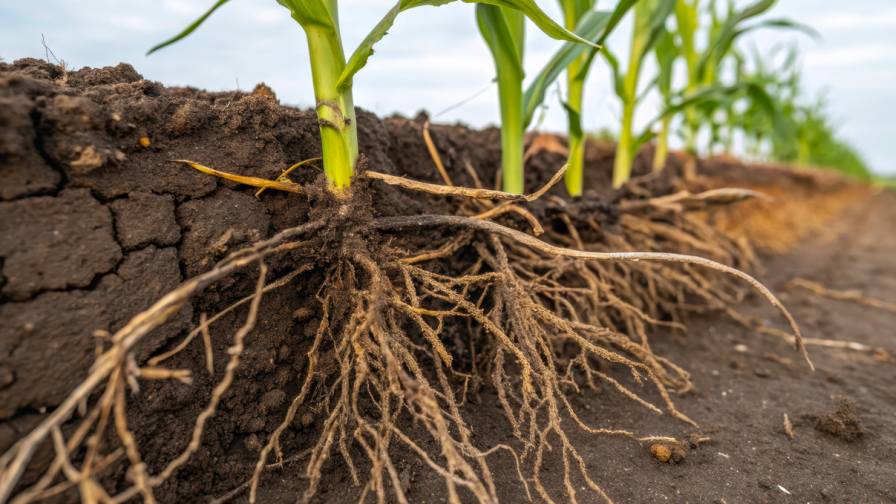
La sostenibilidad es fundamental para la estrategia nacional “Generación Verde”. Esto ha generado una gran demanda de pruebas de productos biológicos y alternativas a la química convencional. A diferencia de los pesticidas estándar, la eficacia de los bioestimulantes es muy sensible a las condiciones climáticas y del suelo únicas de Marruecos. Las CRO están adaptando protocolos para medir mucho más que la simple tasa de eliminación de plagas. Ahora se centran en la salud del suelo, el desarrollo de las raíces y, sobre todo, la resiliencia climática (como la tolerancia al estrés hídrico).
4. Digitalización y fiabilidad de los datos
Si bien el uso de equipos pesados como drones se emplea a menudo en demostraciones de marketing, la verdadera revolución en las CRO marroquíes se está produciendo en la gestión digital de datos. El sector está dejando atrás las notas de campo tradicionales en papel para adoptar la recopilación digital de datos (captura electrónica de datos). Este cambio digital garantiza un registro de auditoría impecable y permite la generación de informes casi en tiempo real durante las fases de desarrollo. Esta transparencia es crucial para las empresas que necesitan validar sus inversiones en I+D con datos de alta precisión.

5. Marruecos como centro de I+D para África
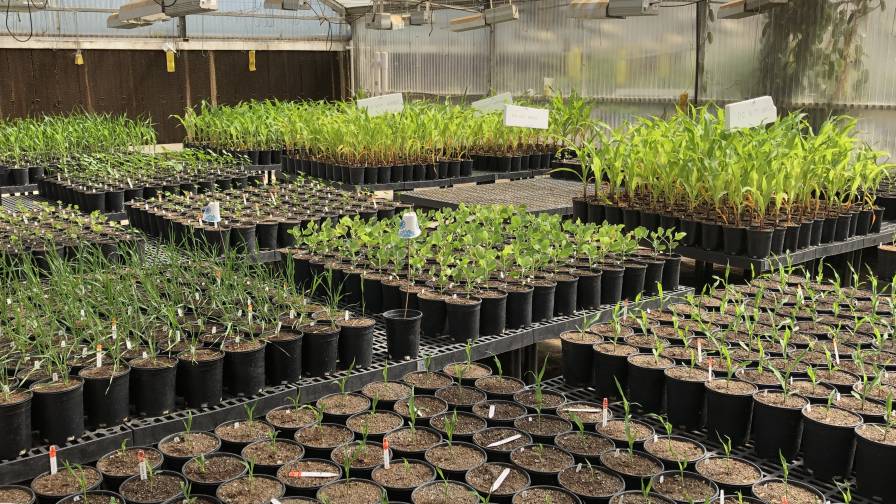
Gracias a su clima diverso, que abarca desde zonas áridas hasta llanuras irrigadas, Marruecos se ha convertido en el principal campo de pruebas para la cuenca mediterránea y el continente africano. Las empresas globales utilizan cada vez más Marruecos como zona piloto. El éxito obtenido aquí suele servir de referencia para posteriores registros en toda África, aprovechando la infraestructura agrícola estable y profesional de Marruecos.
¡Obtenga el boletín hoy!