Opportunities and Challenges in the European Plant Protection Market
The European plant protection market is currently undergoing a significant transformation, balancing its historical status as a global agricultural leader with some of the world’s most stringent regulatory environments. Here is an overview of the current state of the market and the strategic shift toward biologicals.
Europe remains a critical hub for global agriculture, historically ranking within the top three regions for the consumption of agrochemicals, fertilizers, and biocontrol products.
However, recent data indicates a decline in pesticide sales volume across the EU, dropping from approximately 360,000 tonnes in 2011 to under 300,000 tonnes by 2023. Despite this drop in volume, the market’s overall value has remained relatively stable.
Key market data:
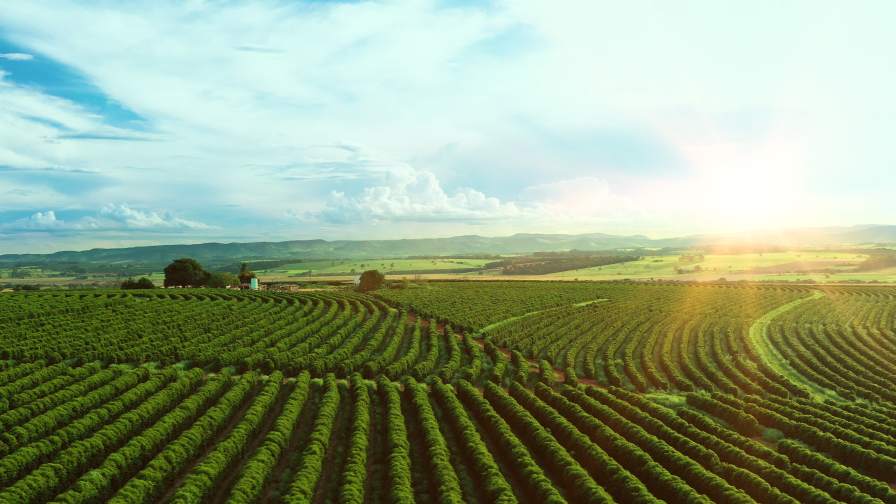
- Total agricultural surface: the EU-28 encompasses over 174 million hectares of agricultural land.
- Top producers: France leads the region with 15.9% of the total surface, followed by Spain (13.4%), the United Kingdom (9.8%), and Germany (9.6%).
- Dominant crops: cereals are the primary crop, covering 48.2 million hectares, though this is a decrease from 56.7 million in 2012. Conversely, pulses and sunflowers have seen notable growth in the area.
The Biologicals Revolution: Shifting Mindsets and Portfolios
A defining trend in the European market is the rapid evolution toward a new generation of plant protection products, including biocontrol, biostimulants, and other biosourced materials. This shift is driven by both regulatory pressure and a changing consumer mentality that favors “eating fewer chemicals.”

For the first time in EU history, the number of applications for new active biological substances has surpassed traditional chemical substances. Over the last five years, there have been 35 biological active substance applications compared to 20 conventionals. This trend has led traditional agrochemical companies to invest heavily in biological portfolios to appear greener and support the sales of their existing chemical products.
Get The Newsletter Today!