India’s Crop Protection Sector Enters a Smart and Sustainable Future
 4 December 2025
Renee Targos interviews Rajesh Kumar Agarwal, Managing Director at Krishi Rasayan, during the AgriBusiness Global LIVE! India Update.
India’s agriculture sector is entering a transformative era. With Commerce Secretary Sunil Barthwal projecting that agricultural exports will double to $100 billion by 2030, stakeholders across the value chain are rethinking how to boost productivity, sustainability, and market competitiveness. During AgriBusiness Global LIVE!’s “Inside India: Trends, Tech & Beyond” session at the 2025 Trade Summit, Rajesh Kumar Agarwal, Managing Director of Krishi Rasayan Exports Pvt. Ltd., offered an in-depth look at the trends reshaping India’s crop protection market—from herbicide growth to the rise of biologicals and smart farming technologies.
Integrated Crop Protection Gains Ground
India’s crop protection industry has evolved dramatically over the past decade, driven by changing farm practices, rising labor costs, and the pursuit of more sustainable solutions. According to Agarwal, “Farmers are moving toward integrated pest solutions, combining both chemical and biological products. It’s not that chemical sales are going down, but rather that farmers are using a combination of both.”
This shift reflects a growing emphasis on balanced pest management strategies, as growers seek to reduce environmental impact without compromising yields. The domestic agrochemical market currently stands at $4.5 to $5 billion, making India the fifth-largest consumer of agrochemicals globally. At the same time, the country has emerged as the second-largest exporter of agrochemicals worldwide — underscoring its importance in the global supply chain.
The Rise of Herbicides in a Changing Labor Landscape
One of the most notable trends in India’s crop protection market is the rapid growth of herbicides. Historically, Indian farmers relied more heavily on insecticides and fungicides. However, labor shortages and increasing rural wage costs are accelerating herbicide adoption.

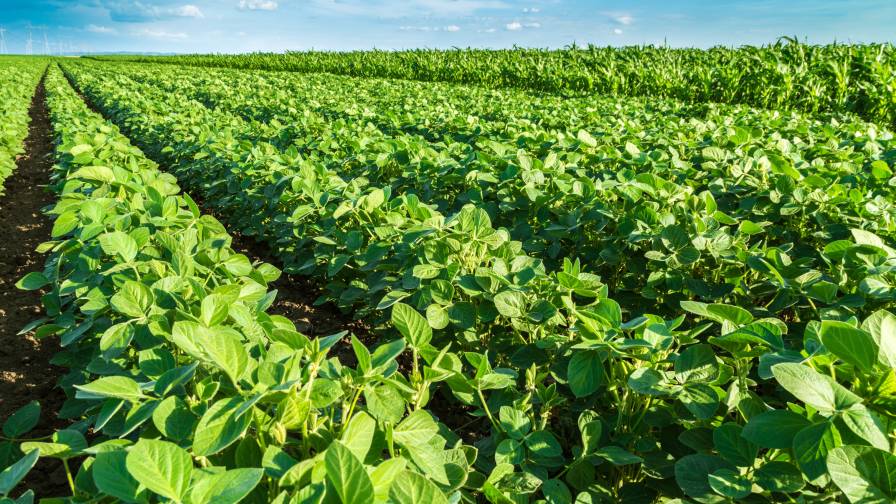



“India is becoming a major consumer of herbicides, which wasn’t the case earlier,” Agarwal explained. “Because of our tropical climate, the use of pesticides and fungicides is slightly declining, while herbicide consumption is rising.”
Herbicides now represent roughly 20%-22% of the total agrochemical market, up from around 10% a decade ago. “Herbicides have a big future,” Agarwal said. “Labor is costly, and manpower is limited, so mechanization and herbicide use are helping fill that gap.”
Biostimulants: From Yield Boosters to Soil Health Solutions
Another major development in Indian agriculture is the rapid adoption of biological products, especially biostimulants. Regulatory reforms and growing awareness among farmers have fueled this trend.
“Biostimulants have just started gaining traction in India — it’s not a saturated market,” Agarwal said. “Farmers are recognizing the benefits. They’re no longer viewing them as just yield boosters but as products that improve soil health, enhance plant resilience, and reduce environmental impact.”
A surge of global companies — from Europe, the U.S., and Asia — are entering the Indian market with biostimulant portfolios. This competition, Agarwal noted, is fostering innovation: “Because of competition, we’re seeing more research, new formulations, and crop-specific solutions. With changing climate conditions, biostimulants are helping plants improve resilience to drought and stress while enhancing nutrient uptake.”
However, Agarwal cautioned that success in the biostimulant market requires patience and long-term investment. “It’s a concept-based sell, not like conventional agrochemicals,” he said. “Companies entering India must invest in R&D and farmer education. They need to build awareness about how and why these products work.”
Farmer Education: The Key to Sustainable Adoption
As India’s agri-input landscape becomes more diversified, farmer education remains a critical success factor. Many growers are still learning how to integrate biologicals into existing pest management practices.
“You need to invest in farmer education,” Agarwal emphasized. “Biostimulants are not like traditional chemicals where everyone has the same formulation. Each product performs differently. Companies must invest in education and in developing crop-specific solutions.”
He views biostimulants as part of a broader movement toward sustainable agriculture, one that aligns with India’s national goals of boosting productivity while protecting natural resources. “Companies need to invest now and stay patient. This is a long-term strategy,” he added.
AgTech and the Smart Farm Revolution
Beyond crop inputs, agtech is beginning to transform how Indian farmers operate. From drones to precision tools, technology is making farming smarter and more efficient.
“Indian farmers are open to adopting new technologies,” Agarwal said. “Everyone wants to have a smart farm. They’re ready to use innovations that improve productivity or reduce costs.”
He pointed to drone spraying as one of the fastest-growing applications. “The government has enacted policies to promote drone use and is even providing drones in villages for spraying agrochemicals,” he noted. “Using drones reduces spraying costs, chemical volume, and environmental impact.”
A Future Rooted in Innovation and Collaboration
As India works toward its ambitious export goals, the convergence of chemistry, biology, and technology will be crucial in shaping its agricultural future. The integration of biostimulants, digital tools, and sustainable practices is not just a trend—it’s a structural shift.
Agarwal remains optimistic about India’s direction: “Farmers are welcoming new technologies with open arms. With innovation, education, and the right partnerships, India can continue to lead in sustainable crop protection and global agriculture trade.”
Get The Newsletter Today!