


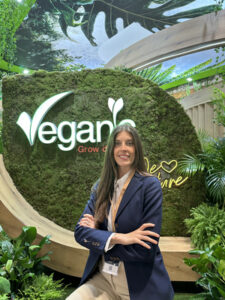
As 3 principais dicas: Belén Torregrosa, da Veganic, sobre como entender os princípios básicos da nutrição vegetal.
 Durante anos, a agricultura concentrou-se em agir quando o problema já era visível: estresse, pressão de pragas, doenças, desequilíbrios ou perda de produtividade. No entanto, a biologia vegetal mostra que as plantas não são organismos passivos. Elas percebem o ambiente, interpretam sinais, comunicam-se, memorizam e reagem.
As plantas não se comunicam com palavras. Elas se comunicam através de moléculas.
Cada folha, raiz e tecido faz parte de uma rede de comunicação química que permite à planta detectar desafios do campo e ativar suas próprias respostas naturais. Com base nesse conhecimento, a Veganic desenvolveu o Plant Primers, uma nova geração de biossoluções com tecnologia NeoPrime.® tecnologia.
Os Plant Primers não visam forçar uma reação artificial ou manter a planta em estado de alerta permanente. Seu objetivo é fornecer sinais biológicos específicos que a planta interpreta como informação, ajudando-a a se preparar, adaptar e responder melhor quando a cultura precisar.
Belén Torregrosa, Diretora de Marketing Global da Veganic, oferece três dicas para aproveitar ao máximo os guias de alimentação à base de plantas.
1. Passe de "Tratar a planta" para "Treinar a planta"“
Os insumos agrícolas tradicionais geralmente funcionam aplicando substâncias à plantação e esperando uma reação direta. Mais recentemente, o setor adotou o conceito de condicionamento: preparar a planta para reagir mais rapidamente quando surgir um desafio.
Os livros da série Plant Primers vão um passo além: eles propõem a transição do tratamento para o treinamento.
Na Veganic, acreditamos que as plantas não apenas reagem. Elas também aprendem, memorizam e se adaptam. É por isso que os Plant Primers atuam como verdadeiros treinadores de plantas: eles ensinam a planta a interpretar sinais, promovem respostas adaptativas mais eficientes, ajudam a construir memória fisiológica e epigenética e melhoram a resiliência a desafios futuros.
Essa diferença é importante. Preparar uma planta pode ser uma ação pontual. Treinar uma planta implica um processo mais profundo: experiência, aprendizado, memória e adaptação.
Uma planta treinada não está em constante estado de alerta nem consome energia desnecessariamente. Ela permanece equilibrada, enquanto se prepara fisiologicamente para responder mais cedo, melhor e com mais precisão quando surgem desafios no campo.
Seu fundamento biológico baseia-se na hormese: pequenos sinais capazes de desencadear grandes processos de adaptação. Em outras palavras, estímulos precisos que não esgotam a planta, mas ativam sua capacidade natural de se preparar e responder com maior eficiência.
2. Pense nas moléculas como informação, não apenas como ingredientes.
Na agricultura biológica, costumamos falar em compostos, extratos, metabólitos ou substâncias ativas, mas a verdadeira mudança de paradigma está em entender esses elementos como informação biológica.
As plantas utilizam uma linguagem invisível composta por sinais moleculares. Ácidos orgânicos, moléculas bioativas, compostos voláteis, reguladores endógenos e vias hormonais fazem parte de um verdadeiro alfabeto vegetal. Cada sinal pode carregar um significado, e cada mensagem pode influenciar a forma como a planta se prepara, distribui sua energia ou responde ao estresse.
NeoPrime® A tecnologia baseia-se na decodificação desse alfabeto vegetal.
Quando compostos associados ao NeoPrime® Ao entrarem em contato com os tecidos vegetais, são percebidas como informações biológicas relevantes. Essas informações podem ativar cascatas de comunicação interna relacionadas a vias hormonais, metabólicas e genéticas.
Isso não é nutrição simples. Não é estimulação genérica. É a transmissão de instruções biológicas específicas.
3. Desenvolver resiliência através da memória fisiológica e epigenética
Um dos aspectos mais fascinantes da biologia vegetal moderna é a memória epigenética. Esse processo permite que uma planta retenha informações de uma experiência anterior sem modificar sua sequência de DNA.
O código genético permanece o mesmo, mas a forma como certos genes são disponibilizados, silenciados ou preparados para expressão pode mudar. Em termos práticos, a planta pode "lembrar" um sinal e responder de forma mais eficiente quando surge um novo desafio.
Os Plant Primers são construídos com base nessa lógica biológica. A planta recebe informações que podem contribuir para uma maior capacidade de resposta futura. Não se trata de forçar uma reação permanente, mas sim de ajudar a cultura a desenvolver uma prontidão fisiológica e epigenética que aprimore a velocidade, a precisão e a coordenação de suas respostas naturais.
Uma planta bem preparada não é uma planta esgotada. É uma planta mais eficiente.
Isso pode se traduzir em uma ativação mais rápida de suas vias naturais, melhor gerenciamento de recursos internos, aumento da produção de metabólitos secundários, alterações nos perfis de compostos voláteis, fortalecimento dos tecidos, melhor equilíbrio energético e maior capacidade de manter a produtividade e a qualidade em condições exigentes.
Os Guias Básicos para Plantas representam uma nova maneira de entender a agricultura: passando do tratamento dos sintomas para a preparação dos sistemas; da aplicação de insumos para a transmissão de instruções; da proteção da planta para a planta para o ensino da planta a se proteger melhor.
A agricultura do século XX foi amplamente baseada na química. A agricultura do século XXI será cada vez mais baseada em informações biológicas.
Quando entendermos a biologia em profundidade, a agricultura deixará de agir com atraso e começará a se preparar melhor.
Porque o futuro da agricultura não se trata de fazer mais pela planta. Trata-se de capacitar a planta a fazer mais por si mesma.