ESA 激发助剂市场的发展
 2024 年 1 十一月
 AgriBusiness Global 与 Branded Technologies 佐剂产品组合经理 John Blackford 进行了交谈。 Wilbur-Ellis, 关于佐剂行业的趋势和发展,以及遵守美国环境保护署的《濒危物种法》如何为佐剂带来新的机遇。.
ABG:您如何描述目前的佐剂市场?
约翰·布莱克福德: 总体而言,包括助剂在内的作物保护产品目前面临着严峻的环境。我们正处于大宗商品价格低迷和利率高企的时期。这影响了整个农业行业。疫情造成了供应链瓶颈。库存高企,价格也高企。然而,包括助剂行业在内的农业投入品供应链继续优化库存水平,这应该是一个好处。
ABG:外国佐剂供应商在美国市场有哪些机会?
JB我认为机会总是存在的,尤其是在新产品、创新产品或新型佐剂化学领域。如果外国公司能够提供具有竞争力的价格、卓越的品质或其他差异化优势,它们也可能获得机会。.
ABG:虽然佐剂行业正在发展,但其应用率似乎参差不齐。您同意这种说法吗?
约翰: 助剂已经存在很长时间了。现在,许多种植者,尤其是零售商,都认识到优质助剂对喷洒作业的价值。它可以帮助喷洒液更好地扩散到植物表面,帮助其更好地渗透到植物内部,从而固定药液并减少漂移或挥发,还可以调节水质,或者兼具以上所有功能。.
我确实认为在扩大应用方面还有很大的空间。一些种植者仍然没有使用助剂,尽管我认为花点钱这样做是值得的。


ABG:如何才能让那些仍然坚持使用佐剂的人开始使用佐剂?
约翰: 有多种方法可以做到这一点。首先,从值得信赖的顾问开始——换句话说,零售店、农学家——让他们谈论助剂是非常有帮助的。农业仍然是一项人性化的业务。
在 Wilbur-Ellis,我们有大量数据表明我们的助剂效果良好。我们与零售店共享这些数据,以便种植者随时可以查看。
此外,我们还通过社交媒体与种植者互动。例如,我们全年都使用助剂或其他 Wilbur-Ellis 品牌产品,并专注于特定市场或产品。我们正在接触可能更热衷于社交媒体并更喜欢在线学习的年轻种植者。
ABG:美国环保署为遵守《濒危物种法案》(ESA)而采取的策略,使助剂问题受到了广泛关注。您观察到了什么?
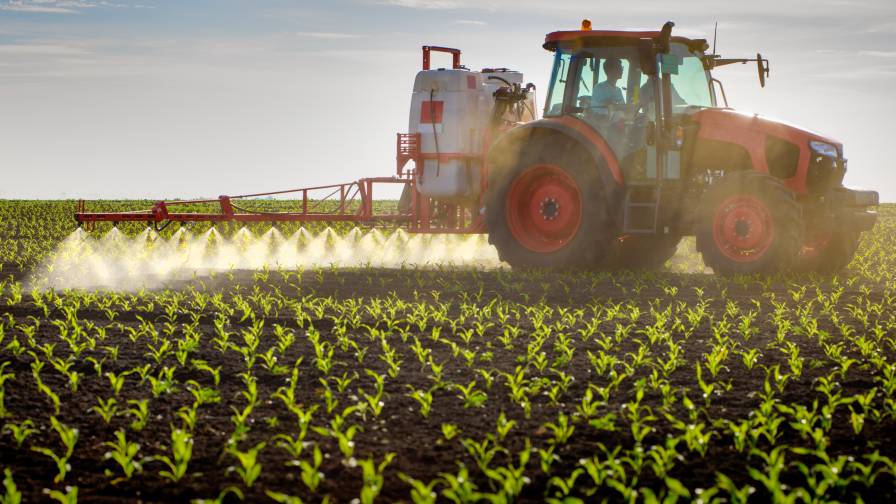
约翰: 过去一年来,我一直在强调 ESA 的重要性,以及每次在每次桶混过程中都应该使用防漂移助剂 (DRA)。EPA 给予了助剂很高的认可,尤其是 DRA,它确实有助于限制和减少缓冲区。
然而,ESA 非常复杂。好消息是,EPA 的除草剂战略(于 8 月底发布)不会一次性影响所有产品。EPA 将重点关注的初始产品是那些正在提交新登记或准备重新登记的产品。这还需要一段时间,而且推出的速度会比我最初预期的要慢一些。
ABG:农业科技在促进助剂的广泛应用方面发挥着怎样的作用?
约翰: 在 Wilbur-Ellis,我们更多地使用无人机技术,尤其是在图像方面。我对无人机的影响力之大感到非常惊讶,并且有大量数据支持其实用性,无论是图像还是施药应用,助剂都可以真正帮助减少喷洒过程中的漂移。
例如,在中西部,几乎每天都会有微风,因此漂移是一个真正的问题。然而,无人机和地面施药农机的使用率存在差异,我们正在对使用率进行研究和试验。在 Wilbur-Ellis,我们目前销售一些优秀的 DRA,并且也在研究新的 DRA。
我认为,对于无人机应用的助剂,没有万能的灵丹妙药。无人机种类繁多。没有万能的解决方案。这取决于应用、无人机类型、环境、喷嘴的压力等。
虽然许多无人机使用旋转雾化器类型的喷嘴,但其他无人机使用带有喷嘴的喷杆。不同的 DRA 会以不同的速率与不同类型的无人机配合使用。设备这一环节非常重要。 当您在应用中添加其他混合剂、营养产品、化学产品和其他产品时,管理这些应用所需的工具就会变得非常具体。我们接到过很多关于增溶剂以及如何优化特定桶混溶液的电话。
ABG:从成熟度来看,辅助剂行业处于什么阶段?
约翰: 总体而言,助剂领域发展迅速。我仍然觉得我们仍处于这场博弈的早期阶段,尤其是在无人机市场。例如,我认为追求一种能够“包治百病”、适用于所有无人机应用的万能助剂并非最佳策略。展望未来,我认为更应采取针对性的方法,而这需要高质量的助剂,也需要丰富的行业知识。.
立即获取时事通讯!