Tariffs, Trade, and Transformation: Inside the 2025 AgriBusiness Global Trade Summit
 18 August 2025
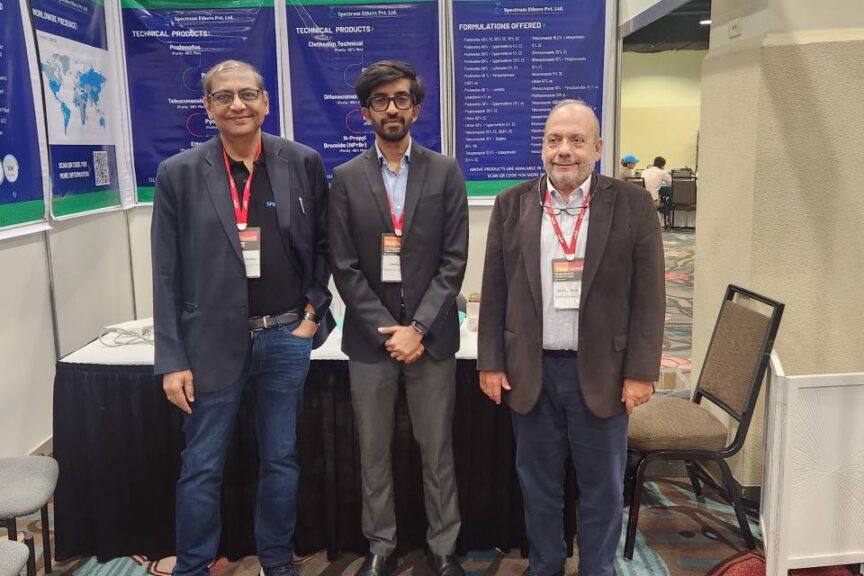
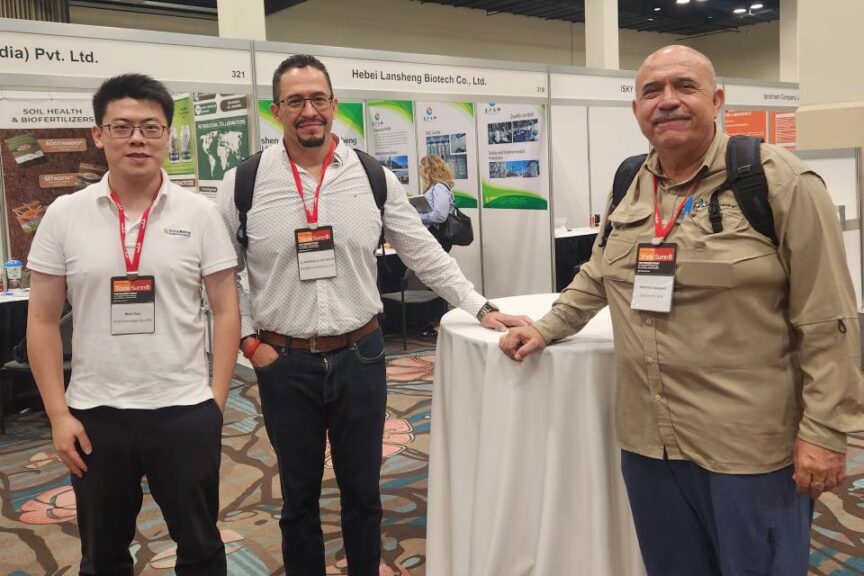
 The two-day AgriBusiness Global Trade Summit on 5-6 August 2025 addressed tariffs, geopolitics, and other challenges for global industry leaders to learn and strategize for a successful game plan for 2025 and beyond.
View all
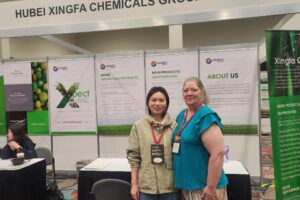
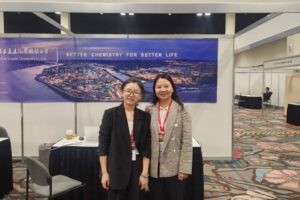
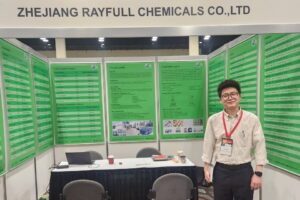
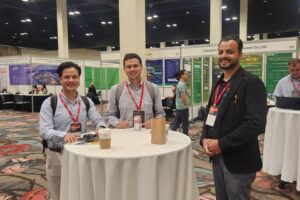
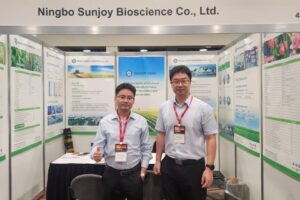
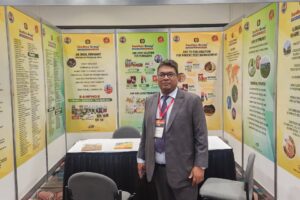
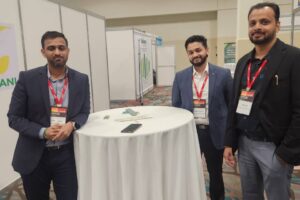
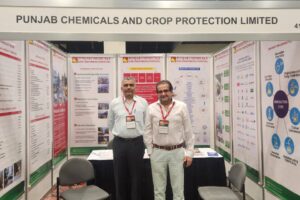

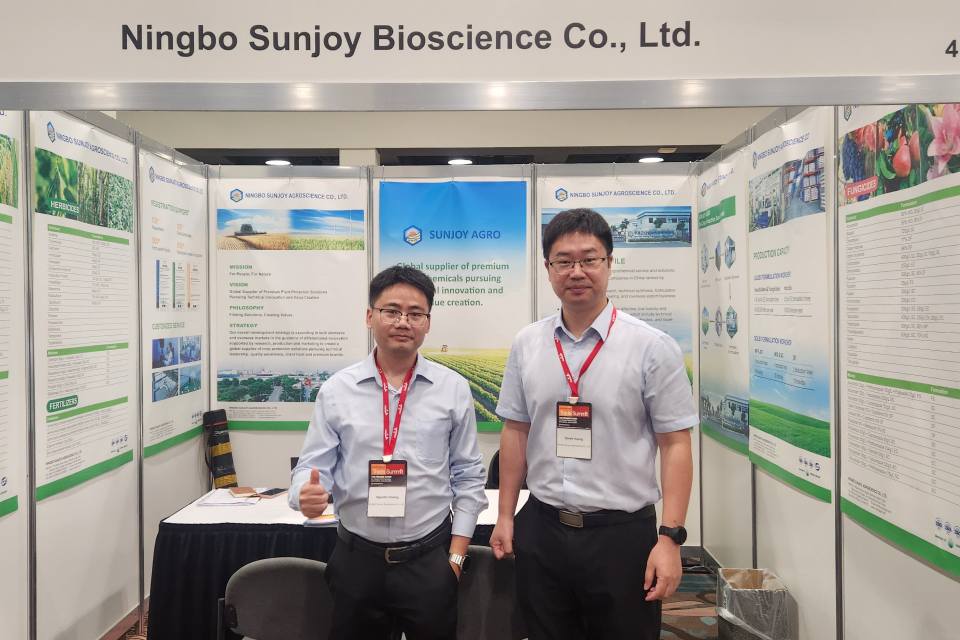
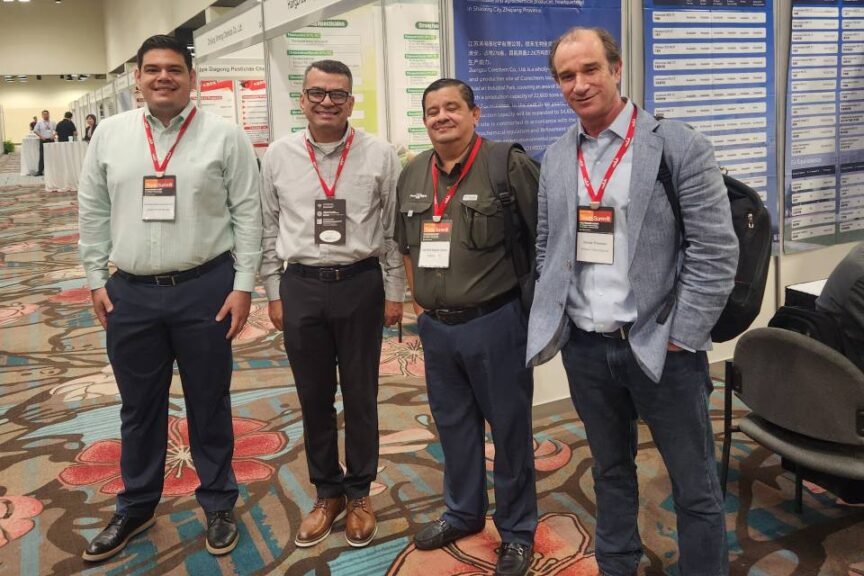
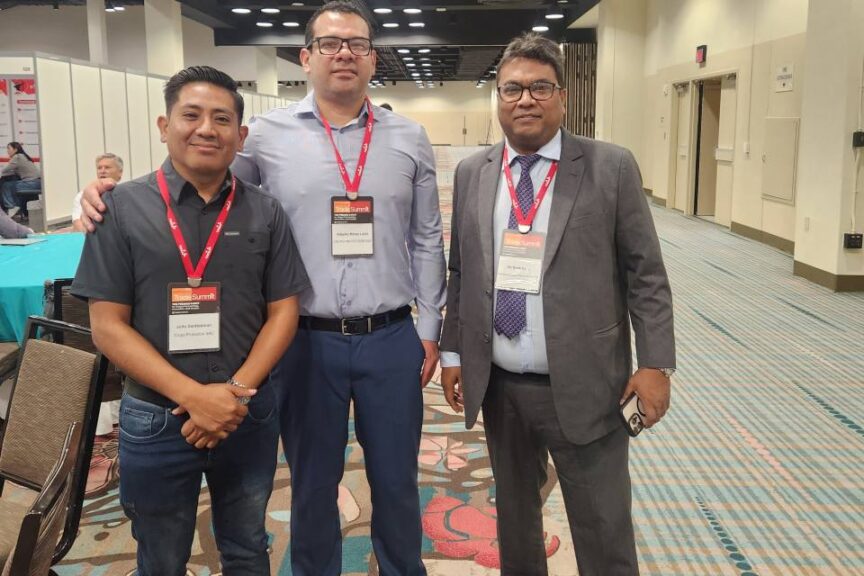
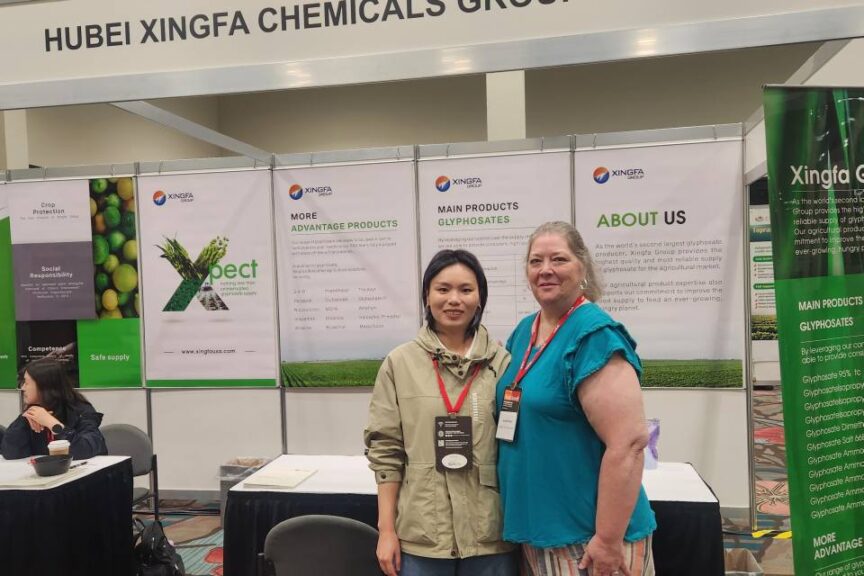
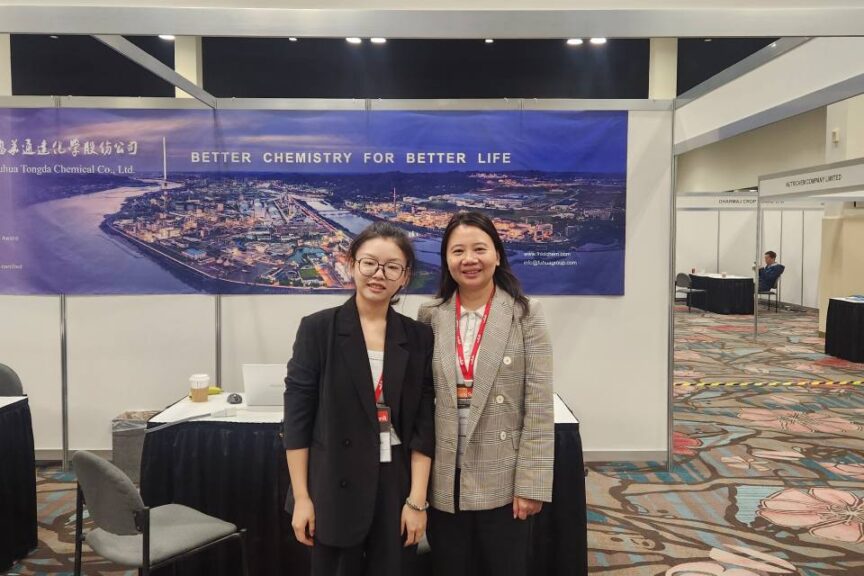
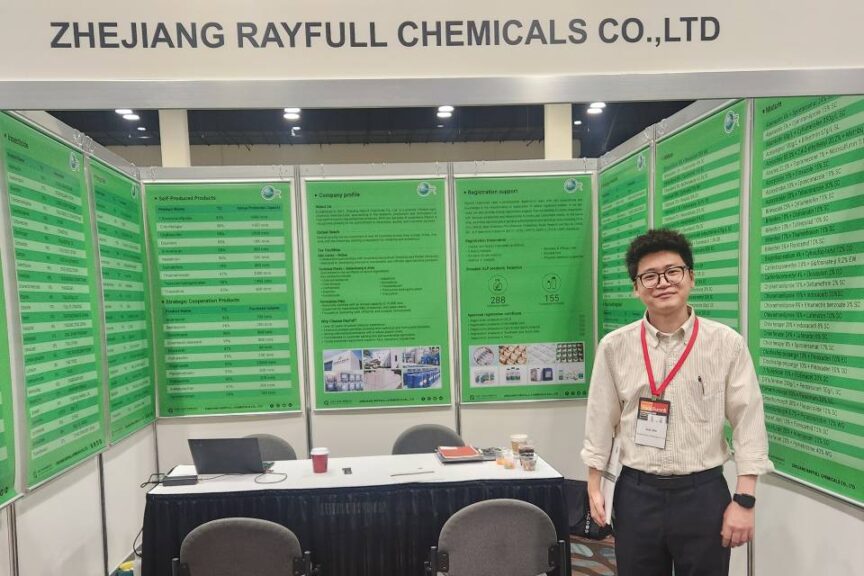
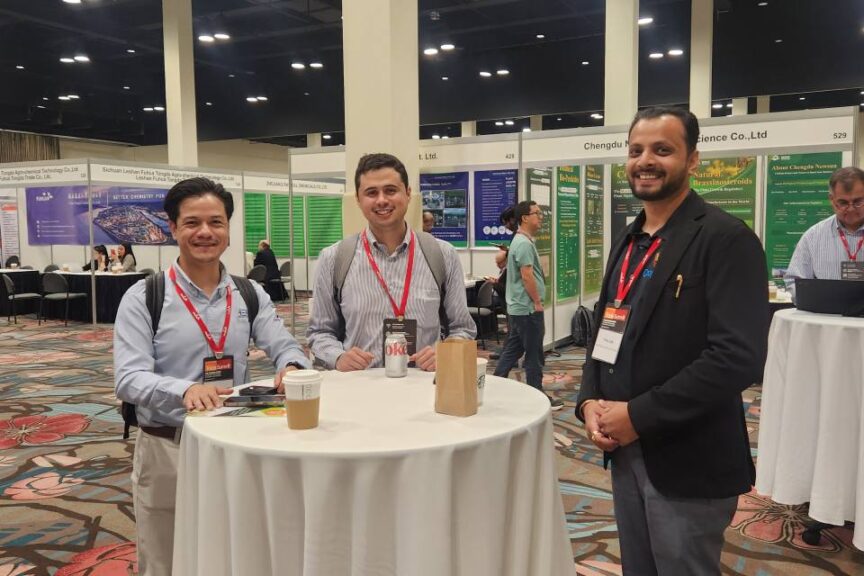
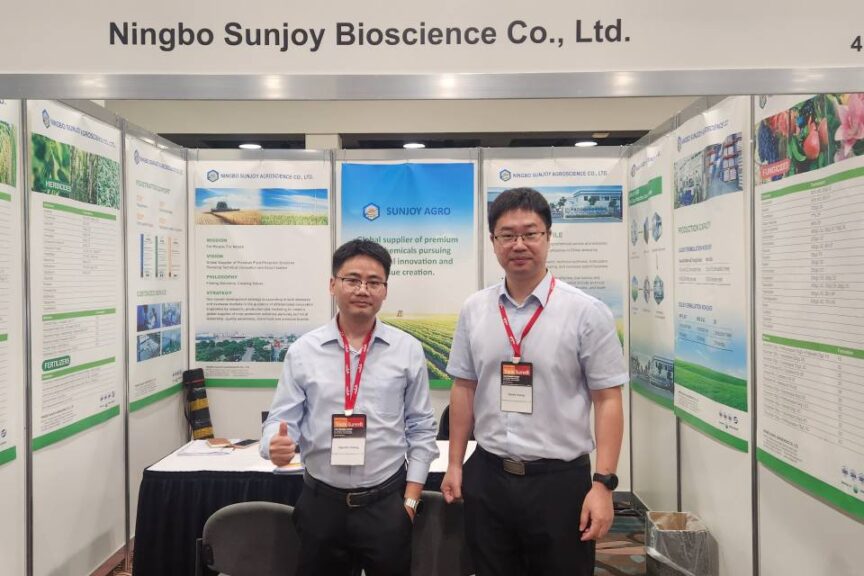
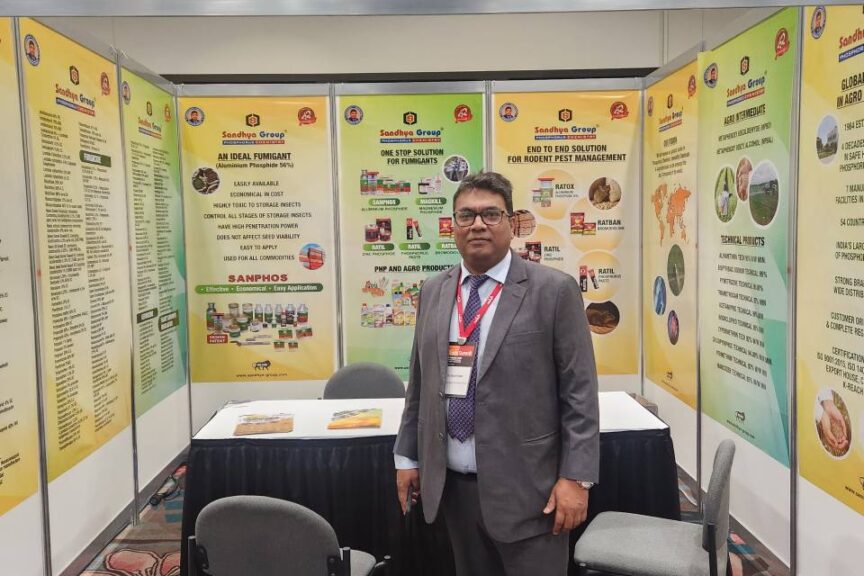
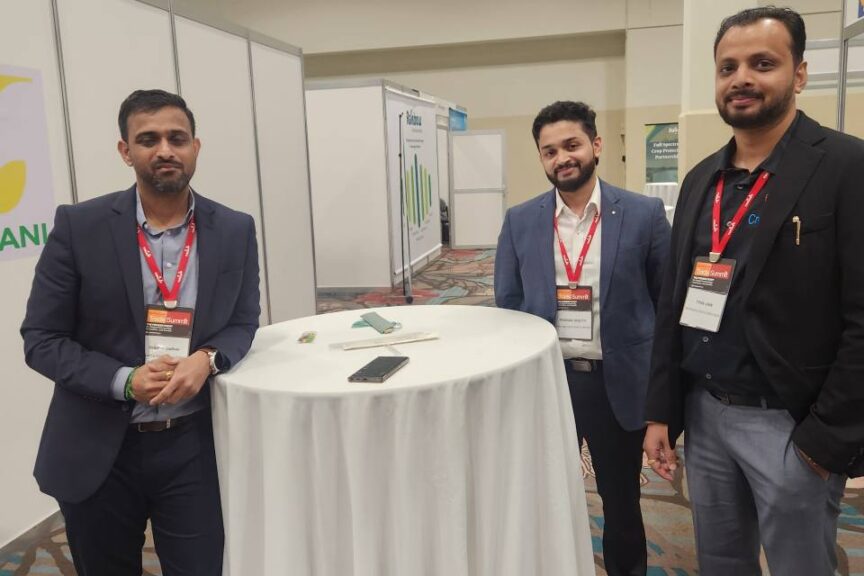
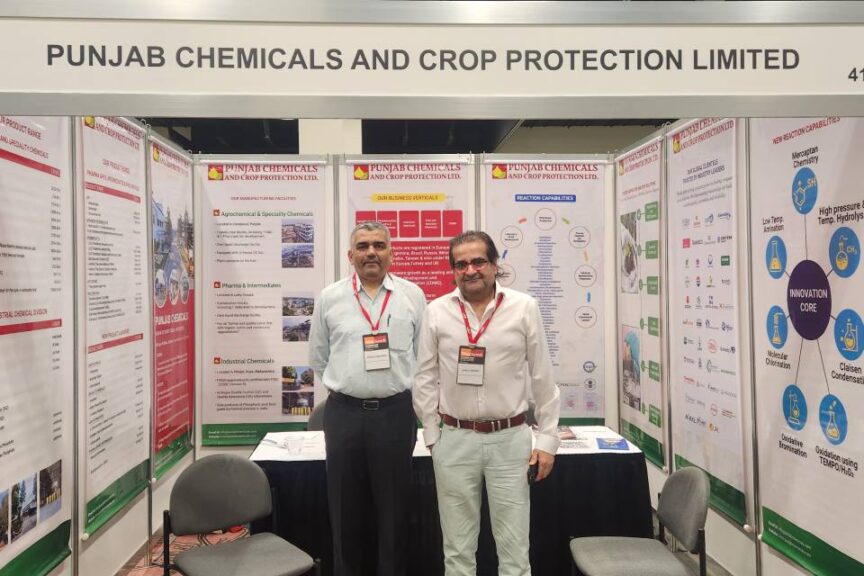
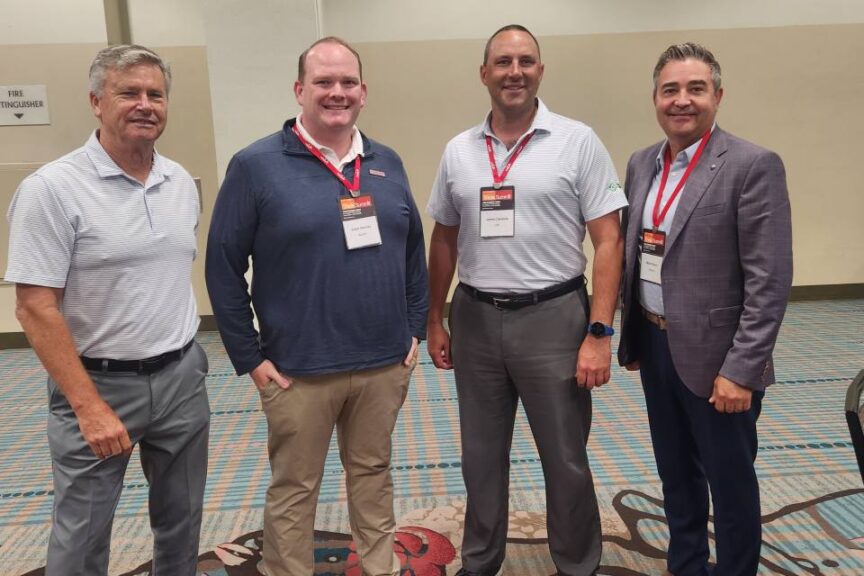
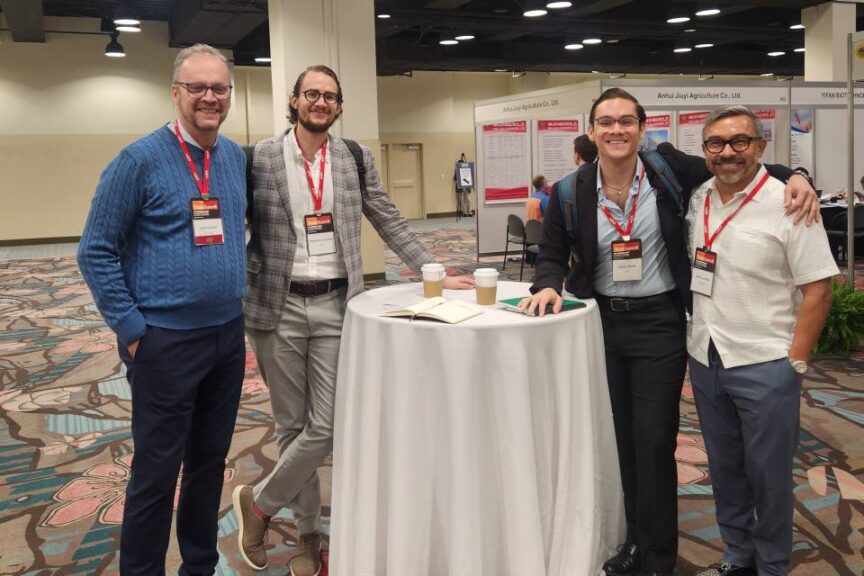
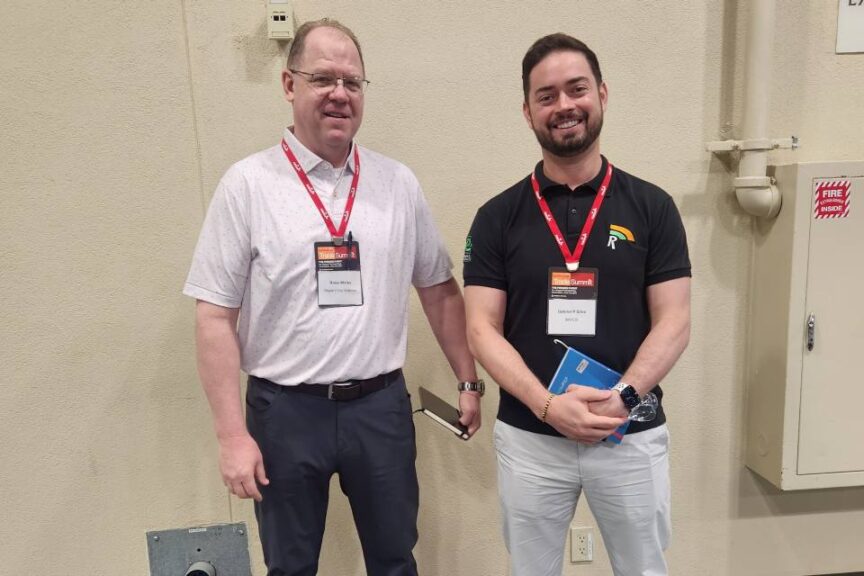
With more than 750 attendees and more than 85 exhibitors at the Walt Disney World Dolphin Resort in Orlando, FL in the U.S., the ABG Trade Summit encouraged interaction among exhibitors and attendees, and also ran sessions to provide solutions and intel.
In one session, David Li, Vice President of SPM Biosciences, discussed the rebalancing of supply and demand in his presentation “China’s Unique Path: Upgrading the Agrochemical Industry.” Li discussed how China’s pesticide upstream resource allocation and market demand changes produced a mismatch, resulting in a surge in production capacity.
Li also discussed the “Guidance Catalog for Industrial Structure Adjustment” issued by the China Development and Reform Commission (DRC) in 2024, which reports the Chinese government will take measures to restrict new construction of the following pesticide products: glyphosate, chloropyrifos, triazophos, paraquat, chlorothalonil, abamectin, imidacloprid, acetochlor, chloropicrin, alachlor, 2,4-D, acetamiprid, thiamethoxam, atrazine, butachlor, MCPA, ametryn, dicamba, diqua, glufosinate, clethodim, mancozeb, trichlorfon, triadimenol, propiconazol, iprodione, paclobutrazol, and lime sulfur.
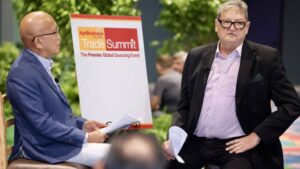
Another presenter, Jim DeLisi, Chief of Fanwood Chemicals, Inc., addressed developments in China in regard to U.S. reciprocal and fentanyl tariffs in his presentation, “Trade Trends: Preparing for Policy and Market Change.”
For reciprocal tariffs, DeLisi reported that China will be held at 10% likely through November 10. For the fentanyl tariffs, he said China has a 20% tariff to force them to confront the “Fentanyl Crisis.”
“Since China has such a low tolerance for narcotics,” says DeLisi, “it was expected that it should have been relatively easy to convince President Trump that they were taking this issue seriously and took actions to stop the exporting of fentanyl and fentanyl precursors.”
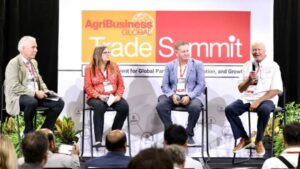
Five members of the AgriBusiness Global Advisory Board discussed regional challenges and solutions for the U.S., EU, LATAM, China, and India in a panel discussion titled: “Addressing Ag’s Toughest Challenges.”
Li along with Sebastian Bachem, Board Advisor for Accumont; Abhijit Bose, Executive President/Chief Operating Officer for Tagros Chemicals; Nicolas Potrie, Director for Tafirel; and Bob Trogele, Chief Executive Officer for ProAgInvest discussed challenges of energy costs, chemical banning, tariffs, Ukraine/Russian war, and other challenges.
Potrie and Li discussed how they are seeing more companies from China do business with LATAM countries and other regions in response to U.S. tariffs.
Trogele said that businesses should plan for a few more lean years as the global agrochemical market continues to struggle and advised businesses to save cash and diversify.
The two-day event provided a great opportunity for networking and new business deals. AgriBusiness Global Trade Summit title sponsors included Trustchem Co., Rainbow Agro, Ultrafast Chemical Logistics, and Chengdu Newsun Crop Science.
The event was made possible by the support from attendees, exhibitors, sponsors, speakers and participating associations.
Find more Trade Summit coverage here.
Get The Newsletter Today!