Resumo Químico: Ciantraniliprole sob a Análise Ambiental
 12 de março de 2026
 Uma molécula criada no início da década de 2010 nos laboratórios da DuPont foi projetada para incorporar a proteção moderna de cultivos — sistêmica, flexível e compatível com programas de manejo integrado de pragas. Mais de uma década depois, o ciantraniliprole se vê navegando por um ambiente regulatório global que está moldando cada vez mais o ciclo de vida comercial dos produtos químicos para proteção de cultivos.
Para produtores, distribuidores e fabricantes da Califórnia a Jiangsu, a questão não é mais apenas a eficácia da molécula no controle de pragas mastigadoras e sugadoras. Trata-se de saber se as fórmulas químicas de próxima geração conseguirão manter sua posição no mercado em uma era em que a responsabilidade ambiental rivaliza cada vez mais com a eficácia.
Pressão regulatória — mas não o mesmo destino
Ao contrário de classes mais antigas de inseticidas, como organofosforados e carbamatos, que sofreram amplas remoções por parte das regulamentações, o ciantraniliprole manteve, em grande parte, um perfil regulatório favorável.
Em alguns casos, decisões regulatórias que afetam outras áreas da química podem até fortalecer seu papel.
“Na minha opinião, o ciantraniliprole poderia se beneficiar de medidas regulatórias contra alternativas que foram, ou serão, banidas de certos mercados”, afirma. Derek Oliphant, Analista Sênior em AgbioInvestidor.
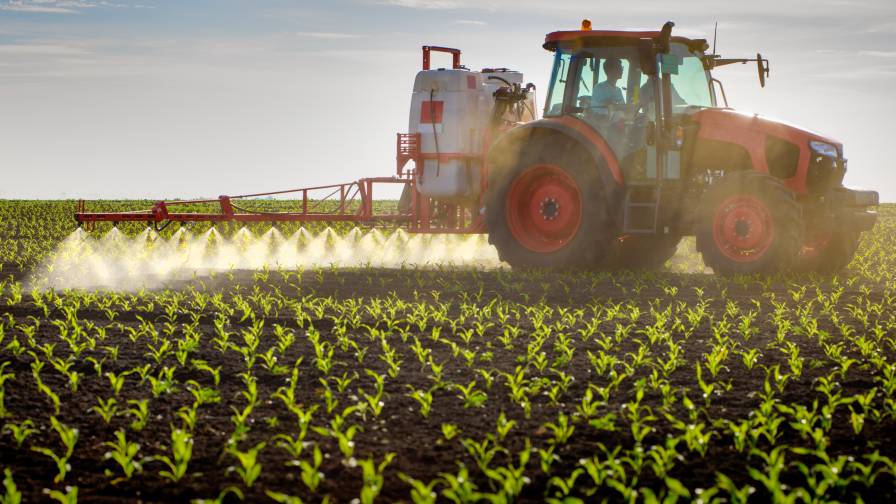

A decisão da União Europeia de não renovar a aprovação do espirotetramato criou novas lacunas no manejo de pragas para os produtores de frutas e hortaliças. Da mesma forma, a perda da aprovação do fosmete em 2022 eliminou uma importante ferramenta para o controle de pulgões-da-colza, especialmente em regiões onde a resistência aos piretroides é generalizada.
As tentativas de substituir o fosmet por alternativas biológicas — incluindo azadiractina, caulim e extrato de urtiga — produziram resultados limitados. Consequentemente, o ciantraniliprole recebeu isenções para uso contra a praga em países como França e Alemanha.
Nos Estados Unidos, os órgãos reguladores adotaram uma abordagem mais cautelosa. A Agência de Proteção Ambiental (EPA) introduziu requisitos adicionais de rotulagem com o objetivo de minimizar os potenciais impactos sobre espécies ameaçadas de extinção, incluindo zonas de amortecimento próximas a corpos d'água e práticas de aplicação projetadas para reduzir a deriva da pulverização.
No entanto, Oliphant observa que é improvável que essas medidas afetem significativamente o uso geral.
“Na ausência de quaisquer preocupações imediatas que ameacem a manutenção de sua aprovação, o risco regulatório de não renovação é considerado baixo”, afirma ele.
Expiração de patentes e o aumento dos genéricos
Embora o risco regulatório pareça administrável, o cenário de mercado para o ciantraniliprole está começando a mudar.
Com a proximidade do vencimento da patente da molécula, os fabricantes de genéricos estão se preparando para entrar no mercado com nova capacidade de produção.
Diversas empresas chinesas estão investindo em nova capacidade de produção. A Inner Mongolia Zhonggao Chemical, uma subsidiária da Grupo Químico de Zhejiang Zhongshan, apresentou planos para um projeto que inclui 1.500 toneladas de capacidade técnica anual de ciantraniliprole como parte de uma instalação maior de 4.500 toneladas de pesticidas na Mongólia Interior.
A expansão da capacidade de produção global pode exercer pressão descendente sobre os preços, à medida que mais fornecedores entram no mercado.
“Embora a demanda por ciantraniliprole permaneça forte, o aumento da oferta de genéricos provavelmente influenciará o poder de precificação nos próximos anos”, afirma Oliphant.
Ao mesmo tempo, as empresas pioneiras continuam investindo em química. FMC A empresa afirma estar desenvolvendo formulações de próxima geração, projetadas para atender às expectativas regulatórias e de gestão ambiental em constante evolução, ao mesmo tempo que apoiam programas de manejo de resistência para os produtores.
“Como proprietária do ciantraniliprole, a FMC continua a liderar o setor no desenvolvimento de produtos à base de ciantraniliprole, investindo em formulações de última geração projetadas para atender às expectativas regulatórias, de gestão e ambientais em constante evolução, ao mesmo tempo que oferece um gerenciamento eficaz da resistência para os produtores”, afirmou a empresa.
Regras diferentes em cada região
As abordagens regulatórias aos produtos fitossanitários variam muito nos mercados globais, criando complexidade adicional para as empresas que gerenciam portfólios internacionais.
Nos Estados Unidos, a regulamentação de pesticidas incorpora cada vez mais requisitos relacionados à Lei de Espécies Ameaçadas de Extinção. A Europa, por sua vez, muitas vezes depende de estruturas baseadas em riscos, o que pode levar à não renovação de patentes de produtos.
Em grande parte da região Ásia-Pacífico, no entanto, os reguladores continuam a depender principalmente de modelos de avaliação baseados em risco.
“Os órgãos reguladores no Japão, China, Coreia e Sudeste Asiático ainda se baseiam principalmente em estruturas convencionais, focadas em risco — com ênfase em toxicologia, exposição alimentar e risco ambiental localizado — em vez de mecanismos legais específicos para espécies ameaçadas de extinção, como os existentes nos EUA”, afirma. Piyatida Pukclai, Gerente de Assuntos Regulatórios em consultoria regulatória colina.
Essa abordagem ajudou a manter uma forte aceitação regulatória para o ciantraniliprole em mercados onde a demanda agrícola permanece alta e os produtos fitossanitários desempenham um papel fundamental na produção de alimentos.
Ao mesmo tempo, os desenvolvimentos regulatórios nos mercados ocidentais ainda influenciam as expectativas globais.
“Os desenvolvimentos nos EUA e na UE influenciam cada vez mais as expectativas regulatórias na Ásia, especialmente durante o re-registro, as revisões de LMR (Limites Máximos de Resíduos) ou quando se discutem os riscos para os corpos d'água ou polinizadores”, afirma Pukclai.
O resultado mais provável em muitos mercados asiáticos é um aperto gradual nas condições de utilização ou uma expansão mais lenta para novas culturas, em vez de retiradas repentinas de produtos.
Desempenho de mercado
Apesar do escrutínio regulatório e das expectativas em constante evolução em relação à gestão responsável, o ciantraniliprole continua sendo um inseticida comercialmente importante.
Segundo estimativas da AgbioInvestor, as vendas globais de defensivos agrícolas atingiram aproximadamente 1,4 trilhão de dólares em 2024, representando um aumento de 6,1 trilhões de dólares em relação ao ano anterior. Entre 2019 e 2024, as vendas cresceram a uma taxa média anual de cerca de 1,3 trilhão de dólares.
Olhando para o futuro, espera-se que o crescimento se modere, mas permaneça estável. A AgbioInvestor prevê um crescimento médio anual de vendas de 3,41 trilhões de dólares até 2029, superando o mercado de inseticidas em geral.
Espera-se que o crescimento venha da expansão da adoção geográfica e da substituição de fórmulas químicas mais antigas que estão sendo descontinuadas, mesmo com o aumento da concorrência de genéricos pressionando os preços.
Um estudo de caso para a proteção moderna de cultivos.
A trajetória do ciantraniliprole reflete mudanças mais amplas que moldam a indústria de proteção de cultivos.
Atualmente, a viabilidade a longo prazo de uma molécula depende não apenas de sua capacidade de controlar pragas, mas também de sua capacidade de atender às expectativas regulatórias, ambientais e de gestão em constante evolução em diversas regiões.
Nesse sentido, o ciantraniliprole pode servir como um indicador de como os modernos produtos químicos para proteção de cultivos serão avaliados. O desafio, tanto para os órgãos reguladores quanto para as empresas, é equilibrar as salvaguardas ambientais com a necessidade de manter ferramentas eficazes de manejo de pragas para os agricultores.
Para o ciantraniliprole, esse equilíbrio determinará se ele permanecerá um pilar de longo prazo dos programas de inseticidas — ou simplesmente um trampolim para a próxima geração de soluções de proteção de cultivos.
Receba a Newsletter hoje mesmo!