Tendências no mundo dos microbianos: de produtos biológicos de nicho a insumos agrícolas convencionais
 26 de agosto de 2026
 Although the microbials market is somewhat segmented, in row crops such as corn and soybean, inoculants and biological seed treatments lead global adoption, particularly in Brasil e os EUA In Brazil especially, large-scale soybean production has normalized the use of microbial inputs.
In contrast, high-value fruit and vegetable crops in Europa, the U.S., and Latin America have long relied on biological fungicides and insecticides. These growers were early adopters because biocontrol products offer a key advantage near harvest: effective pest and disease control without pesticide residue concerns. That value proposition has driven sustained adoption in specialty crops.
Historically, fruit and vegetable production, especially in organic systems and residue-sensitive supply chains, led the way in adopting biological controls as the need to manage pesticide residues and meet retailer standards made microbials a practical solution.
However, row crops have rapidly closed that gap. In Brazil, soybean producers have driven widespread adoption of inoculants and, more recently, bionematicides. In some regions, farmer surveys report bionematicide adoption rates approaching 89%. That level of penetration demonstrates that biologicals are no longer niche tools — they are mainstream agronomic inputs in key markets.
What’s New
Biological products are increasingly being developed with commercial integration in mind. For example, spore-forming microbes feature inherent stability, long shelf life, and tank-mixability. That stability enables compatibility with modern distribution systems and seed treatment processes.

Advances in genomics, machine learning, and gene editing are poised to transform the microbial sector.
For example, genomic analysis can now be used not only to characterize microbial strains, but also to compare large populations of related organisms, identify genes and proteins associated with important agricultural traits, and build predictive models that help prioritize the most promising candidates for development.
These tools are making microbial discovery increasingly data-driven and precise.
Gene-editing technologies can then provide another level of control by enabling targeted improvements to traits associated with spectrum of activity, efficacy, safety and reliability.
Future Adoption
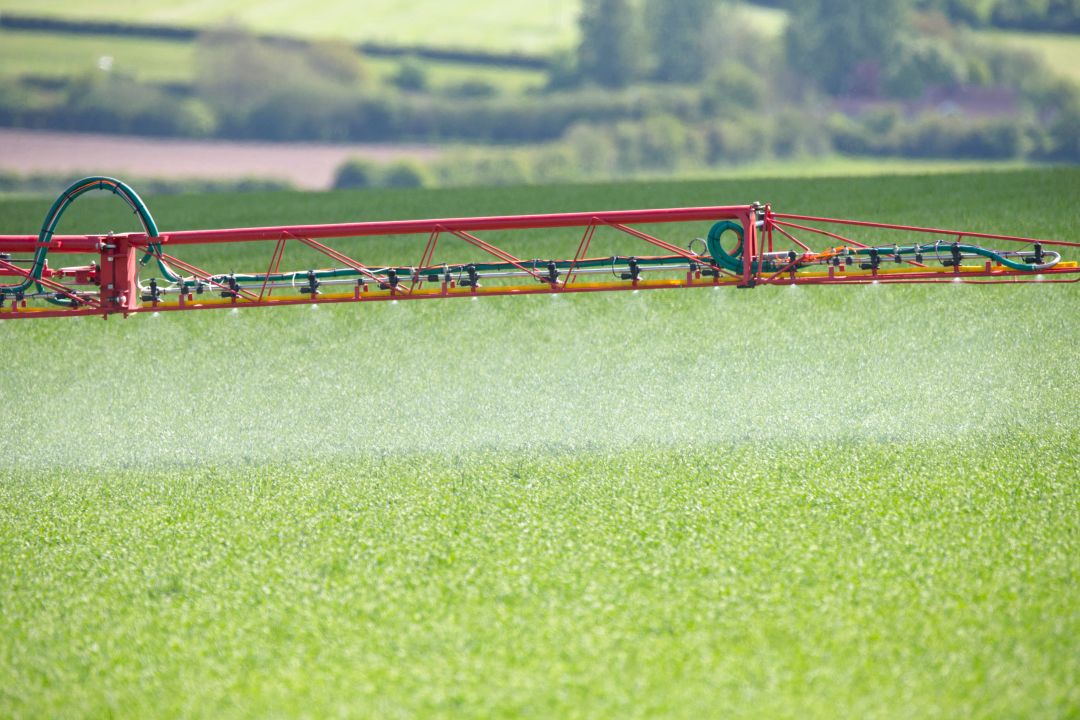
Ultimately, product acceptance depends on seamless integration. Growers should be able to use microbial products within existing practices — whether as a seed treatment or tank mix — without changing equipment or workflows. Technologies that reduce friction in adoption will drive the fastest uptake.
However, adoption slows when products fall short in three key areas:
- Consistent performance backed by broad data sets.
- A clearly documented and credible mode of action.
- Ease of use.
Growers are pragmatic. If a biological product requires extra steps, special handling, or changes to standard practices, it becomes harder to justify, especially if performance varies. Products that combine agronomic reliability with operational simplicity are far more likely to win long-term support.
Regulatory clarity also significantly influences adoption.
For instance, Brazil has recently implemented updated regulations biologicals. The improved clarity and defined pathways have accelerated new product introductions and strengthened Brazil’s position as a leading biologicals market.
The U.S. has the longest-standing regulatory framework for biocontrol solutions. The EPA established the Biopesticides and Pollution Prevention Division (BPPD) in 1994, creating a dedicated pathway that has supported decades of innovation. However, the volume of applications today is stretching available resources, slowing review timelines.
The EU remains more complex and, in some areas, slower — particularly for microbial biocontrols. That said, recent regulatory updates for biostimulants may help accelerate approvals in that category. Continued harmonization and modernization could unlock significant growth across the region.
O que vem a seguir
We expect continued and accelerating adoption of microbial products globally. Growers increasingly understand microbial modes of action and how to integrate them into agronomic systems. As genomic and gene-editing tools deliver more consistent, targeted, and high-performing products, biologicals will expand from complementary inputs to foundational components of crop protection and fertility programs.
The future of microbial agriculture will be defined by performance, precision, and integration — and we are only at the beginning of that evolution.
Receba a Newsletter hoje mesmo!