A Rovensa Next destaca o papel das biossoluções na construção da resiliência a longo prazo dos produtores, à medida que a UE avança para reduzir os custos dos fertilizantes.
A decisão do Conselho da União Europeia sobre 13 de julho A adoção de medidas específicas para apoiar os agricultores que enfrentam custos elevados com fertilizantes representa um importante reconhecimento de um desafio que os produtores em toda a Europa têm enfrentado há várias safras. Além do alívio financeiro, a legislação incentiva explicitamente o uso mais eficiente de fertilizantes, uma maior adoção de fertilizantes biológicos e a redução da dependência de insumos nutricionais importados, ao mesmo tempo que reforça a importância da orientação agronômica para otimizar a aplicação de nutrientes.
Isso está em perfeita sintonia com Próximos de Rovensa compromisso de longa data com Biosolucionar a Agricultura, por meio da qual a empresa apoia produtores e distribuidores com aconselhamento baseado em ciência e um amplo portfólio de produtos de biossoluções adaptados a culturas específicas, que ajudam a maximizar a eficiência dos nutrientes e a proporcionar qualidade e rendimento no campo.
“Este é um passo bem-vindo e reflete algo que os produtores já sabem há muito tempo: a crise dos fertilizantes não se resume apenas ao preço, mas também à volatilidade e à dependência de insumos que estão cada vez mais fora do controle da Europa”, disse Fábio Dias, Diretor da EMEA da Rovensa Next. “Nosso papel sempre foi apoiar os produtores na resposta a esse tipo de pressão, aumentando a absorção de nutrientes e a eficiência de seu uso.”
Transformar políticas em apoio prático.
A legislação surge num momento em que a agricultura europeia enfrenta múltiplos desafios interligados: proteger a rentabilidade dos produtores, uma vez que a volatilidade dos custos dos insumos continua a pressionar as margens de lucro; reforçar a resiliência agrícola, visto que a incerteza no abastecimento e as alterações climáticas obrigam os produtores a repensar as estratégias de nutrição de uma safra para outra; e apoiar a autonomia estratégica europeia, reduzindo a dependência da importação de azoto, fósforo e micronutrientes.
A legislação recente permite que os Estados-Membros Aumentar as taxas de suporte de 50% para 80%. Para agricultores comprometidos em reduzir o uso de fertilizantes, exigindo, ao mesmo tempo, que os beneficiários tenham acesso ao conhecimento e às informações relevantes necessárias para otimizar o uso sustentável de fertilizantes.

“Este é um sinal significativo”, acrescentou Dias. “A UE não está apenas promovendo a redução do uso de fertilizantes — está recompensando-a financeiramente e exigindo que os agricultores tenham acesso à orientação adequada para fazer essa transição com sucesso. É exatamente nesse âmbito que atuamos diariamente.”
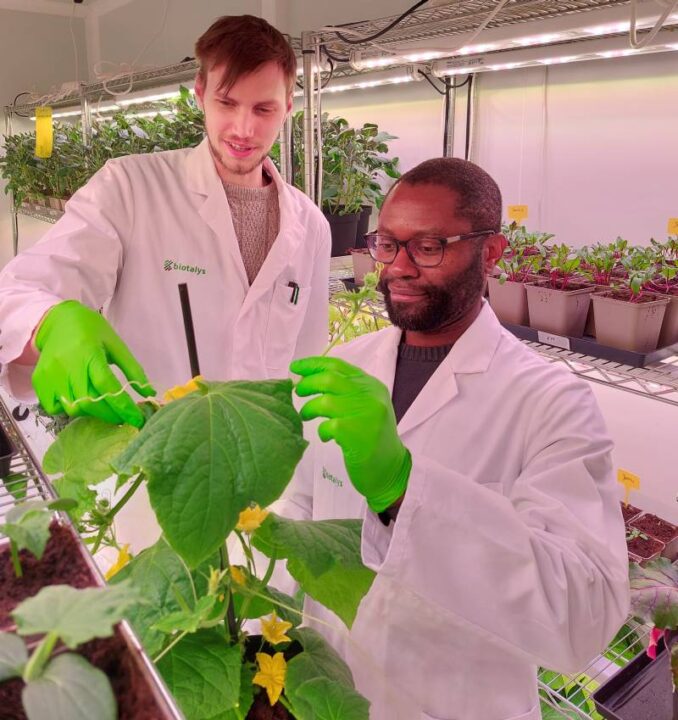
Por meio de sua abordagem de Agricultura Biosolucionada, a Rovensa Next trabalha em parceria com produtores e distribuidores em toda a Europa, fornecendo conhecimento agronômico local e oferecendo um amplo portfólio de produtos que melhoram a disponibilidade e a absorção de nutrientes em estágios-chave do ciclo de cultivo. Ao fortalecer a eficiência do uso de nutrientes, a vitalidade do solo e a resiliência das plantas, os produtores podem maximizar o valor de cada unidade de nutriente, mantendo a produtividade em condições cada vez mais desafiadoras.
“Nosso trabalho é apoiar os produtores com biossoluções totalmente compatíveis e eficazes que ofereçam múltiplos benefícios por meio de programas integrados de cultivo que combinem proteção e bioestimulação, e não produtos isolados”, disse Adriana Boock, Diretora de Produtos da Rovensa Next.
Baseado em evidências
A abordagem integrada da Rovensa Next é sustentada por uma extensa rede global de ensaios que abrange mais de duas décadas e milhares de testes de campo em diversas culturas e condições de cultivo. Os resultados têm demonstrado consistentemente que o rendimento e a qualidade podem ser mantidos ou melhorados, reduzindo a intensidade geral de insumos e ajudando os produtores a aumentar a rentabilidade.
“À medida que esta legislação passa da política para a prática nas fazendas de toda a Europa, nossa prioridade continua sendo ajudar os produtores a adotar soluções que tragam resultados positivos no campo e se integrem naturalmente aos seus programas de manejo de culturas já existentes”, concluiu Dias.
Receba a Newsletter hoje mesmo!