可持续发展播客:Anasac公司的Bernardita Contesse谈作物保护公司如何改进可持续发展工作
 2026 年 10 月 22 日
在本期可持续发展播客节目中, AgriBusiness Global, Bernardita Contesse, Chief of Sustainability at Anasac, delves into how companies can ramp up their sustainability efforts, how to communicate sustainable initiatives to the public, how to educate growers that sustainability doesn’t signify a loss of productivity, and more.


*这是经过编辑的部分文字稿。.
全球农业企业: Sometimes companies manufacturing synthetic chemicals can get a bad reputation, so how can chemical companies implementing sustainable practices communicate that to the public, and does it help with building trust?
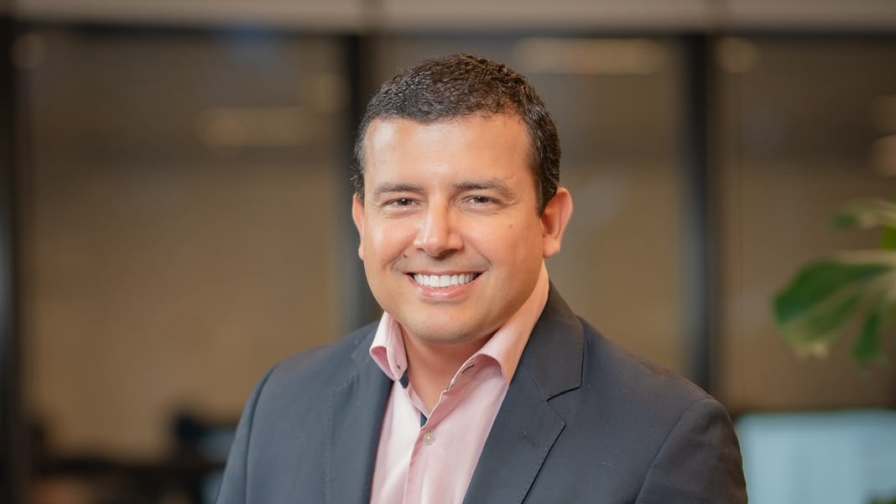
Bernardita Contesse Bamon: When we talk about communicating sustainability efforts, we work in two different ways. One is through very direct communication, where we use our communication teams and different platforms, channels, websites, email campaigns, and social media, etc.
But, in this industry, we believe that it’s much better to demonstrate. You have to be very practical and tangible. We have to show what the company is doing in terms of sustainability.
We use both approaches but focus mainly on demonstrating all the sustainable solutions that we are working on here.
ABG: When building out a sustainability program, how can sustainability considerations be incorporated across product development, sourcing, manufacturing, and distribution?
BCB: Sustainability must be applied across the entire value chain of a product, from the raw material sourcing and product development to manufacturing, transport, distribution, and product application in the field. Along this long and multidimensional value chain, there are many challenges, but also significant opportunities.
The first thing we do is work with the suppliers. We have established a supplier assessment program that incorporates environmental, social, and governance criteria, allowing us to prioritize suppliers with stronger sustainability performance.
When you go to manufacturing, Anasac has a sustainability committee across our production plants, warehouses, and distribution centers. The committee’s mission is to ensure that our products are manufactured according to the highest environmental, social, and economic standards. With this committee, we monitor and manage key indicators that are related to water consumption, greenhouse gas emissions, waste generation, etc.
We have also addressed the challenge of social sustainability. We have developed a very strong community engagement program and aim to improve the quality of life of the communities surrounding our facilities. We have made a strong commitment to be the best possible neighbor.
It’s also very important that [employees] can learn about sustainability. Everyone has a role to play in this journey.
With products, we have been working to increase the proportion of biological solutions in our portfolio. We are also trying to work with the public sector and with other companies to address the generation of plastic in agriculture. We are promoting initiatives that provide free collection of plastic to the growers.
ABG: What lessons have you learned through Anasac’s implementation of these processes, and what practices would you recommend for other companies looking to replicate these initiatives?
BCB: In the planning stage, everything really looks very straightforward and well structured, but in practice, things are often much more complex.
One of the most important lessons is the critical role that governance plays in sustainability. A company can have the most comprehensive sustainability strategy with very clear objectives and targets and have all the resources to implement a strategy, but without the right governance structure, it’s almost impossible to turn that strategy into action.
It’s very important to invest time and energy in helping everyone across the organization understand that sustainability is a value creation tool.
You also have to educate all the employees in what sustainability is, and to show them, as well as the growers, that they are already working under sustainability principles.
ABG: Are there other ways that companies can help growers improve their productivity while also reducing their environmental impact?
BCB: You have to be very near to the growers. To trust that they trust us is very important. We need to be near them to know their pain points.
We can’t just take solutions that are created in another part of the world, bring them here to a local territory, and copy them. Each territory has its own characteristics.
You also have to respond very fast to the changes. There are a lot of changes in what we’re forecasting, so we need really to be very fast and quick to react to these changes.
立即获取时事通讯!