Adjuvant Innovations: The Next Generation of Smarter, More Efficient Spray Solutions
 7 August 2026
 Agricultural adjuvant technology is changing at an unprecedented pace. What began as a straightforward way to improve spray performance progressed into a sophisticated science where chemistry, biology, and precision agriculture converge in the spray tank.
As application methods diversify and environmental expectations rise, adjuvants are no longer viewed as supporting players. They are becoming central to how effectively and responsibly we deliver crop inputs. This transformation is unfolding across several fronts, each reshaping the role adjuvants play in modern agriculture.
Multifunctional adjuvants are streamlining tank mixes while maximizing efficacy.
Soil Chemistry
One of the most significant shifts is occurring below the soil surface. Traditionally, adjuvants have been viewed as additives incorporated into the tank to enhance post‑emergent applications. While that remains true, new opportunities are now emerging for soil‑applied applications.
With preemergent herbicides, growers have long had to accept a finite window of weed control.

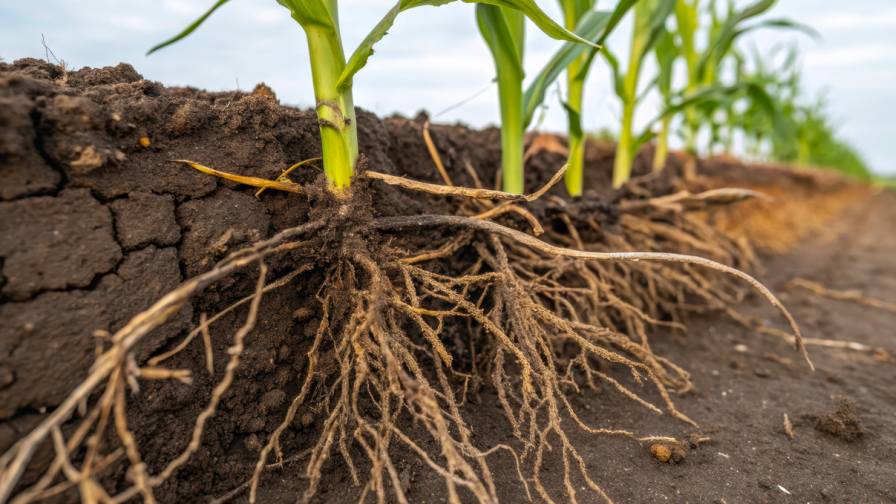
By adding a soil deposition adjuvant, they can extend that window, delivering longer control of troublesome weeds. This is an important breakthrough, especially in light of technologies where fields are only spot-treated with post-emergent applications. Preemergent chemistry will continue to play a vital role in an integrated weed management strategy.
Building on that foundation, moisture management is emerging as another important area of innovation within soil chemistry. These products are typically applied through irrigation systems or sprayed directly onto the field.
The result is improved availability of both water and nutrients, allowing crops to make more efficient and consistent use of these resources. As this market continues to advance, formulators are thinking outside the box by exploring new raw materials and novel combinations that haven’t traditionally been used for these applications.
Drone Adoption Increasing Demand for Ultra‑Low‑Volume Adjuvants
Innovation is also accelerating above the crop canopy. Agricultural drones have grown rapidly in both adoption and market share.With this exciting new technology comes the need for more concentrated, customized adjuvants.
Companies are investing significantly more in research and development to identify products that optimize pesticide performance through the unique spray characteristics of drone nozzles and ultra-low-volume applications.
Biostimulant Adjuvants
The advancement of adjuvant technology extends well beyond application methods. Bio-stimulants represent one of the fastest-growing categories in modern crop production, and their intersection with adjuvant technology is opening new possibilities for growers.
While traditional adjuvants were designed to improve the physical delivery and performance of crop protection products, biostimulants work differently. They enhance the plant’s own physiological processes, improving nutrient uptake, stress tolerance, and overall vigor.
When these two technologies come together, the result is a product that delivers an active ingredient more effectively and helps the plant make better use of it.
Multifunctional Adjuvants Streamlining Tank Mixes, Maximizing Efficacy
As these technologies mature, the market is moving toward greater product integration. The agricultural industry is embracing multifunctional adjuvants, which are engineered to perform several functions that once required multiple separate additives.
Instead of loading a water conditioner, surfactant, drift reduction agent, and defoamer individually, a grower can reach for one product that delivers these functions simultaneously.
The value of a multifunctional adjuvant ultimately depends on how well each function performs. Conditioning water, improving coverage and uptake, managing drift, and controlling foam must perform as well as or even better than the individual components they replace because the functions are designed to complement one another.
When that performance is combined with the efficiency of a single product, the result is a compelling value proposition: fewer products to purchase, more room in the tank, faster loading, and more consistent field performance.
Global Market
As innovation continues to reshape product performance, the broader business environment is changing just as quickly. The global adjuvant market will be defined by three accelerating trends:
- rising raw material costs,
- intensifying competition, and
- an increasingly restrictive regulatory landscape.
Geopolitical instability, including ongoing uncertainty surrounding the Strait of Hormuz, coupled with competing demand from industries such as biodiesel and other global supply chain pressures, will continue to drive input costs higher.
At the same time, suppliers must navigate heightened competitive pressure while adapting to regulatory requirements, particularly in the European Union and Canada, where some of the world’s most rigorous registration and compliance standards continue to shape product innovation, market access and long‑term commercial strategy.
Those who embrace innovation today will be the ones shaping the future of agriculture tomorrow.
Read more articles like this one in AgriBusiness Global’s 2026 Adjuvants Deep Dive.
Get The Newsletter Today!