Enko and Syngenta Advance Novel Fungicide Chemistry
Enko Chem, Inc. announced that its novel fungicide chemistry has advanced to a second year of field testing. First-season trials spanning Europe, North America and Asia demonstrated that disease control first observed in the greenhouse translated to real-world field conditions.
The milestone marks an important step in Enko’s efforts to bring new modes of action to crop protection. Fungal diseases threaten crop yields worldwide, while the development of resistance to widely used fungicides continues to reduce growers’ effective disease management options. Discovering chemistry that acts on a different biological target will provide growers with a new tool to control difficult diseases and help manage resistance.
The fungicide chemistry originated through Enko’s ENKOMPASS discovery platform, which is designed to identify previously unexplored biological targets and discover novel molecules with the potential to address unmet needs in crop protection.
“Fungicide researchers have pursued this target for decades,” said Tony Klemm, CEO of Enko. “ENKOMPASS delivered chemistry that acts on a new target, and a full season in the field provides further confirmation. This is exactly what the platform was built to do. Advancing into a second season of field testing is an important milestone in demonstrating how our discovery approach can translate scientific breakthroughs into potential solutions for growers.”
Field testing was conducted in collaboration with Syngenta Crop Protection, which evaluated leading compounds under a range of growing conditions.

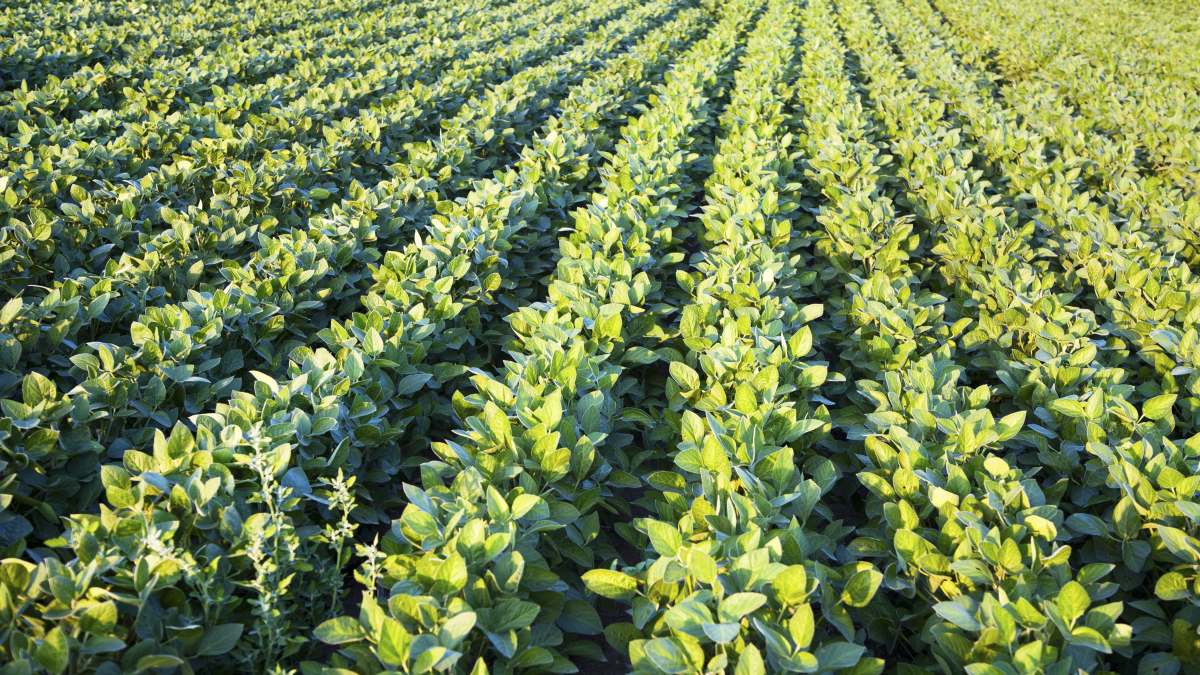

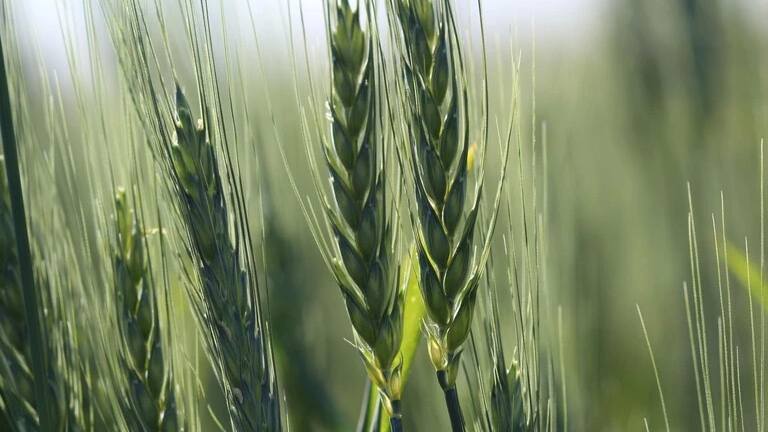
The first-season findings build on promising greenhouse results and provide an encouraging foundation for continued development. Demonstrating disease control across multiple geographies and under real-world conditions represents an important step in evaluating the chemistry’s potential.
A second season of field trials will build on the initial findings. The additional data will help inform decisions about the chemistry’s potential development and advancement toward a new fungicide option for growers.
Get The Newsletter Today!