Glyphosate Policy, Legal Battles Heat Up
 23 February 2026
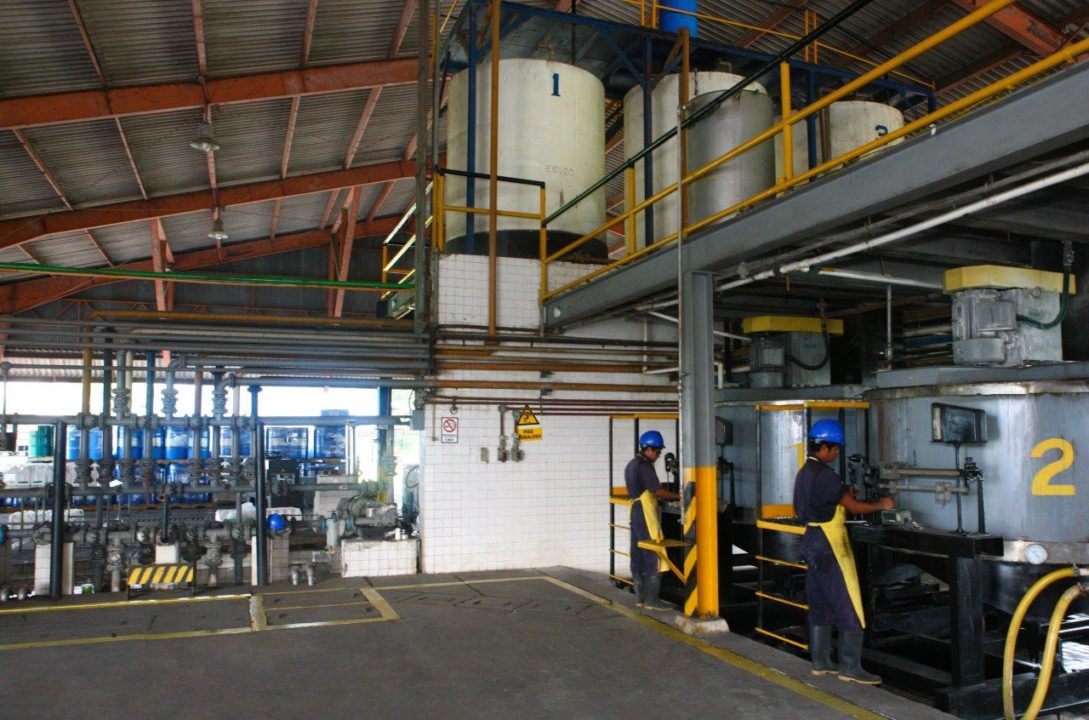
 Washington is no longer treating glyphosate solely as a litigation issue. A February 18 Executive Order invoking the Defense Production Act to prioritize domestic manufacturing of glyphosate and elemental phosphorus signals a broader policy shift: certain crop protection inputs are now being viewed through a national supply resilience lens.
By using defense production authority rather than traditional agricultural policy tools, the administration has effectively elevated glyphosate into a category typically associated with semiconductors, energy systems, and critical minerals. The move suggests federal policymakers see uninterrupted access to key herbicides as foundational to food system stability, particularly amid trade disruptions and geopolitical uncertainty.
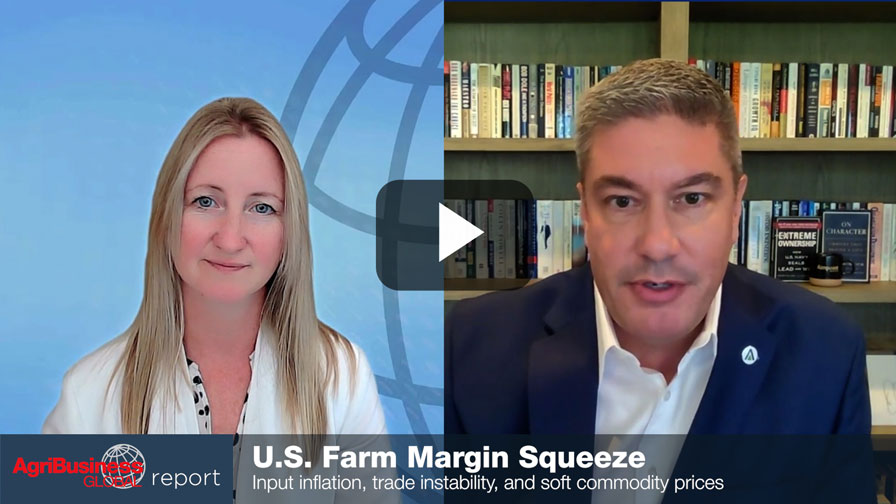
In a statement to AgriBusiness Global, Bayer said the order “reinforces the critical need for U.S. farmers to have access to essential, domestically produced crop protection tools.” The framing reflects a structural shift — from debating glyphosate primarily in courts to assessing it as part of domestic manufacturing security.
The designation comes as Bayer advances a $7.25 billion settlement proposal tied to Roundup litigation and awaits a Supreme Court decision on federal preemption. Yet the Executive Order stands on its own: it assumes glyphosate remains central to U.S. agriculture and signals that policymakers are preparing for supply risk scenarios regardless of how legal questions resolve.
Whether this marks a one-time action or the beginning of broader “critical input” classifications remains to be seen. What is clear is that glyphosate is now being discussed not just as a herbicide, but as infrastructure.


CropLife and AgriBusiness Global will continue to track these developments as the story unfolds.
Get The Newsletter Today!