Syngenta and Amoéba Seal Exclusive European Distribution Deal, Aiming to Bring a Breakthrough Biofungicide to Cereal Growers
Syngenta Crop Protection AG and Amoéba have announced an exclusive supply and distribution agreement for a next-generation biocontrol fungicide (formulation AXP20), based on the lysate of the amoeba Willaertia magna C2c Maky (EU 2025/1177). The agreement converts the companies’ November 2025 Memorandum of Understanding (MoU) into a binding, long-term commercial and development partnership, with the product to be commercialized under a Syngenta trademark once registered.
The deal arrives at a pivotal moment as European cereal growers face a shrinking crop protection toolbox amid tightening regulation and mounting pathogen resistance.
First market registrations are expected for Q3 2028. First sales in core EU markets are expected by the end of 2028 for use by farmers in spring 2029 in wheat, spelt, and triticale (spring and winter).
A critical tool against Europe’s costliest cereal threats
Under this agreement, Syngenta will be the exclusive distributor of the biofungicide for all cereals (except corn) across the EU-27, the United Kingdom, Ukraine, and Switzerland, targeting firstly the two most economically damaging fungal diseases in European cereals: septoria tritici blotch (Zymoseptoria tritici) and yellow rust (Puccinia striiformis).
The scale is significant. Together, these diseases affect an estimated 9 to 12 million hectares annually. In Germany alone, septoria drives yield losses of 5% to 50%, costing farmers up to €1.5 billion every year, while yellow rust can slash yields by 10% to 70% and cause total crop failure in susceptible varieties, according to recognized industry and academic sources.


Matthew Pickard, Syngenta’s Head of Seedcare and Biologicals for Europe, said: “With conventional crop protection facing mounting regulatory and resistance headwinds, this next-generation biofungicide arrives at exactly the right moment – a genuine breakthrough for our biocontrol portfolio and for every cereal farmer looking to protect their yields and strengthen the resilience of their farming system.”
A distinct mode of action for modern crop management
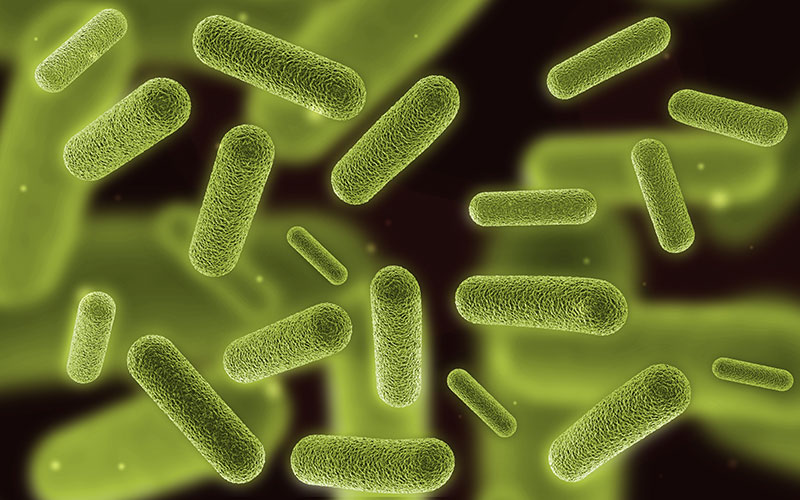
A key differentiator of this technology lies in its unique biological origin. Derived from a single-celled amoeba, it works mainly by inhibiting the germination of fungal spores. In field trials, it has shown strong efficacy against both septoria and yellow rust while activating the plant’s own natural defenses – a dual performance that makes it a natural fit for integrated crop management and a valuable tool for resistance management.
Owing to its multisite, multi-mechanism activity, the lysate of Willaertia magna C2c Maky is classified by the Fungicide Resistance Action Committee (FRAC) under Group BM02—biologicals with multiple modes of action—with no known resistance and a low to very low resistance risk.
This significant potential is backed at the highest level: the active substance received EU approval in 2025 following EFSA’s assessment. In June 2026, Amoéba secured its marketing authorization in France for AXPERA, a biofungicide based on the same technology. This landmark approval clears the path for other Member States to finalize national authorizations in the coming months, accelerating the route to market. Furthermore, in October 2025, Amoéba was awarded the prestigious Bernard Blum Gold Medal as the most promising biocontrol solution of the year and its solution was recognized as the innovative solution of the year by professionals in the SIVAL in January 2026.
“Signing this binding agreement with Syngenta is a defining milestone for Amoéba. We are proud to partner with the cereals leader in Europe. Among many other biological solutions, Syngenta’s screening has selected AXP20 as the highest performing biofungicide: our solution is the first next-generation biofungicide able to control both yellow rust and septoria diseases in wheat. For the most important market in Europe, Green for Agro was looking for the best partner with recognized experience launching and marketing biofungicides with cereal growers in Europe,” said Jean-Marc Petat, Managing Director of Green for Agro, Amoéba’s biosolutions subsidiary.
Backed by one of biocontrol’s most ambitious development programs
The partners are putting significant resources behind AXP20. In 2026 alone, Syngenta and Amoéba are jointly conducting more than 70 field trials, with both companies committed to expanding this collaboration further – making it one of the most extensive validation efforts in the biocontrol space.
AXP20 ranks among the key products in Syngenta’s biologicals portfolio. Capable of protecting more than 1 million hectares of cereals across its expanding European footprint, it strengthens Syngenta’s leadership in the biofungicide market for cereals.
Agreement terms and route-to-market
Syngenta holds exclusive distribution rights for all cereals (except corn) across the EU-27, the United Kingdom, Ukraine, and Switzerland.
Both companies are now advancing joint regulatory and field-trial programs across Europe, with first registrations targeted for Q3 2028 in core EU markets and around 2029 in the UK and Switzerland. Beyond wheat, the partnership already envisages extending the product into new crops and geographies as its efficacy profile broadens, reinforcing its potential as a long-term growth platform.
Get The Newsletter Today!