Tecnología agrícola: Seminario web sobre la reducción del uso de insumos químicos para la protección de cultivos
 9 de julio de 2026
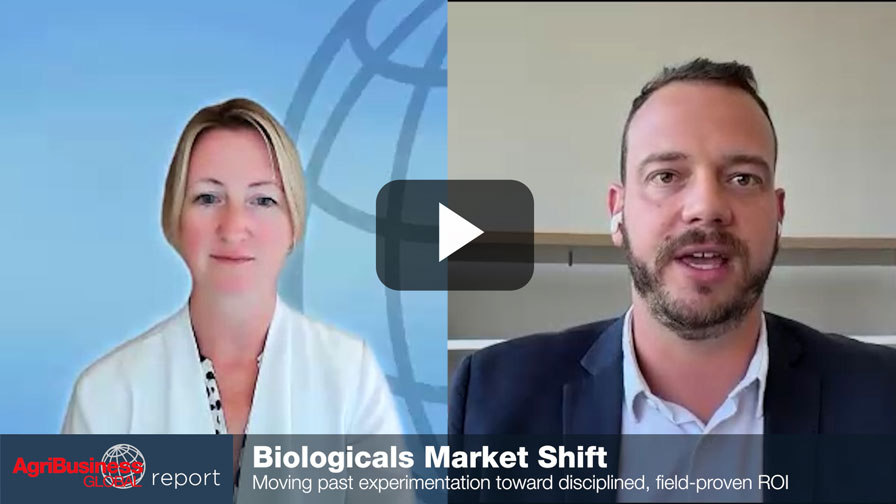
 En una reciente ¡Agronegocios Globales EN VIVO! En un seminario web sobre cómo la tecnología agrícola puede ayudar a reducir el uso de insumos químicos en los cultivos, Robert Finger, profesor de Economía y Política Agrícola de la ETH Zúrich/Instituto Federal de Tecnología de Zúrich, analizó las implicaciones de mercado más amplias de las tecnologías agrícolas que reducen el uso de productos sintéticos, la evolución de las expectativas de los clientes y el futuro de la producción de alimentos.
En la sección de preguntas y respuestas, Finger respondió a las preguntas de los asistentes sobre la mentalidad de los agricultores, qué sectores agrícolas están mejor preparados para adoptar tecnologías de protección de cultivos de precisión y otros temas.
P: ¿Cómo cree que está cambiando la mentalidad de los agricultores? Por ejemplo, si un agricultor tiene una plaga atacando su cultivo y no puede permitirse los daños ni está dispuesto a arriesgarse a usar productos menos agresivos, ¿cómo comunicamos estos cambios como sector?
Robert Finger: Planteas un punto crucial. Aspectos como el riesgo, la percepción del riesgo y la preferencia por el riesgo influyen en las decisiones sobre el manejo de plagas. Las medidas para lograr un manejo de plagas más sostenible y las nuevas tecnologías suelen asociarse con una mayor percepción del riesgo, lo que puede dificultar su adopción.
P: ¿Qué sectores agrícolas están mejor preparados para adoptar tecnologías de protección de cultivos de precisión y por qué?
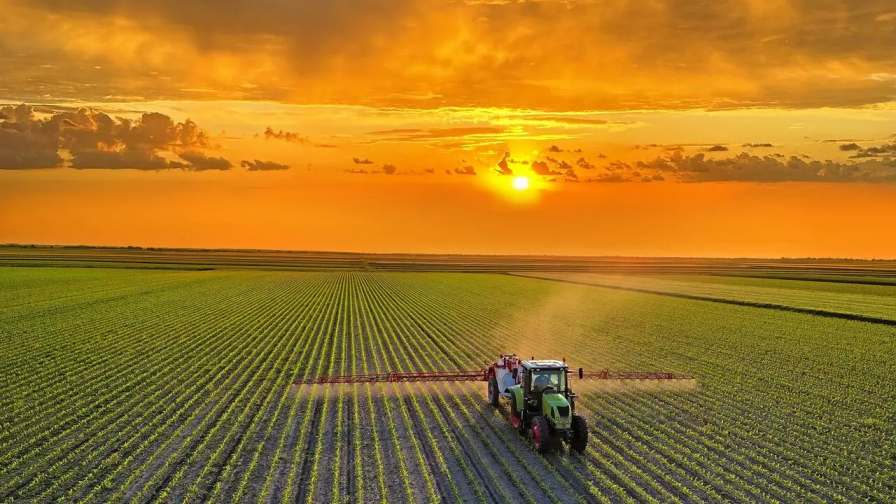


RF: Actualmente, observamos diferencias significativas en la adopción de tecnologías de protección de cultivos de precisión entre distintos países. En primer lugar, existen grandes diferencias entre países (por ejemplo, la adopción es mayor en Estados Unidos que en Suiza). En segundo lugar, existen grandes diferencias entre cultivos (por ejemplo, la adopción es mayor en hortalizas que en cultivos extensivos). En tercer lugar, existe una disparidad entre las explotaciones agrícolas, siendo las de mayor tamaño las más adecuadas para el uso de la tecnología. Es probable que esta heterogeneidad persista en el futuro. Sin embargo, abordar estas disparidades podría ser una tarea política importante.
P: ¿Podría hablarnos más sobre el papel que desempeñarán la IA y el análisis de datos en el futuro de la formulación y aplicación de productos para la protección de cultivos?
RF: Muy buen punto. En definitiva, la IA está presente en casi todas las soluciones, ya sea para la identificación de malezas, gemelos digitales o nuevas formas de extensión agrícola. Por lo tanto, como en todos los demás sectores económicos y ámbitos de la vida, la IA será crucial para el futuro de la protección de cultivos. Si bien esto conlleva beneficios potenciales, también implica riesgos y costos. Es necesario equilibrarlos y gestionarlos adecuadamente.
¡Obtenga el boletín hoy!