BTU y BINFIELD lanzan un fertilizante NPK con recubrimiento microbiano tras cinco años de desarrollo.
BTU y BINFIELD Tras completar un ciclo de desarrollo de cinco años, se ha iniciado la producción industrial de un producto elaborado con tecnología de recubrimiento microbiano: la aplicación uniforme de un consorcio de microorganismos beneficiosos directamente sobre gránulos de fertilizante mineral NPK. Se trata de uno de los pocos casos en los que el componente biológico no se añade al fertilizante en el depósito, sino que se integra en él durante la fase de producción, y ha recorrido todo el camino desde una cepa de laboratorio hasta un producto comercial.
Cronograma del proyecto
2020. BTU (una empresa de biotecnología con su propia colección de microorganismos) y BINFIELD (un productor de fertilizantes minerales) se propusieron un objetivo común: crear un fertilizante complejo que no solo contuviera N, P y K, sino que también activara la disponibilidad de estos elementos a partir de las reservas del propio suelo. La idea: integrar movilizadores de fósforo y potasio directamente en el gránulo.
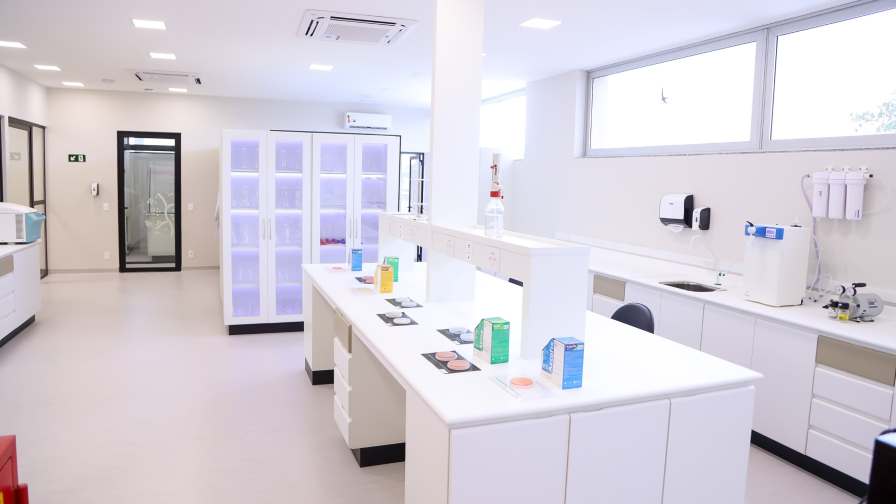
2020–2024. La etapa de I+D. Se analizaron más de diez cepas en el museo de microorganismos de BTU. El consorcio microbiano final comprende cinco especies: Bacillus subtilis y Bacillus licheniformis, Paenibacillus mucilaginosus y Paenibacillus polymyxa, y Priestia megaterium. Cada grupo desempeña su propio papel: los bacilos estimulan el crecimiento y la inmunidad de las plantas, actúan como antagonistas de hongos y bacterias patógenas y movilizan fósforo; las cepas de Paenibacillus producen fosfatasa, fitohormonas y un amplio espectro de enzimas líticas; Sacerdotisa megatercio Libera fósforo de sus formas ligadas y produce silicasa, una enzima que aumenta la movilidad del silicio y el potasio. Paralelamente, se perfeccionó la tecnología de aplicación: cómo distribuir el consorcio de manera uniforme sobre la superficie del gránulo, cómo mantener la viabilidad de las bacterias dentro del fertilizante final y cómo lograr que el proceso sea reproducible a escala industrial.
La decisión tecnológica clave fue el uso de esporas bacterianas. Gracias a su cubierta multicapa, las esporas resisten la presión osmótica del fertilizante mineral y se mantienen viables hasta por 12 meses en un rango de temperatura de 6 a 30 °C. Esto permite almacenar y transportar el producto en condiciones típicas de la agricultura.
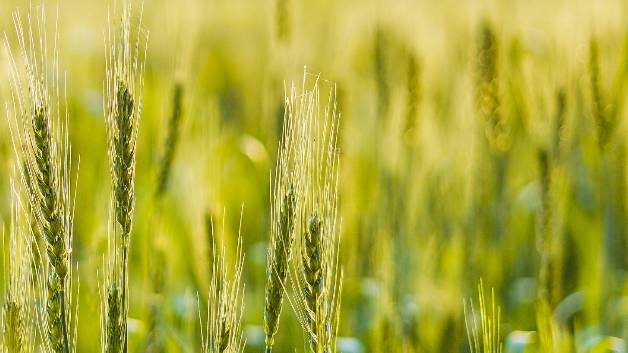
2024–2025. Ensayos de campo realizados bajo diversas condiciones de suelo y clima. Se registró un aumento constante en el rendimiento: soja — +0,25 t/ha, maíz — +0,3 t/ha, trigo de invierno — +0,35 t/ha, girasol — +0,3 t/ha. Los resultados se confirmaron mediante el mapeo del rendimiento de la cosechadora.


2025. El lanzamiento de la producción industrial. El desarrollo tomó forma comercial bajo el nombre de FERTIS ACTIVE NPK.
Por qué es importante para la industria
El recubrimiento de los gránulos con agentes biológicos representa un principio diferente para el aprovechamiento de los recursos del suelo. En lugar de aumentar la dosis de fertilizante, permite incrementar la eficiencia de uso de los nutrientes presentes en el suelo, pero inaccesibles para las plantas en formas difíciles de absorber. La flexibilidad de la tecnología permite adaptarla a diferentes grados de fertilizante y personalizar la composición del consorcio microbiano según el perfil agroquímico de cada suelo.
“El proyecto conjunto con BINFIELD confirmó que la combinación de un fertilizante mineral y un componente microbiológico en un solo producto ofrece a los agricultores un nuevo nivel de eficiencia. Para BTU, esto confirma que las soluciones biológicas no pueden ser un complemento, sino una parte integral de las tecnologías agrícolas modernas”, declaró Vladyslav Bolokhovskyi, director ejecutivo y cofundador de la empresa de biotecnología BTU.
“Cinco años de trabajo demostraron lo fundamental: la tecnología funciona no solo en el laboratorio ni en un solo cultivo. En una sola operación de campo, el agricultor recibe una fertilización de calidad y una mayor disponibilidad de nutrientes provenientes de las reservas del suelo”, afirmó Oleksiy Hrabovskyi, director de Agro-Service y cofundador de BINFIELD.
¡Obtenga el boletín hoy!