AgriBusiness Global on the Road: SICIT Group Dedicates New Plant in Leon, Mexico
 12 November 2026
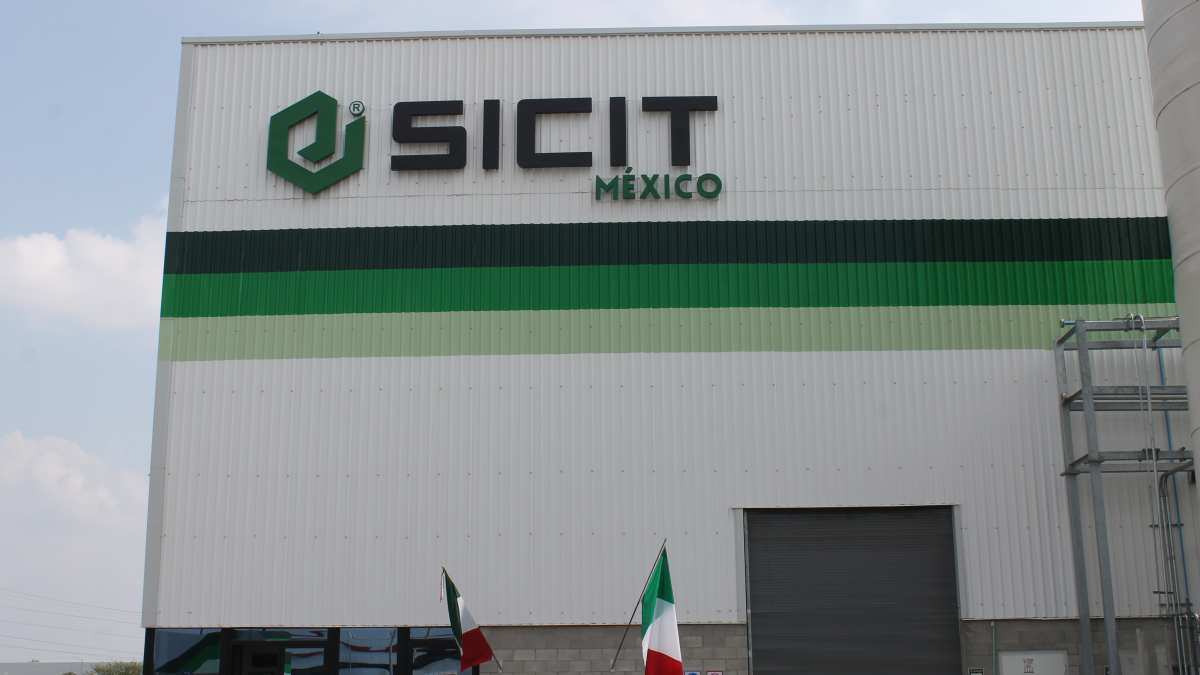
The SICIT Leon Mexico plant is capable of producing 50 tons of finished products per day.
On November 10, Italy’s SICIT Group formally dedicated its newest production facility in Leon, Guanajuato, Mexico. According to Sergi Barrull, CEO, the 550,000-square-foot plant is the latest example of the market principles the company was founded on back in 1960.

Sergi Barrul
“Leon represents SICIT’s first international expansion in production outside of Italy, and our fourth production plant overall,” said Barrull. “This is another part in our company’s commitment not only to one of Latin America’s key industrial markets but to the circular economy concept SICIT is known for worldwide.”
SICIT’s circular economy model sees the company recover residues from the production cycles of the tanning industry that would otherwise be discarded as waste. This allows SICIT to reduce the economic and environmental burden of disposing of these residues and instead turn them into new sustainable products such as biostimulants for agriculture, gypsum retarders, and alternative feed sources for biofuel production.


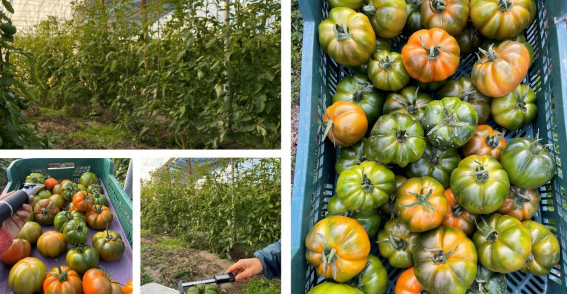
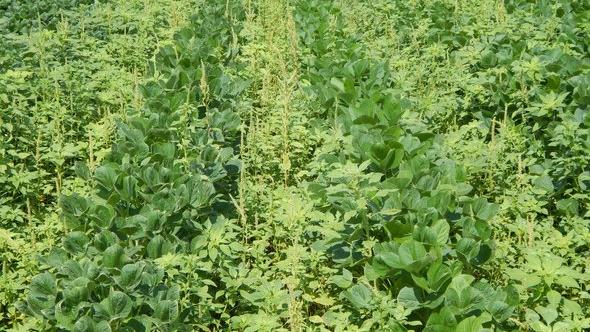

The Leon plant, which mimics SICIT’s production facilities in Italy in design and function, represents a more than $44 million investment in furthering the company’s ability to meet the demand for these products from its customers. The plant runs 24 hours a day, five days a week, with three eight-hour shifts of workers overseeing the operations.
In addition, said Franz Prieschl, Chief Commercial Officer, today’s market is primed for utilizing the kinds of products SICIT produces in greater amounts as agriculture moves forward.
“Truthfully, the market for SICIT products was right when we first started this plant expansion project three or four years ago,” said Prieschl. “Now, the market is moving toward more use of products such as biostimulants. Crop yields are high, but growers are still looking for new input solutions to keep growing them.”
Turning Waste into Worth
At the Leon plant, SICIT converts waste residues from the tanning industry and turns this into numerous sustainable products. Part of the reason for placing the new facility in this part of Mexico, said Barrull, is because the region has a long history of producing leather goods.
“SICIT has collected these leather waste products, called wet blue because of the color that comes from the chromium salts used on them, for many years across Europe and Brazil,” he said. “But Mexico represents a whole new source of these raw materials for us to process.”
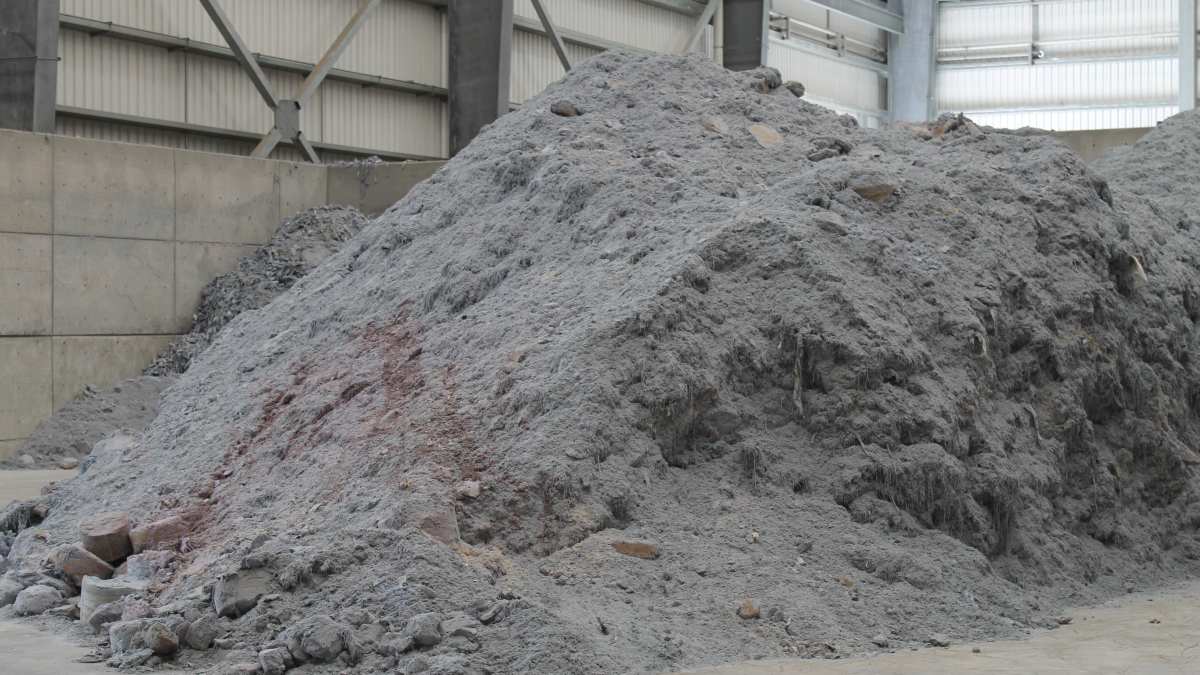
The raw materials SICIT uses at its Leon Mexico facility is called wet blue. It is a waste residue from the tanning industry that the company reclaims to make several products including biostimulants.
For its production at the Leon plant, SICIT procures wet blue trimmings and shavings for tanning producers. At the plant, these wet blue materials are first ground into fine particles through a series of shredders. These are then mixed with water and lime and heated to separate the chromium salts from protein hydrolysates.
Through proprietary chemical processes, the protein hydrolysates can then be formulated into end products such as animo acid-based biostimulants for agriculture. SICIT markets these hydrolyzed proteins under the name PepIQ. Products containing PepIQ peptides are distributed across the world in biostimulant brands through partnerships with global crop protection companies such as BASF, Bayer, and Syngenta. According to SICIT, these brands are used on approximately 60 to 70 million crop acres annually.

Franz Prieschl
With the Leon plant now up and running, Prieschl said that SICIT is ready to begin a broader expansion across the Americas.
“We’ve seen much greater demand for biostimulants coming from across Latin America in recent years, so the proximity of the Leon plant will allow use to better serve those markets,” he said. “But it will also give us the opportunity to begin expanding into the U.S., too. It’s always dangerous to go into the U.S. market with biostimulant products because it is a very crowded segment with some trust issues. So, you have to have a solid product and plan in place.”
This is exactly what SICIT is planning to do. According to Barrull, one of the newest raw materials SICIT is working with is a plant called moringa. A drought-resistant tree native to South Asia, moringa is fast growing, capable of reaching 10 to 15 feet in height in a single season, and grows best in full sun/warm climates. Moringa contains nine essential animo acids and is rich in vitamins A, C, and E. It also contains iron, calcium, potassium, and magnesium.
“We are growing lots of acres of moringa here in Mexico,” he said. “It does very well in this climate and allows us to harvest lots of plants for processing.”
Moringa will provide the source materials for a new biostimulant product SICIT is planning to bring to the U.S. market during the 2027 growing season. According to Barrull, this as-yet unnamed brand can help row crops in the field recover from climate-induced stress.
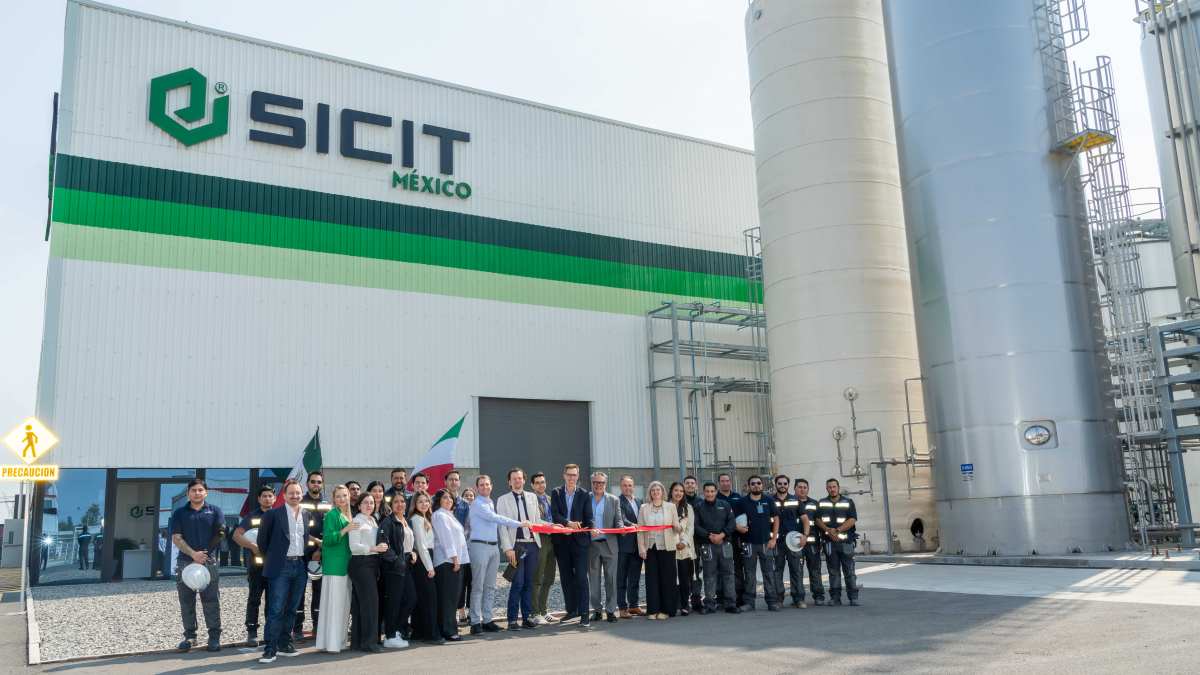
On November 10, Italy’s SICIT Group formally dedicated its newest production facility in Leon, Guanajuato, Mexico.
“This new product will be marketed to corn growers, and SICIT is working with a partner in the U.S. market to make this happen,” he said.
Barrull added that the formal announcement of this product launch/company partnership will be made at the 2026 Biocontrol Summit in Sacramento, CA, in early December.
Get The Newsletter Today!