Surfactantes: Cadeia de Suprimentos, Formulações e Regulamentações
 3 de setembro de 2026
 Hoje, sem o uso diário de surfactantes, cujo mercado anual gira em torno de 20 milhões de toneladas métricas e 1,4 trilhão de dólares, não existiria a civilização moderna como a conhecemos.
Na década de 1930, no entanto, os chamados surfactantes sintéticos, baseados em cadeias alquílicas petroquímicas, impulsionaram o crescimento dessa classe de ingredientes químicos, levando-os a quase todas as áreas de atividade que sustentam a vida civilizada como a conhecemos, incluindo a agricultura.
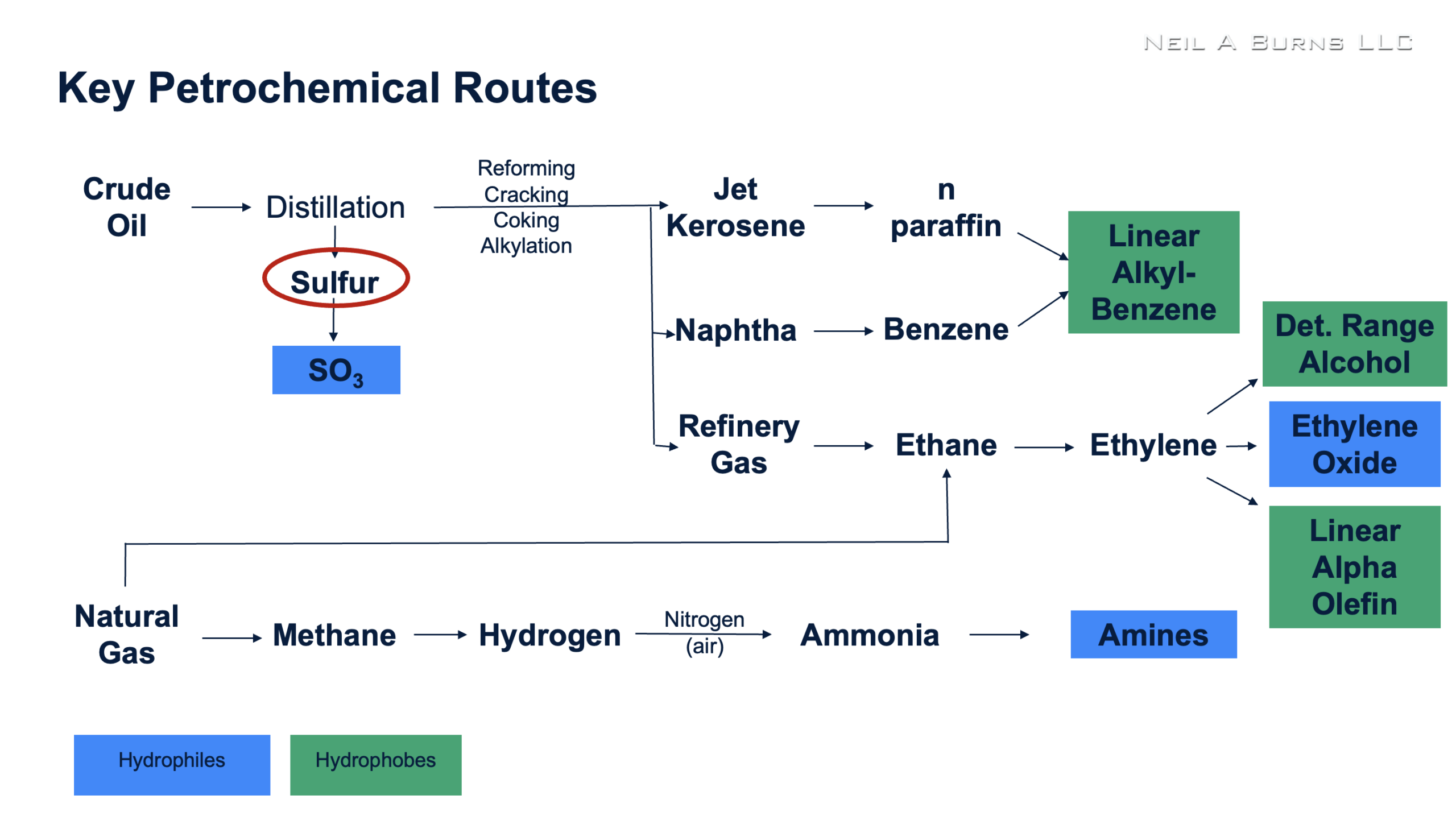
Figura 1. Clique na imagem para ampliá-la.
A cadeia de suprimentos de surfactantes se baseia em dois pilares: petróleo e gás e plantações de palma.
Pelo menos cerca de 90% da massa de surfactantes provém desses dois pontos de partida. A indústria petroquímica é fundamental para os surfactantes, fornecendo matérias-primas essenciais como etileno, benzeno, parafinas e enxofre amônia, conforme ilustrado na Figura 1.



A principal contribuição das plantações de palma é mais específica, mas igualmente importante: o óleo de palmiste. Este óleo representa quase 101 TP3T da produção total de óleo da plantação, e seu principal uso é como matéria-prima para a produção de álcoois detergentes à base de oleoquímicos, que são posteriormente etoxilados e/ou sulfatados para a fabricação de surfactantes. A Figura 2 ilustra isso.
Duas tendências que afetam o desenvolvimento e a aplicação de surfactantes
Regulamentos
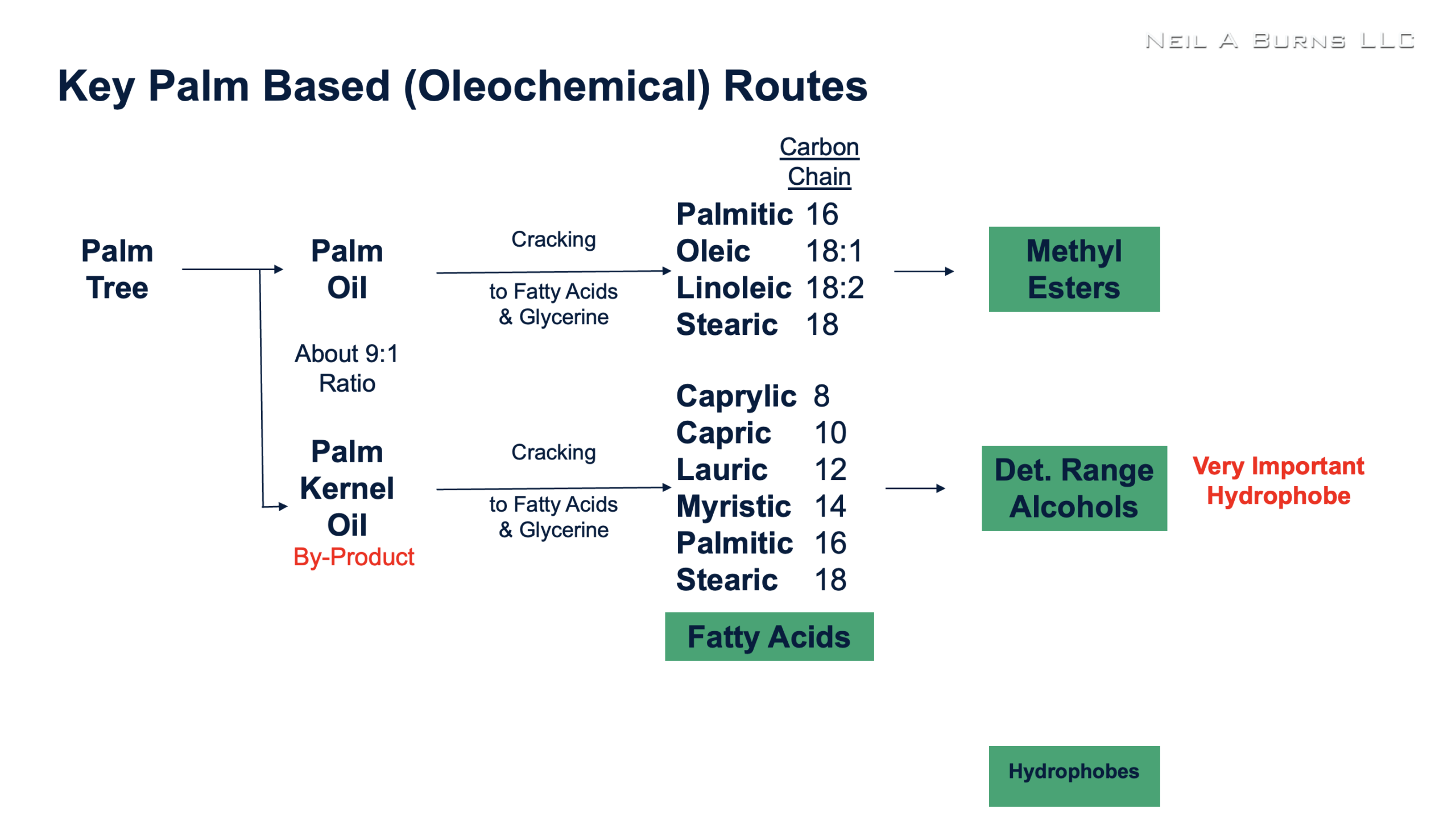
Figura 2. Clique na imagem para ampliá-la.
A regulamentação de surfactantes tornou-se muito mais ativa nos últimos anos. Em Nova York e na Califórnia, por exemplo, a restrição da contaminação por dioxano em produtos de consumo a 1 ppm teve um impacto significativo em toda a cadeia de suprimentos de etoxilatos e etoxisulfatos, exigindo investimentos em tecnologia de remoção por parte dos fabricantes de surfactantes e incentivando os usuários a buscarem alternativas químicas.
O Regulamento Europeu sobre o Desmatamento exige um rastreamento e monitoramento dispendiosos e complexos dos insumos derivados do óleo de palma por parte dos fabricantes de surfactantes na UE e dos importadores para a UE. Isso teve o efeito de favorecer os produtos petroquímicos em alguns casos.
Cadeia de mantimentos
Nos últimos 18 meses, a própria cadeia de suprimentos foi afetada pela iminente escassez de parafinas normais para a fabricação de alquilbenzeno linear, favorecendo produtores totalmente integrados como a Sasol e a Moeve.
Do lado das palmas das mãos, existe agora a preocupação com o amplo fornecimento de óleo de palmiste para abastecer quase 1 milhão de toneladas métricas de capacidade adicional de produção de álcool para detergentes, prevista para entrar em operação nos próximos dois anos.
Essas preocupações já existiam antes do início do conflito entre os EUA e o Irã, no final de fevereiro. Some-se a isso as pressões tarifárias e as megatendências de longo prazo relacionadas à sustentabilidade em grande parte do mundo desenvolvido, e fica claro que a cadeia de suprimentos atual precisa de inovação contínua para se manter viável.
Tendências inovadoras
A inovação em surfactantes é abundante e disseminada. Novos biossurfactantes, como soforolipídios e ramnolipídios obtidos por fermentação, foram relatados e alguma produção comercial já foi iniciada.
No entanto, essas não são as únicas inovações importantes. Surfactantes de base biológica, derivados de carboidratos, já estão comercialmente estabelecidos e causando impacto em diversos setores, inclusive na indústria agroquímica.
As empresas também estão trabalhando no uso de produtos de madeira como matéria-prima fundamental para novos surfactantes, e existem até mesmo iniciativas avançadas para criar novos surfactantes a partir do dióxido de carbono extraído do ar.
É importante perceber, no entanto, que o desenvolvimento químico exige tempo e dinheiro, e os surfactantes não são exceção. Num futuro próximo, o maior mercado de surfactantes é composto por derivados de petróleo e de palma, que constituem os dois pilares que sustentam esse componente essencial de produtos de consumo e industriais. Um terceiro pilar, seja ele qual for, ainda está longe de ser desenvolvido.
Leia mais artigos como este na AgriBusiness Global. Análise Detalhada de Adjuvantes - 2026.
Receba a Newsletter hoje mesmo!