


From Plant Intelligence to Field Performance
Brazilian field validation and registrations across four markets
1. ClimaBio: Unlocking Plant Intelligence
Plants possess remarkable biological signaling systems that help coordinate growth, development and responses to changing conditions. ClimaBio, NEWSUN’s portfolio of plant biological signaling technologies, is built on a simple proposition: work with plants’ natural intelligence to support more productive and resilient agriculture.
Natural Brassinosteroid (BR) is a core technology within this portfolio. Its positioning brings together four ambitions—Activate Growth Signals, Balanced Plant Development, Stress Recovery and Sustainable Yield Performance. The latest Brazilian field research helps translate these ideas into measurable agronomic observations, while also showing why crop conditions and application strategies matter.
2. Independent Field Validation Across Brazil
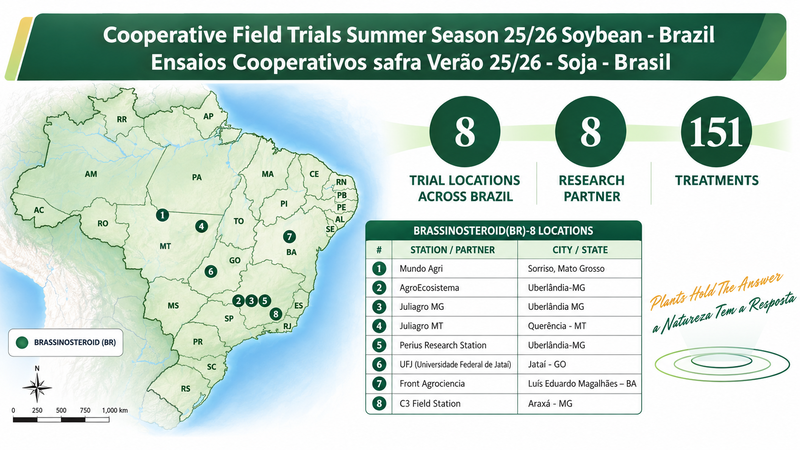
During the 2025/26 season, NEWSUN worked with Brazilian research organizations to examine Natural Brassinosteroid in soybean and corn across different locations, application timings and crop-management programs. The broader program covered eight trial locations, eight research partners and 151 treatment setups.
3. Four Dimensions of Field Performance
I. Coordinated Growth & Biomass Development
The first recurring finding is broader than faster emergence or taller plants: selected BR programs supported the development of multiple plant structures.
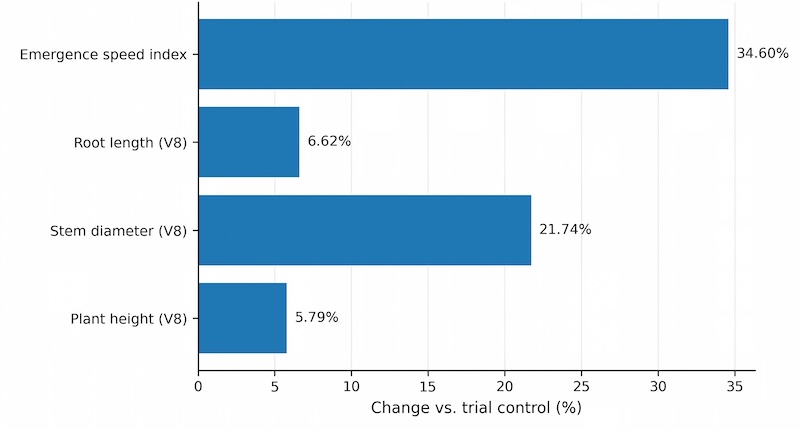
In Juliagro’s corn trial, the complete BR program increased emergence speed index by 34.60%, root length by 6.6%, stem diameter by 21.7% and plant height by 5.8% compared with the control. Beyond faster establishment, these results show how BR can support the development of a stronger and more balanced plant structure.
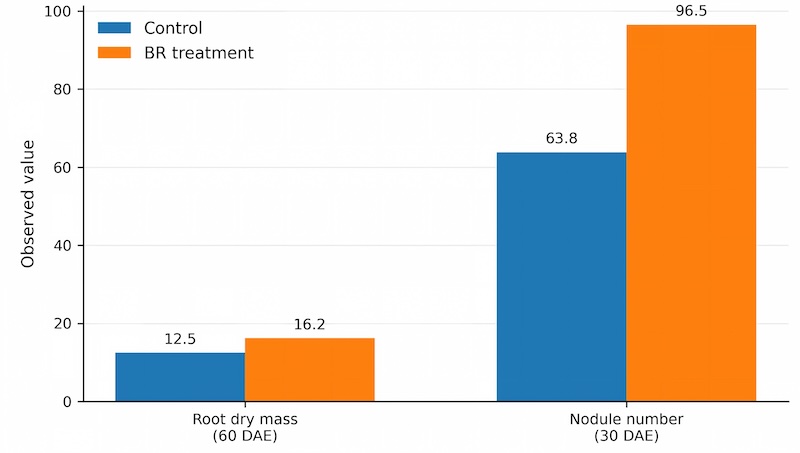
In soybean, Juliagro’s BIO043 study identified treatment-dependent responses in vigor, growth, biomass and nodulation.
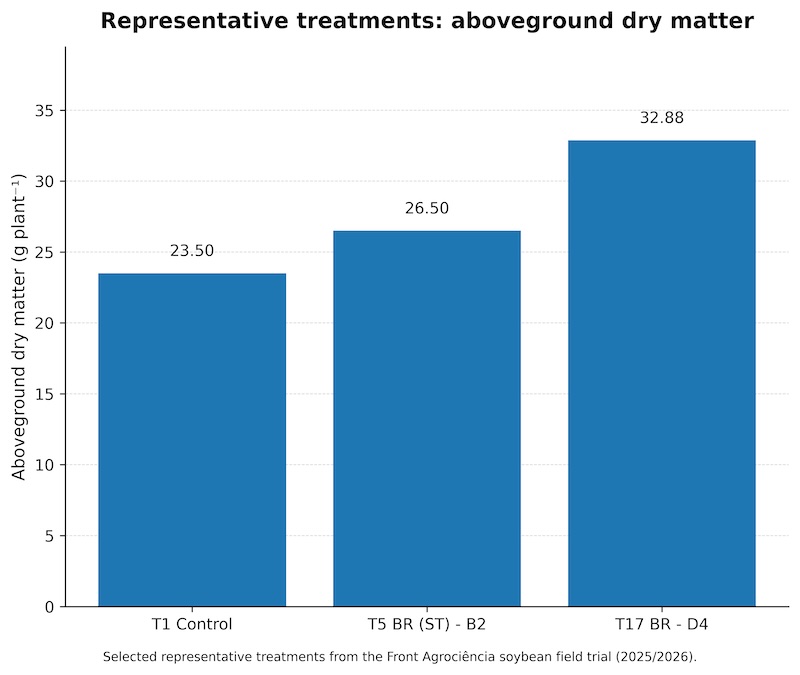
Front Agrociência’s multi-treatment study similarly reported variation in leaf, stem and reproductive dry matter, pointing to the importance of coordinated vegetative and reproductive development rather than growth of a single organ.
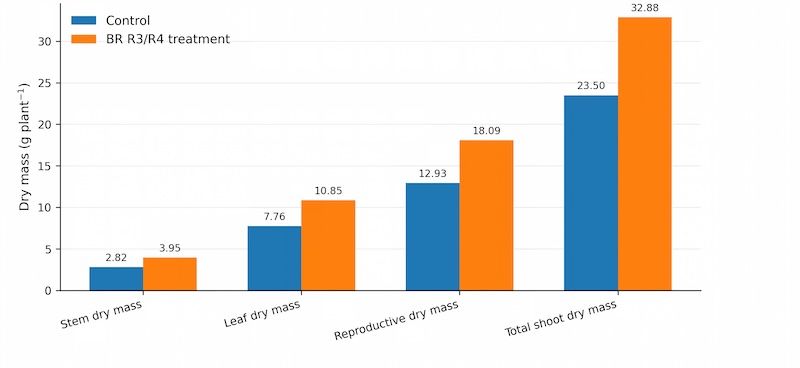
Together, these results highlight the potential of BR to promote coordinated plant development, from root establishment to vegetative and reproductive growth.
II. Physiological Efficiency & Crop Vitality
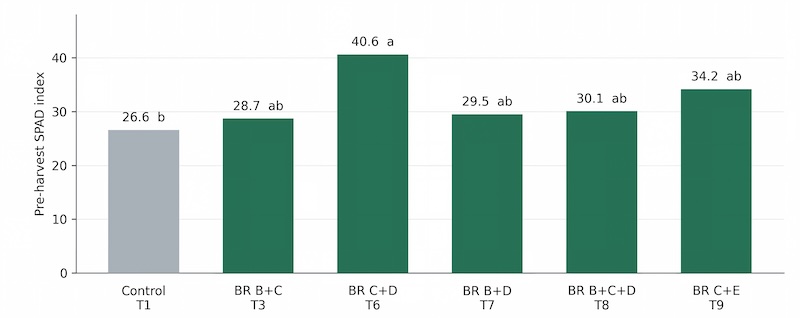
Beyond structural growth, BR treatments also showed changes in physiological indicators associated with leaf function and crop vitality. In Juliagro’s BIO043 soybean trial, the selected foliar BR program (T6, C+D) recorded a pre-harvest SPAD index of 40.6, compared with 26.6 in the control (+52.6%).
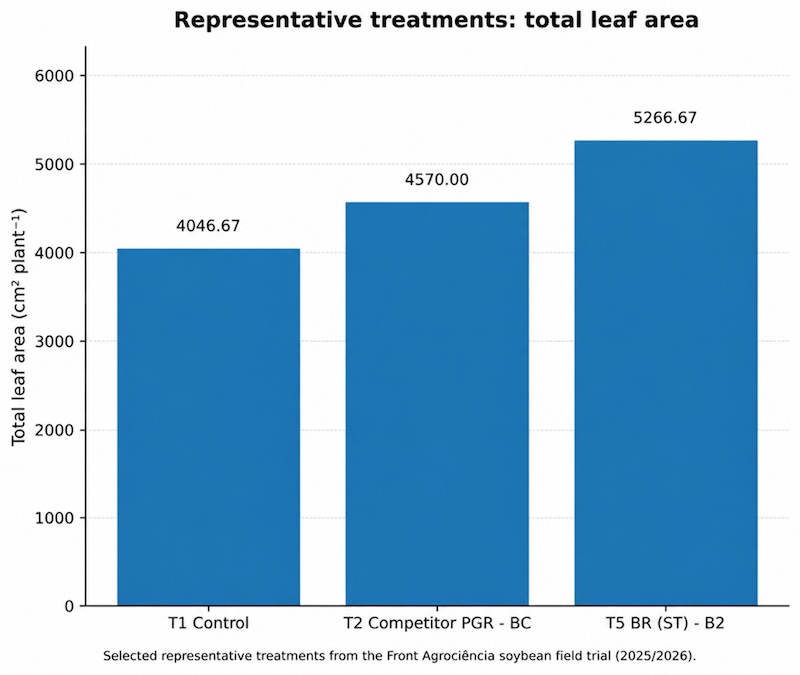
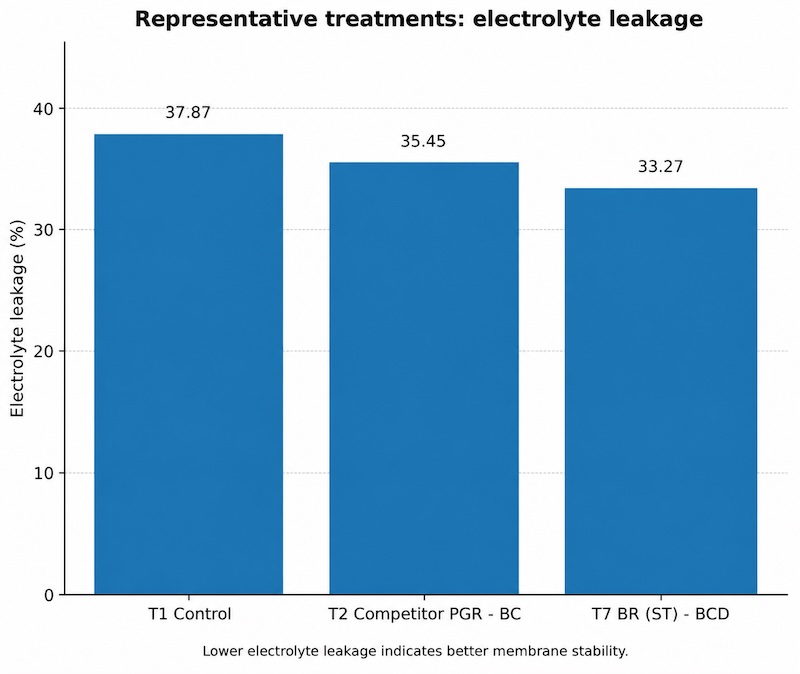
Complementary results from Front Agrociência showed treatment-related differences in leaf area, electrolyte leakage and aboveground dry matter.
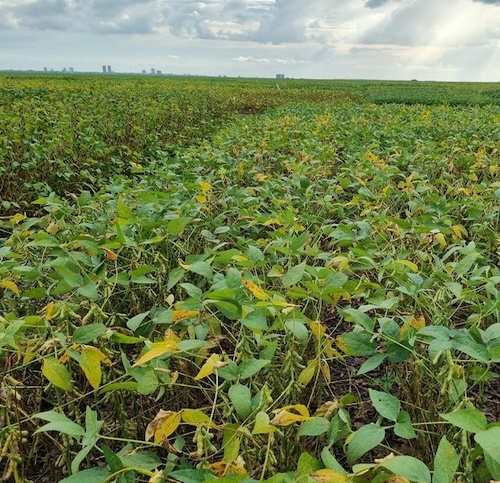
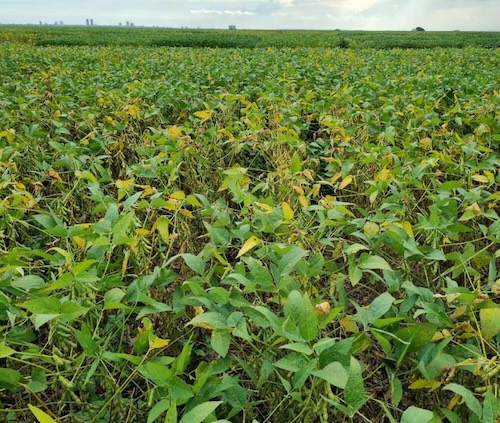
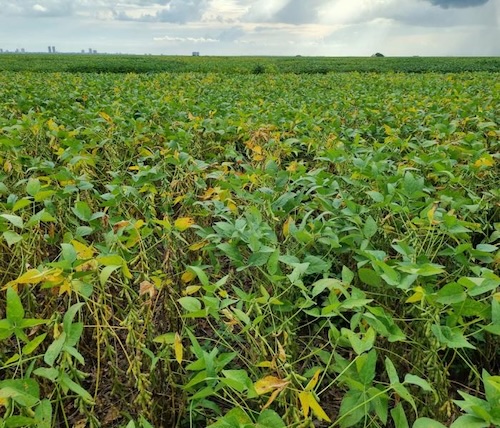
MundoAgri’s 2025/26 soybean report observed that BR selected treatments retained green foliage for longer during the crop cycle.
 |
 |
 |
III. Physiological Stability Under Stress
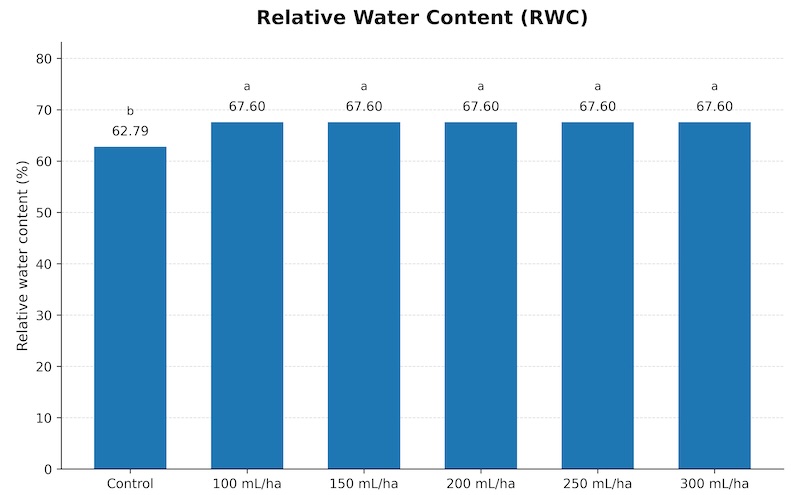
A third area of interest is the ability of plants to maintain physiological function under challenging conditions. Supporting this perspective, Front Agrociência reported treatment-dependent differences in electrolyte leakage, leaf area and relative water content (RWC). In the Brassinosteroid dose trial, RWC increased from 62.79% in the untreated control to 67.60% across all brassinosteroid treatments. This higher relative water content indicates an improved ability to maintain tissue hydration and reduce dehydration under challenging environmental conditions, particularly high temperatures and prolonged drought.
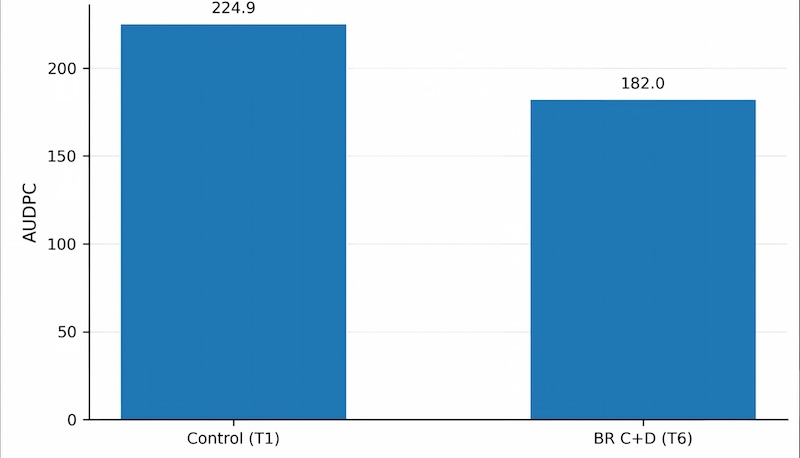
Beyond water status, field observations also revealed encouraging differences in crop health indicators. In Juliagro’s BIO043 soybean trial, the selected BR program recorded a lower accumulated foliar-disease index (AUDPC: 182.0 vs. 224.9 in the control).
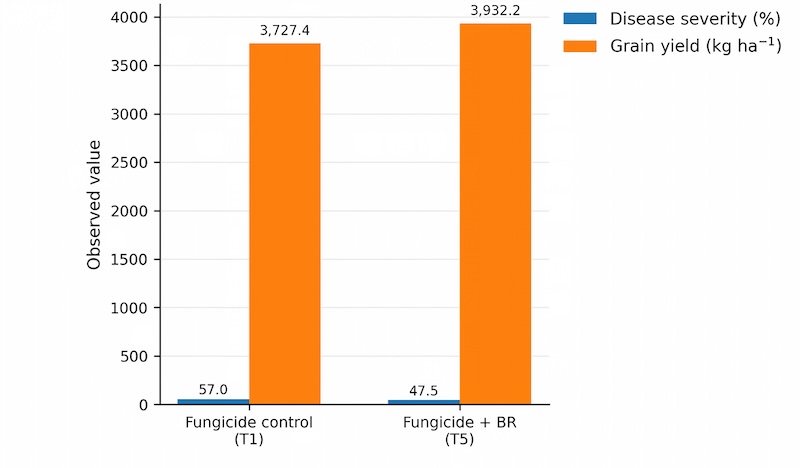
Similarly, Perius Research Station recorded lower disease severity under the leading BR-containing program (47.50% vs. 57.00%) within an integrated crop protection program.
By supporting physiological balance and contributing to favorable field performance, Natural Brassinosteroid offers a promising approach to strengthening crop resilience under variable growing conditions.
IV. Yield Formation & Productivity
The strongest commercial test is whether promising growth and physiological responses can translate into harvest results. Several independent Brazilian studies reported positive productivity responses under selected BR programs, with different effect sizes and statistical strength.
Beyond individual trials, an aggregated CRO productivity summary organized by BR application strategy indicated positive numerical yield responses across several treatment categories. Relative to the common control baseline reported in that summary, foliar BR applications at B+C showed the highest numerical increase (+13.5%), closely followed by BR seed treatment (+13.4%). Additional foliar programs recorded increases of +11.0% for B+C+D, +10.7% for C+D, and +8.2% for B+D. These results suggest that both seed treatment and selected foliar application schedules may offer promising approaches for improving crop productivity.
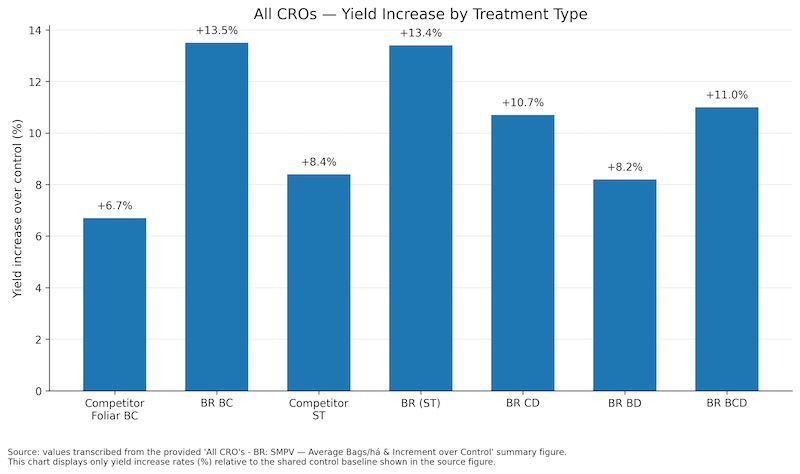
The overall message is not that every application raises yield, or that more applications are always better. Rather, independently conducted research suggests that well-positioned plant signaling programs can contribute to crop productivity—and that continued refinement is essential for consistent field value.
4. From Field Validation to International Market Access
Beyond the field findings, NEWSUN’s Natural Brassinosteroid-based products have secured registrations in Brazil, Canada, Ecuador and Vietnam, extending regulatory access across Latin America and Asia.
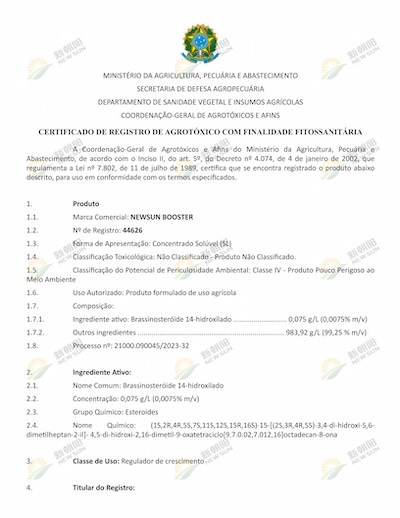
Brazil
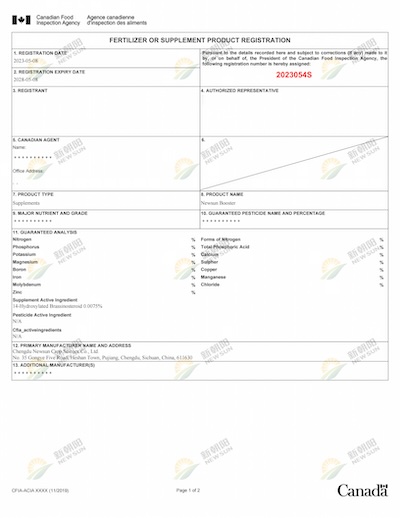
Canada
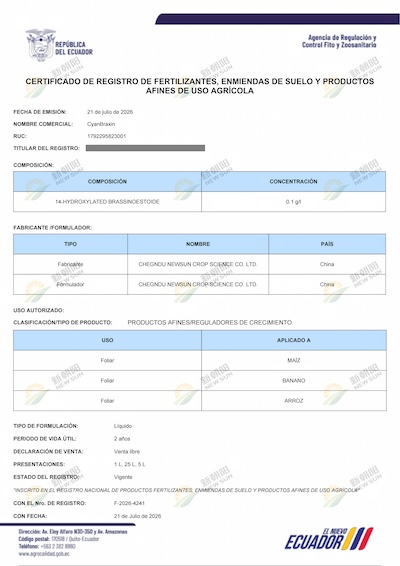
Ecuador
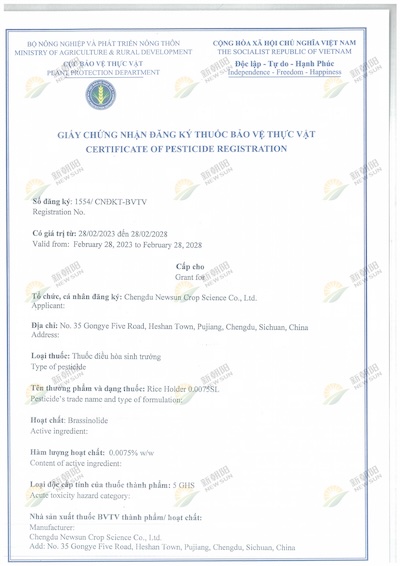
Vietnam
Registrations in Brazil and Canada are particularly meaningful milestones. Both are major agricultural markets with demanding regulatory requirements. Securing registration in these markets reflects the work behind product development, technical data generation and product-specific regulatory submissions.
Together, the registrations across all four countries mark an important step in translating Natural Brassinosteroid technology into registered products for diverse agricultural markets.
5. From Science to Agricultural Value
The field findings across growth, crop vitality, stress response and yield formation reinforce the importance of tailoring application strategies to crop and production conditions. NEWSUN will continue to advance Natural Brassinosteroid through third-party field validation and market development.
Natural Brassinosteroid — Plants Hold the Answer