Mobile Refrigeration Technology Enables Biologicals Distribution in Off-Grid Growing Regions
Agricultural biologicals are transforming modern farming. From microbial crop protection products to biofertilizers and biostimulants, these solutions help growers improve yields while reducing reliance on synthetic chemicals. However, without reliable cold chain infrastructure, even the most advanced biological products can lose their effectiveness before they reach the field.
The Expanding Market for Agricultural Biologicals
Demand for agricultural biologicals continues to accelerate as farmers look for more sustainable ways to protect crops and improve soil health. The global agricultural biologicals market reached approximately $32.15 billion in 2025. This was driven by:
- Rising demand for sustainable farming practices
- Stricter regulations on synthetic crop protection products
- Greater focus on improving soil health and biodiversity
- Increasing climate pressures that require more resilient crop inputs
- Advances in microbial technology and biological formulations
- Growing adoption of integrated pest management strategies
- Expansion of organic and premium agricultural markets
As adoption increases, manufacturers face the challenge of ensuring temperature-sensitive products maintain their quality from production to application.
Addressing the Critical Last-Mile Distribution Gap
Unlike many conventional agricultural inputs, biological products often contain living microorganisms or naturally derived active ingredients that are highly sensitive to temperature fluctuations. Exposure to excessive heat, freezing conditions or prolonged storage outside recommended ranges can reduce their viability and effectiveness.
This creates a significant “first-mile” and “last-mile” challenge. Products may leave climate-controlled manufacturing facilities in perfect condition but spend hours or days in unrefrigerated transport, local distribution centers or farm supply stores before reaching growers.
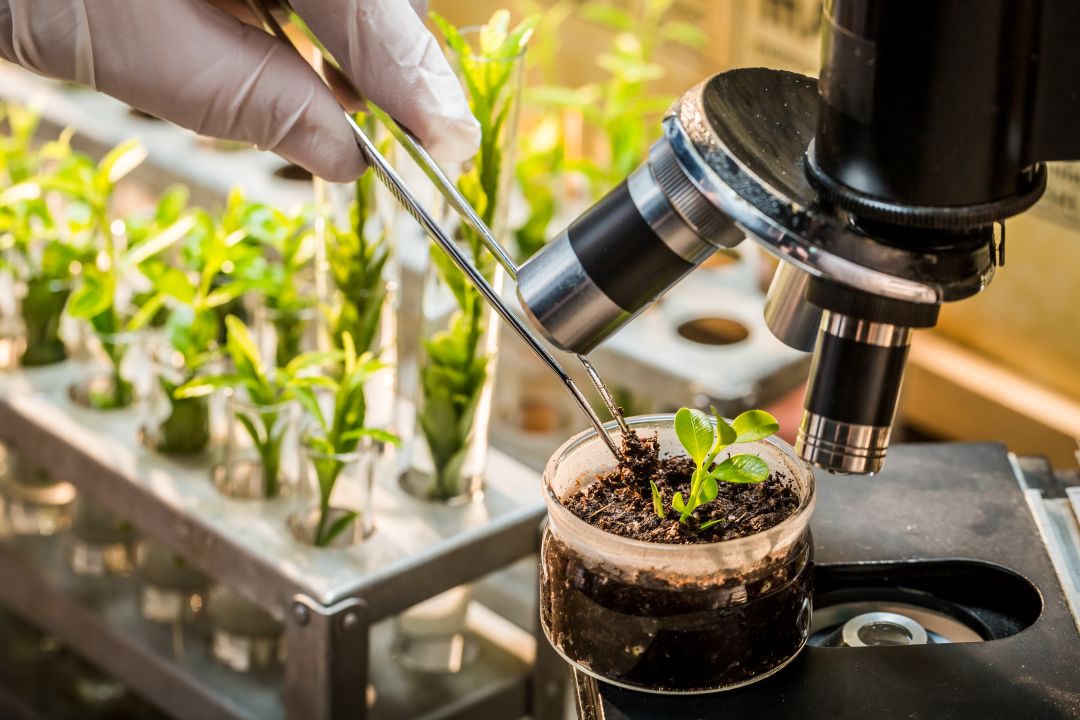


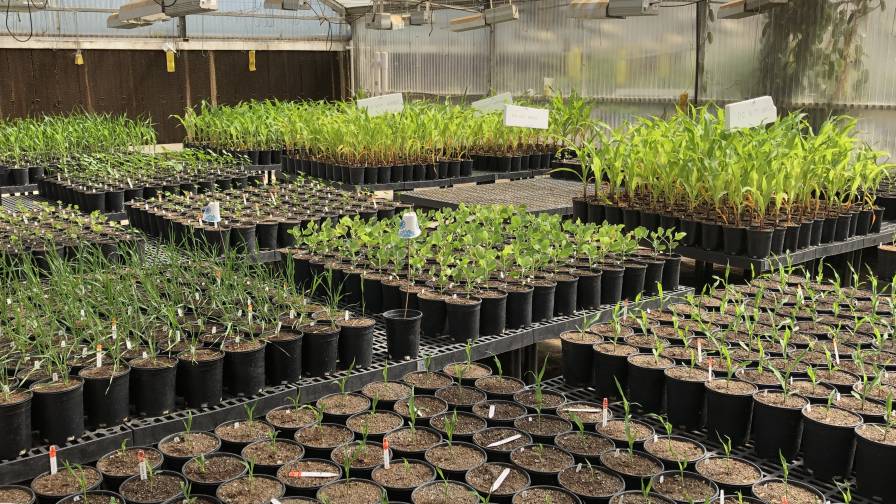

The problem is particularly severe in remote or off-grid agricultural regions where traditional cold chain infrastructure is limited or nonexistent. Without dependable refrigeration, distributors face higher product losses, farmers receive less effective products and confidence in agricultural biologicals can decline despite the technology performing as intended.
Core Technologies Solving the Off-Grid Cold Chain Challenge
Mobile cold storage solutions help bridge the gap by bringing reliable refrigeration to remote farming communities. Instead of relying solely on permanent refrigerated warehouses, these systems allow temperature-sensitive products to remain protected throughout transport and storage, even in areas with limited infrastructure.
How do Portable Refrigeration Units Work for Outdoor Events?
Maintaining consistent storage temperatures is essential for preserving the viability of agricultural biologicals throughout the supply chain. Even brief periods outside the recommended temperature range can reduce the effectiveness of microbial products, making reliable refrigeration a critical part of successful distribution.
According to Cool It, “temperature monitoring technology provides continuous oversight and alerts teams to anomalies” throughout the cold chain. These capabilities help ensure agricultural biologicals remain effective from production through to application.
Modern cold storage systems incorporate several features that help maintain product quality:
- Precise temperature control that protects sensitive microbial products during transport and storage.
- High-performance insulation that minimizes temperature fluctuations and reduces energy consumption.
- Rugged, weather-resistant construction capable of withstanding dust, heat, humidity and rough handling.
- Portable designs that can be deployed directly at farms, distribution hubs or temporary storage sites.
- Real-time temperature monitoring that provides continuous oversight throughout the cold chain.
According to Keep It Cold, “Accurate temperature control is crucial for maintaining perishable items. Seek trailers equipped with sophisticated cooling systems, multi-zone temperature regulation, and digital tracking. Functions such as automatic thawing, moisture regulation, and remote temperature monitoring can aid in avoiding spoilage and guarantee adherence to regulations.”
Ensuring Reliable Power in Remote Environments
Reliable refrigeration is impossible without reliable power. Unfortunately, many rural agricultural regions experience frequent outages or lack any connection to the electrical grid. This makes energy-efficient off-grid refrigeration essential.
According to Rest Rentals, electric cold storage trailers and containers “help keep your costs lower than diesel-powered trailers,” offering a more economical solution while also reducing fuel dependence and emissions. Today’s off-grid cold storage systems address this challenge through:
- Solar-powered refrigeration combined with battery storage for continuous operation.
- Hybrid energy systems that integrate solar, batteries and backup generators when needed.
- Remote monitoring systems that track power availability, battery health and storage conditions in real time.
- Energy-efficient refrigeration components that reduce overall power requirements.
- Robust system designs built to operate reliably in harsh and isolated environments.
Together, these technologies make dependable cold storage practical in locations where conventional infrastructure is unreliable.
Unlocking New Opportunities in Sustainable Agriculture
Overcoming cold chain barriers delivers benefits that extend well beyond product preservation. Reliable distribution enables companies to reach underserved markets that were previously difficult or uneconomical to serve. It also reduces product spillage and post-harvest losses by maintaining proper storage conditions throughout the supply chain.
For growers, dependable cold chain infrastructure ensures biological products arrive at full effectiveness, encouraging wider adoption of sustainable crop protection and soil health solutions. Simultaneously, distributors can expand into new regions, strengthen their supply networks and improve overall operational efficiency.
Solving the cold chain challenge supports more resilient food systems by reducing waste, improving access to sustainable agricultural technologies and helping farmers produce more with fewer resources.
The Future of Resilient Agricultural Supply Chains
As agricultural biologicals become a larger part of global crop production, cold chain infrastructure will play an increasingly strategic role. Success will depend on developing better biological products and ensuring they can be delivered reliably to farms of all sizes and locations. Modern advances in renewable energy, smart monitoring, portable refrigeration, energy-efficient cold storage and innovative materials are making this possible.
Performance demand for insulation materials is increasing. Cold-chain logistics research found in the Academic Journal of Science and Technology identifies polyurethane foam, extruded polystyrene foam, vacuum insulation panels and aerogel materials as insulation options that can effectively improve thermal performance and energy efficiency in cold-chain systems.
Agricultural biologicals will depend on better products and stronger logistics networks that can support them. It’s no surprise that supply chain resilience, cold chain innovation and sustainable logistics are becoming key topics at industry events such as Trade Summit, where experts gather to discuss the technologies and strategies shaping global trade.
Keeping Innovation Cool From Lab to Field
Agricultural biologicals will require building resilient cold chains that protect these fragile products from manufacturing facilities to even the most remote farms. As off-grid refrigeration technologies continue to evolve, they will play a critical role in expanding access to sustainable crop inputs, reducing waste and creating stronger, more resilient global food systems.
Get The Newsletter Today!