Bionema Develops a New Bioherbicide to Protect High-Value Crops from Weed Damage
Bionema Group Limited has announced a major advance in the development of a new patent-pending fungal bioherbicide designed to control difficult-to-manage weeds in major agricultural and horticultural crops.
In UK greenhouse trials conducted under replicated development conditions, the candidate demonstrated up to 85% mortality across sensitive broadleaf and grass weed species, together with up to 80% reduction in weed emergence following pre-emergence treatment. Early field evaluations are now underway. The candidate has shown activity in both pre-emergence and early post-emergence application windows.
The proprietary encapsulated formulation maintained 92% viability after 12 months of ambient storage, addressing one of the principal barriers that has historically limited the commercial development of fungal bioherbicides. No visible crop injury was observed in cereal and oilseed rape greenhouse evaluations completed to date.
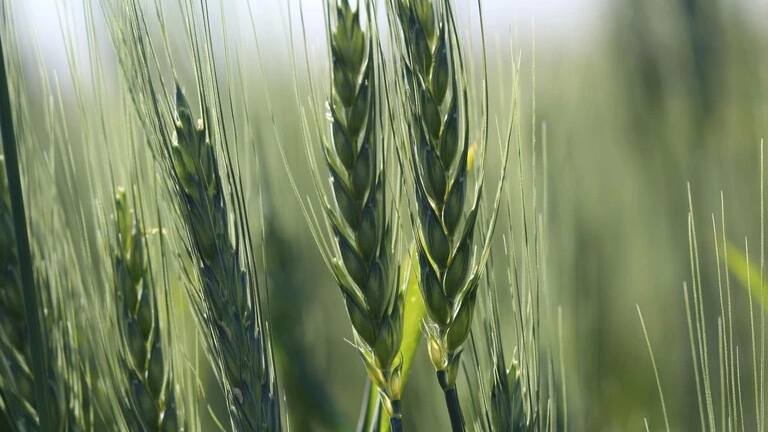
The development candidate is intended for pre-emergence and early post-emergence weed control across cereals, oilseed rape, vegetables and other high-value cropping systems.
Responding to a growing weed-control challenge
Weed management is becoming more difficult as resistance to established herbicide classes increases, conventional active ingredients face greater regulatory pressure, and growers are required to reduce chemical inputs without compromising crop productivity.



Biological herbicides offer a potential new route, but commercial adoption has remained limited by inconsistent efficacy, short shelf life and sensitivity to environmental conditions.
Bionema’s development programme combines a selected fungal active ingredient with proprietary formulation and delivery technology designed to protect viability during manufacture, storage, application and exposure to field conditions.
Dr. Minshad Ansari, Founder and CEO of Bionema Group, said: “The commercial challenge is not simply to identify a fungus that can damage weeds under controlled conditions. The challenge is to convert that biological activity into a stable, scalable and reliable product that growers can use in the field.
“These results demonstrate strong activity against important broadleaf and grass weeds, while our formulation technology addresses the stability and delivery limitations that have prevented many bioherbicides from progressing beyond early research.
“The combination of efficacy, formulation stability and a differentiated biological mode of action gives this programme significant commercial potential.”
A differentiated biological mode of action
The fungal bioherbicide acts through a biological mechanism distinct from the principal chemical herbicide classes currently used in agriculture.
This creates the potential for the product to support integrated weed-management programmes, provide growers with an additional resistance-management tool and reduce dependence on conventional herbicides.
Development studies have demonstrated activity under both pre-emergence and post-emergence application timings, with visible infection developing within days and substantial weed collapse recorded within approximately two weeks under favorable conditions.
Dr. Ansari added: “Farmers need new modes of action, but biological novelty alone is not enough. Any new product must deliver reliable performance, practical application, adequate shelf life and a clear commercial benefit.
“Our objective is to develop a new biological weed-control option that protects crop yield, supports resistance management and reduces reliance on conventional chemistry.”
Next-stage development
Bionema has filed patent applications covering the fungal bioherbicide and its proprietary formulation technology. The programme will now progress through:
- Replicated multi-location field trials in the UK and Europe.
- Dose-rate and application-timing optimization.
- Crop selectivity and safety studies.
- Manufacturing and formulation scale-up.
- Storage and shelf-life validation.
- Environmental and regulatory studies.
- Preparation of the commercial registration package.
Pilot-scale formulation batches have already been produced. The next development phase will test efficacy, crop selectivity and formulation performance under replicated field conditions across different weeds, crops, soil types and environmental conditions.
Bionema is seeking strategic partners with capabilities in field development, registration, manufacturing and international commercialization. Potential structures include co-development, licensing and territory-specific commercial rights.
Get The Newsletter Today!