Manejo Integrado de Plagas en África: 5 Cambios Estratégicos que las Empresas de Protección de Cultivos Deben Implementar para Apoyar a los Agricultores
 15 de julio de 2026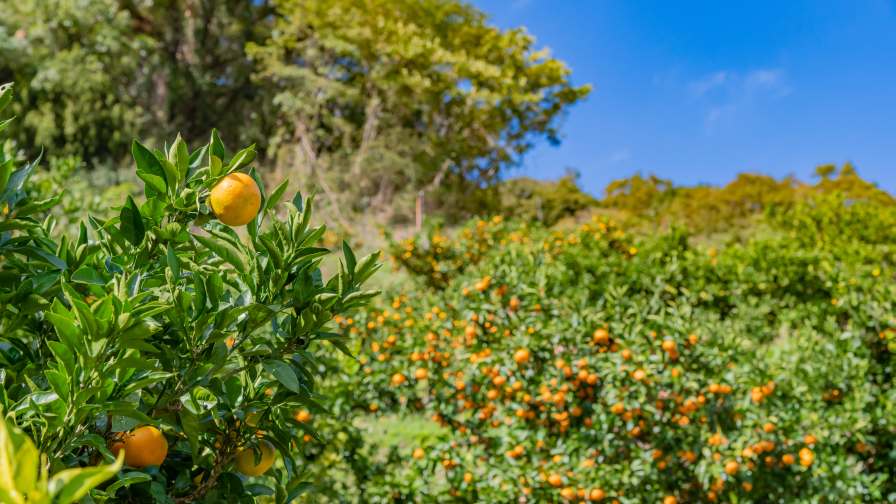
Los cultivos de cítricos se enfrentan a estrictas restricciones de LMR (Límites Máximos de Residuos) por parte de la Unión Europea, lo que obliga a los exportadores africanos a adoptar estrategias proactivas de MIP (Gestión Integrada de Plagas). Foto: Envato
Las empresas de protección fitosanitaria sintética que diversifican sus carteras para atender a los agricultores africanos se enfrentan a desafíos a la hora de crear un programa eficaz de manejo integrado de plagas (MIP).
Revista AgriBusiness Global® Hablé con Tom Murray, Gerente Técnico de Frutas y Horticultura para Woolworths Foods Sudáfrica, y Kobus Pienaar, Gerente Técnico de Agricultura Regenerativa de Woolworths Foods Sudáfrica y Miembro de la Junta Ejecutiva de la Organización Sudafricana de Bioproductos (SABO), sobre prácticas de gestión integrada en África.
A continuación, se presentan cinco puntos que Murray y Pienaar consideran que las empresas de insumos agrícolas deberían tener en cuenta al ofrecer productos biológicos y sintéticos en África.
1. El cumplimiento normativo en el sector minorista de alimentos, impulsado por las exportaciones y a nivel local, está influyendo en las decisiones en las explotaciones agrícolas.
“Para el sector de insumos agrícolas, las implicaciones son claras”, afirma Murray. “Los patrones de demanda están cambiando, las carteras de inversión se están modificando y las reglas de acceso a los mercados locales y de exportación de alta gama se están reescribiendo”.”

Si bien los agricultores africanos utilizan productos fitosanitarios sintéticos de acuerdo con las normativas de sus respectivos países, se está produciendo un cambio a medida que la Unión Europea (UE) continúa prohibiendo los ingredientes activos. Si los agricultores desean exportar sus cosechas a la UE, no pueden utilizar los ingredientes activos que figuran en la lista de sustancias prohibidas de la UE.
Para aquellos productos aprobados por la UE, también se contempla la reducción de los límites máximos de residuos (LMR) en los alimentos importados, con auditorías, pruebas e inspecciones de envíos estrictas en las fronteras de la UE.
“Para los exportadores africanos, esto significa que el cumplimiento normativo ya no se limita al registro nacional. Los productos legales para uso local aún pueden impedir la entrada de productos agrícolas a mercados de alto valor en la UE”, afirma Murray. “Como resultado, los productores que abastecen a Europa, especialmente en cítricos, uvas, frutas de pepita, hortalizas y hierbas aromáticas, están eliminando voluntariamente ciertos productos sintéticos de sus programas de fumigación años antes de que entren en vigor las nuevas normativas locales”.”
Al elaborar su cartera de productos, asegúrese de que estos reflejen la lista actual de productos aprobados por la UE.
2. Los productos biológicos se están incorporando al mercado general, pero deben demostrar su eficacia.
Para reducir los LMR (Límites Máximos de Residuos) y mejorar el rendimiento del suelo y de los cultivos, los productos biológicos para la salud vegetal se están convirtiendo en una parte importante de un programa integrado para los agricultores africanos.
“Los biopesticidas (fungicidas microbianos, bioinsecticidas, feromonas) se utilizan cada vez más para controlar la resistencia y reducir la carga química, mientras que los bioestimulantes y los biofertilizantes están ganando terreno como herramientas para mejorar la eficiencia de los nutrientes, la resiliencia de las plantas y la estabilidad del rendimiento bajo estrés térmico e hídrico”, afirma Pienaar.
“Para los proveedores de insumos, la oportunidad es significativa, pero no exenta de complejidad”, continúa Pienaar. “Los agricultores esperan que los productos biológicos ofrezcan un rendimiento constante y medible, y los productos mal posicionados corren el riesgo de erosionar la confianza en toda la categoría”.”
3. La gestión integrada de productos (IPM) está cambiando la forma en que se posicionan y venden los productos.
A medida que avanza el Pacto Verde Europeo y los productores africanos dependen económicamente de las exportaciones a la región, los programas de manejo integrado de plagas (MIP) ya no son opcionales, sino un requisito comercial.
“Este cambio está transformando la forma en que se venden y utilizan los productos fitosanitarios. En lugar de soluciones de un solo producto, los agricultores buscan sistemas respaldados por asesoramiento agronómico, estrategias de manejo de la resistencia y apoyo para el cumplimiento de la normativa”, afirma Murray.
A medida que los productores buscan reducir los LMR (Límites Máximos de Residuos), el objetivo del programa integrado no es abandonar los ingredientes activos que funcionan, sino reducir la dependencia.
“La retirada repentina de herramientas sintéticas eficaces, sin alternativas probadas a gran escala, conlleva el riesgo de pérdidas de rendimiento, un aumento de los costes de producción y una mayor presión sobre el suministro de alimentos”, afirma Pienaar. “Por lo tanto, la tendencia predominante es la transición, no la eliminación. El objetivo es combinar un uso más inteligente de los productos convencionales con los biológicos, la aplicación de precisión y una agronomía mejorada. Para el sector de la sanidad vegetal, esto crea espacio para carteras híbridas que favorecen tanto la productividad como el cumplimiento normativo, en lugar de plantear el futuro como una dicotomía entre productos convencionales y biológicos”.”
4. La gestión responsable, la trazabilidad y el asesoramiento son ahora factores diferenciadores comerciales.
A medida que las empresas ofrecen carteras híbridas, también deben proporcionar formación y recomendaciones sobre el uso de sus productos, así como sobre la tecnología agrícola para la trazabilidad.
“Los agricultores necesitan un sistema documentado de control de plagas e intervenciones basadas en umbrales, así como registros de fumigación rastreables y disciplina en los intervalos previos a la cosecha”, afirma Murray.
Según Murray, a medida que crece el mercado de productos biológicos, las empresas que puedan ayudar a los productores africanos a "adaptarse con rapidez, invertir en alternativas fiables y ayudar a los agricultores a sortear la presión regulatoria estarán mejor posicionadas para crecer junto con esta transformación".
5. Se avecinan cambios regulatorios.
Debido a la fragmentación del sistema regulatorio en todo el continente, el registro puede resultar costoso y lento. Muchos países aún evalúan los productos biológicos mediante marcos de química convencionales. Sin embargo, organizaciones como CropLife Africa Middle East y SABO se esfuerzan por impulsar cambios.
“Los debates regionales sobre la armonización regulatoria y la evaluación de riesgos de los productos biológicos están cobrando impulso”, afirma Murray. “La industria, los organismos reguladores y los socios para el desarrollo coinciden cada vez más en la necesidad de acelerar los plazos de aprobación de productos de bajo riesgo, facilitar el reconocimiento mutuo entre países y respaldar las normas de gestión para un uso eficaz de los productos biológicos. De tener éxito, estas reformas podrían impulsar un crecimiento más rápido y una mayor adopción en todo el continente”.”
¡Obtenga el boletín hoy!