La ventana de oportunidad de África: por qué los productos biológicos están abriendo nuevas puertas para las empresas de protección de cultivos.
 15 de julio de 2026
 África es inmensa, con 54 naciones soberanas, todas con diferentes necesidades, expectativas y regulaciones, pero incluso con la extensa geografía del continente, una región que antes se asociaba con un fácil acceso al mercado ahora se considera competitiva para los productos sintéticos de protección de cultivos.
Yann Miege, director de operaciones comerciales para MENA, WECA y África Oriental de Bancella, una empresa de distribución y marketing que presta servicios en África y Oriente Medio, afirma: “Cuando las empresas vienen a hacer negocios en la región, normalmente no esperan encontrarla tan competitiva. En los últimos 10 años, el mercado ha crecido considerablemente. Está en pleno auge”.”
Donde la región sí ofrece margen para nuevos productos es en el sector de los productos biológicos. Como principal exportador a la Unión Europea, conocida por la demanda de los consumidores de niveles máximos de residuos más bajos, los productores africanos buscan soluciones biológicas, especialmente en África Occidental, que es un socio comercial clave para la Unión Europea, con un comercio entre ambas regiones de 68.000 millones de euros en 2025, según informa la Comisión Europea en policy.trade.ec.europa.eu. Costa de Marfil, Nigeria y Ghana exportan más de 601 TP3T de las importaciones de cacao y productos derivados del cacao de la UE.
En una entrevista con Philip Viljoen, gerente de producto para Bancela, Tenía algunos consejos para hacer negocios en África para las empresas biológicas que introducen nuevos productos en la región.
Encontrar a tus socios
“Si no tienes experiencia en el trato con los mercados africanos y quieres entrar en ellos, entonces, en el 981% de los casos, si vas solo e intentas encontrar a la persona adecuada, acabarás encontrando a la persona equivocada”, dice Viljoen.
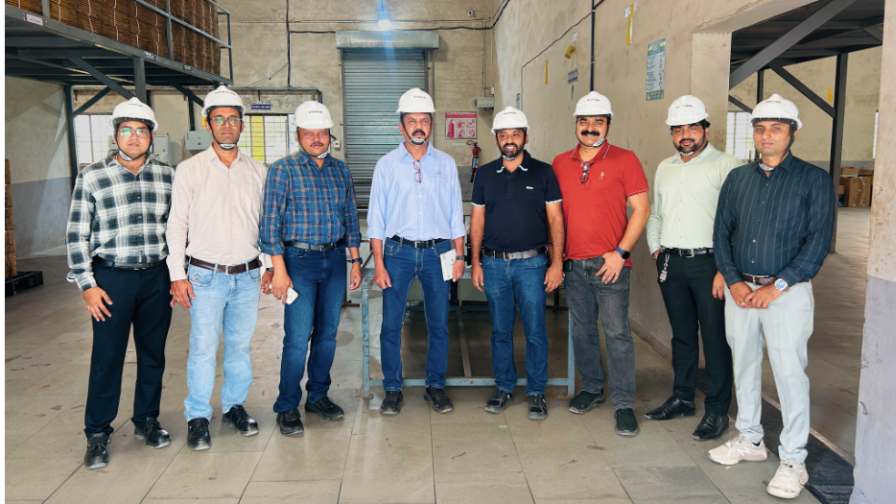


Recomienda dos opciones. Primero, puedes asistir a ferias comerciales, investigar en línea y luego reunirte personalmente con personas con potencial para establecer alianzas. La segunda opción sería asociarte con una empresa de distribución con experiencia para que te ayude a establecer contactos con socios de confianza.
Reputación
“La reputación de las personas las precede”, dice Viljoen. “Al pasar tiempo en los distintos países, uno aprende a saber de quién hay que desconfiar”.”
Viljoen dice que algunas de las preguntas iniciales que se deben hacer a un posible socio son:
- ¿De dónde vienen? ¿Qué hacían antes? ¿Tienen presencia en redes sociales?
- ¿Cuánto tiempo llevan en el negocio? ¿Qué productos de qué empresas distribuyen? Luego, verifícalo.
- ¿Son miembros de CropLife?
Pregúnteles sobre su conocimiento del mercado local y dónde encajaría un producto, así como sobre la logística. “En África, el transporte no es tan predecible”, dice Viljoen. “Cruzar fronteras puede llevar días o semanas, en lugar de horas. Las carreteras no están en buen estado. La gente siempre se arriesga, y hay que tenerlo en cuenta”.”
Otros aspectos importantes incluyen asegurarse de que su socio potencial comprenda qué precios pueden pagar los mercados, cómo funciona el ciclo de pagos de los agricultores y sus presupuestos por cosecha.
Para las empresas que desean mantenerse al día, es fundamental estar al tanto de los mercados de productos biológicos y de la diversificación de sus carteras.
Y, hablando de una excelente manera para que su empresa obtenga información de mercado sobre los mercados biológicos de todo el mundo, la Cumbre Global de Comercio Agroindustrial™, El evento, que se celebrará en Las Vegas, Nevada, EE. UU., tendrá lugar del 5 al 6 de agosto de 2026. Estaré allí este año y espero conocerte en persona.
¡Hasta entonces, espero que continúes explorando esos nuevos mercados!
¡Obtenga el boletín hoy!