From Selling Inputs to Selling Outcomes: How Crop Input Manufacturers Can Deliver Greater Value to Growers
 21 October 2026
As crop input manufacturers navigate shifting market dynamics, rising production costs, and increasing pressure on farm profitability, product performance alone may not be enough to sustain a competitive advantage. Manufacturers have an opportunity to differentiate themselves by helping growers achieve measurable outcomes, transforming their role from product suppliers into strategic partners.
That was a key message from Brett Sciotto, CEO of Idealyst Innovation, during a recent appearance on AgriBusiness Global Report. Sciotto discussed the challenges facing U.S. agriculture and how crop input companies can help growers adapt to changing economic conditions, consumer demands, and global market opportunities.
“There’s a real opportunity to help growers evolve by becoming focused on the outcomes, maybe more than the inputs,” Sciotto said.
For manufacturers, this shift has implications for product development, commercial strategy, distribution partnerships, and the way value is communicated across the agricultural supply chain.
Rethinking Value Beyond Product Performance
The crop input industry has traditionally competed on factors such as product efficacy, price, availability, and technical differentiation. Those attributes remain essential, but persistent margin pressure across many U.S. farming operations is putting greater emphasis on the economic value of input decisions.



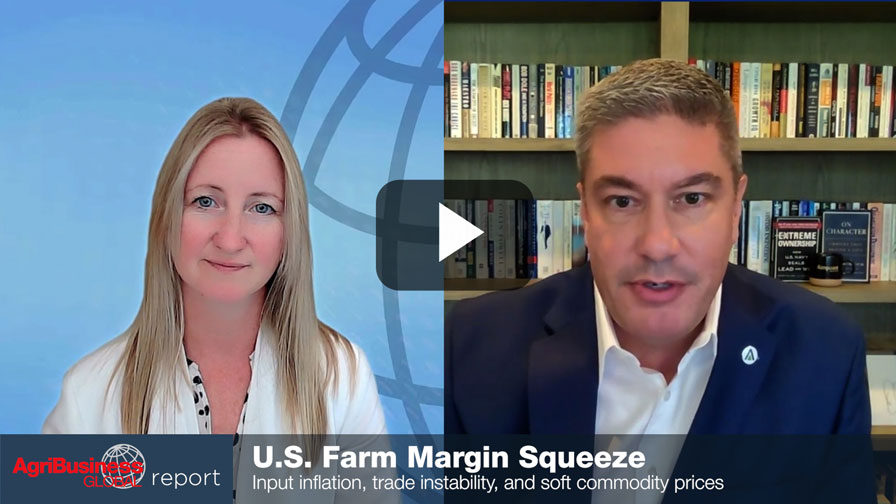
Sciotto noted that many American farmers and ranchers have experienced several consecutive years of significant margin pressure, driven by factors including input costs, inflation, trade uncertainty, and policy changes.
In this environment, manufacturers have an opportunity to connect product performance more directly to grower economics.
That means looking beyond whether a product works as intended to examine how it contributes to the broader objectives of a farming operation. Depending on the product and cropping system, those objectives could include protecting yield potential, improving nutrient-use efficiency, managing production risks, or reducing the cost of achieving a particular agronomic result.
For manufacturers, communicating that value requires credible field data, clear performance expectations, and evidence that helps customers understand how a product fits into their production systems.
It also presents an opportunity to rethink how products are positioned in the marketplace. Rather than relying exclusively on individual product attributes, companies can build a more compelling case around the agronomic and economic problems their technologies are designed to address.
Data and Transparency as Competitive Advantages
Sciotto identified data and transparency as important areas where input providers can support growers as they adapt to changing conditions.
He emphasized the opportunity for companies to become “a partner in transparency, a partner in data,” helping farmers and ranchers access the tools they need to make decisions about their operations.
For manufacturers, that partnership can begin with better evidence around product performance. Replicated trials, on-farm demonstrations, economic analyses, and clearly communicated product limitations can help customers assess where a technology is most likely to deliver value.
Manufacturers can also work more closely with distributors and ag retailers to ensure that performance information translates into useful field-level recommendations.
That collaboration is especially important because the value of an input often depends on how it is used. Crop conditions, application timing, management practices, soil characteristics, and weather can all influence results.
Providing retailers with practical decision-support tools and transparent performance data can help them make more informed recommendations and explain the rationale behind those recommendations to growers.
Over time, these efforts can strengthen trust throughout the distribution channel while helping manufacturers differentiate themselves through technical expertise and customer support.
Aligning Innovation With Changing Market Needs
Sciotto’s argument extends beyond the immediate economics of crop production. He believes U.S. agriculture must adapt to evolving consumer preferences, geopolitical realignment, and changes in global demand.
As consumer interest in nutrition grows and international markets shift, the types of crops that offer the greatest commercial opportunities may also change.
Sciotto captured the underlying challenge this way: “We grow a lot of things that we need less of, and we grow not enough of the things we need more of.”
For crop input manufacturers, this raises strategic questions about which crops, production systems, and technologies will drive future demand.
Companies may need to evaluate how their portfolios support a broader range of crops, including those that could benefit from changing consumer preferences or emerging export opportunities. Depending on the market, that could create opportunities for differentiated crop protection products, biological solutions, seed technologies, and plant nutrition innovations.
However, identifying an opportunity is only the first step. Manufacturers must also consider the agronomic requirements, regulatory pathways, distribution capabilities, and commercial economics associated with serving new segments.
Closer engagement with growers, retailers, researchers, and downstream market participants can help companies identify unmet needs before committing significant resources to product development or commercialization.
Building Stronger Partnerships Across the Value Chain
An outcomes-focused strategy also has implications for how manufacturers work with their distribution partners.
Ag retailers are often closest to growers’ day-to-day challenges. They understand local production conditions, customer priorities, and the practical barriers that can affect product adoption.
Manufacturers that incorporate those insights into product development, technical support, and commercialization strategies may be better positioned to deliver solutions that address real-world needs.
That relationship can extend beyond training and product promotion. Joint field trials, shared performance data, grower education, and post-season evaluations can help manufacturers and retailers understand how technologies perform under different conditions and where improvements are needed.
Such collaboration also provides a way to connect product innovation with the economic realities of farming. A technically effective product may struggle to gain traction if its value proposition does not account for growers’ budgets, operational constraints, or risk tolerance.
The goal is to make the path from innovation to measurable on-farm value more direct.
Competing on Value in a Changing Industry
Sciotto’s broader message is that American agrifood must evolve to meet future needs, and crop input manufacturers have a role in helping that transformation happen.
For the industry, shifting toward outcomes-based value does not mean abandoning product performance or competing on price. It means connecting those attributes to the larger challenges growers face and providing credible evidence of the value a product can deliver.
Manufacturers that invest in data transparency, stronger distribution partnerships, and innovation aligned with grower needs can build a more differentiated market position.
As agricultural markets continue to evolve, the competitive advantage may increasingly belong to companies that do more than supply inputs. It may belong to those that help customers understand which solutions make sense, how to use them effectively, and what results they can realistically expect.
Watch the Full Interview
Sciotto shared additional perspectives on U.S. agricultural market trends, grower challenges, and the future of the agrifood industry on AgriBusiness Global Report. Watch the full episode at AgriBusiness Global.
Get The Newsletter Today!