在拉斯维加斯举行的全球农业贸易峰会上,人脉拓展和行业洞察成为焦点。 

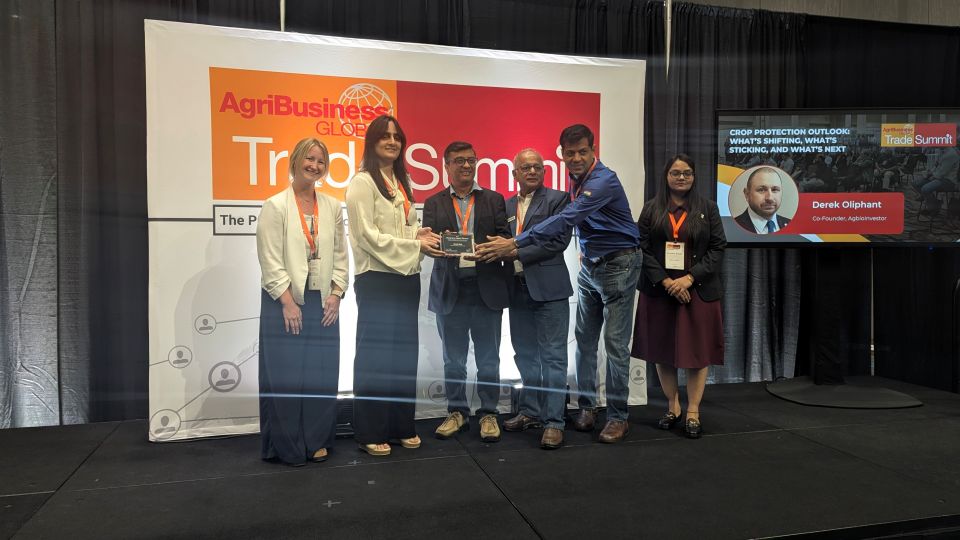
On 6 August 2026, against the backdrop of a sizzling Las Vegas summer, more than 700 全球农业商业™贸易峰会 attendees came together for Day 2 to forge connections, explore industry trends, and make deals happen.

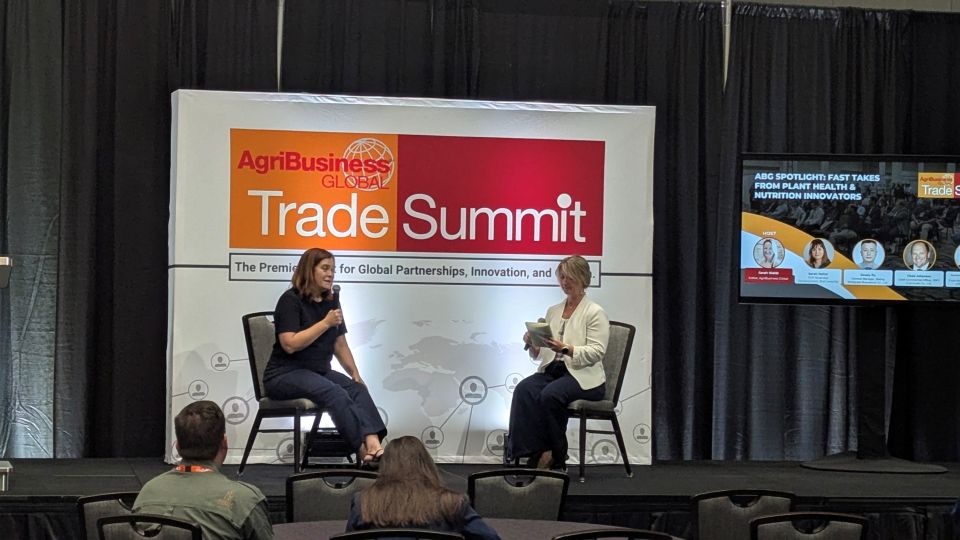
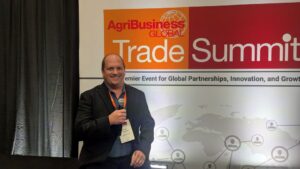
Day 2 of the Trade Summit kicked off with 全球农业商业直播! 从展览现场进行直播 ABG’s LinkedIn page.

AgriBusiness Global Editor Sarah Webb started off the interviews with Dewey Du, General Manager, Beijing Multigrass Bioscience Co., Ltd., who discussed how to build grower trust and integrated management trends. Afterward, Webb interviewed Sarah Reiter, SVP, Business Development, BioConsortia, about microbial discovery processes and improving upon consistency in the field.

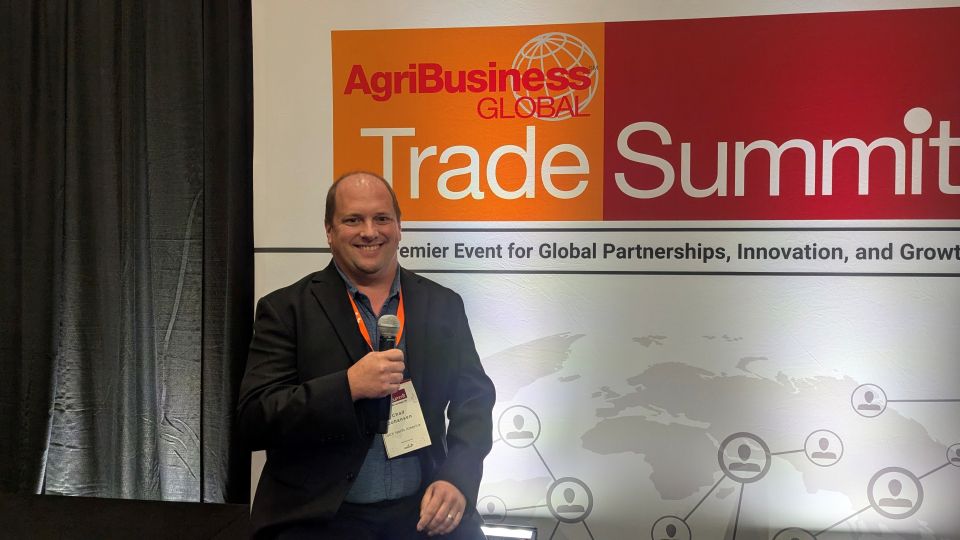
In two separate interviews, ABG Group Editor Renee Targos talked with Chad Johansen, Chief Commercial Officer at ISKY Chemicals Co., Ltd., and Kumaraswamy Ravindranathan Krishnaraj, Founder and CEO, Kriya Biosys.

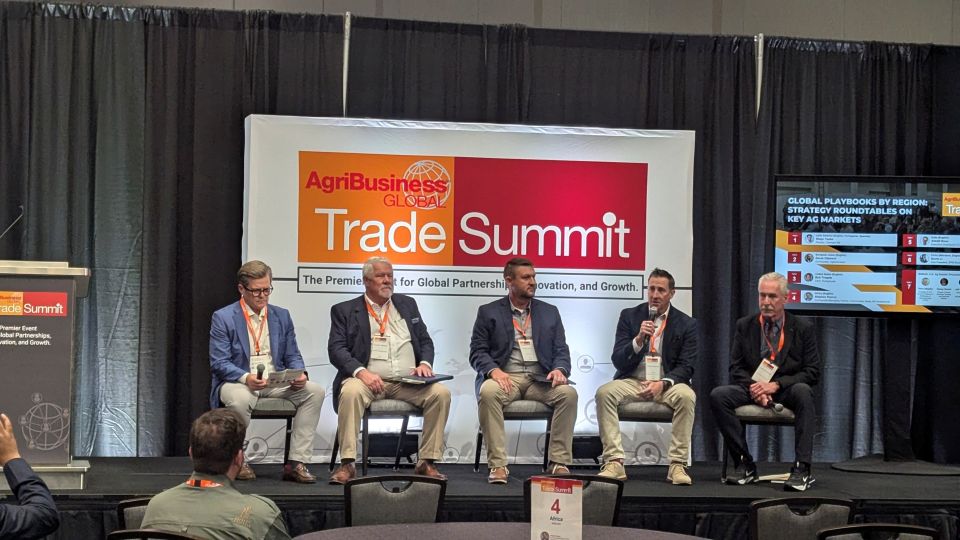
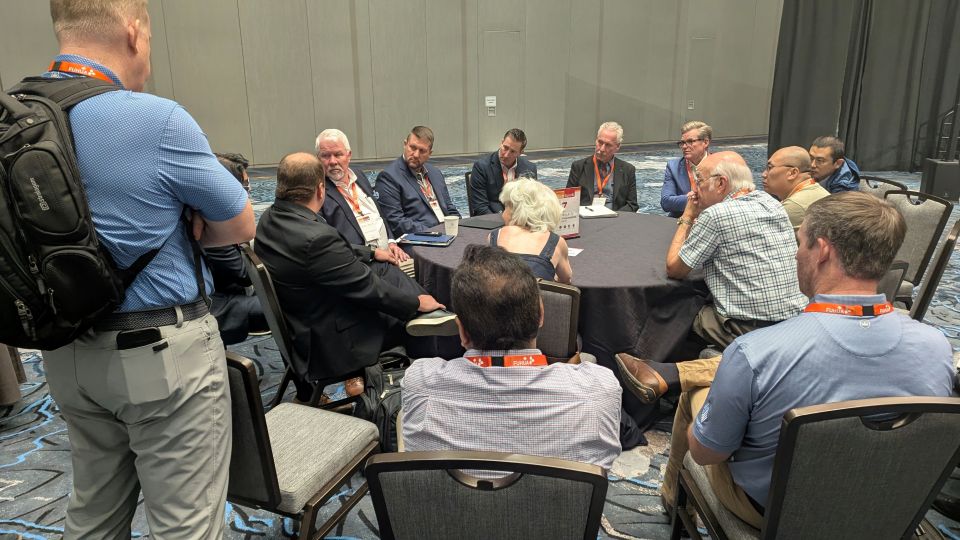
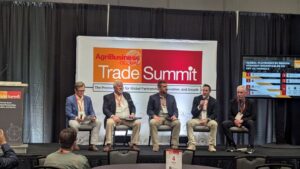
Global Playbooks by Region: Strategy Roundtables on Key Ag Markets

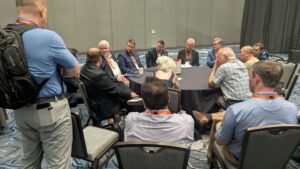
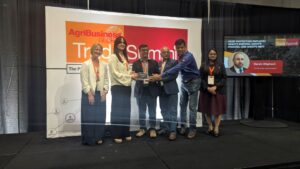
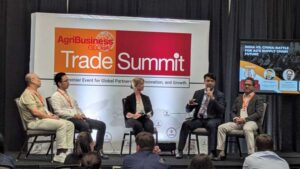
During an interactive round table discussion, the following experts zeroed in on how U.S. ag retailers are reshaping procurement strategies amid changing trade dynamics with China:

热门文章
移动式冷藏技术助力生物制品在无电网种植区进行配送

“It’s really about figuring out the diversification and dual sourcing and getting back integrated, working with partners from China, the U.S., and India, and managing the current environment with tariffs,” White said. “That’s a big part of the sourcing strategy that we have to have as large retail distribution in the U.S.”

Pritchard added that industry players have to work together amid current challenges.

“We have a difficult farm economy and it’s shifting some major procurement decisions,” Pritchard said. “We’re in this business together, whether you’re from India or China or the U.S.”

Crop Protection Outlook: What’s Shifting, What’s Sticking, and What’s Next

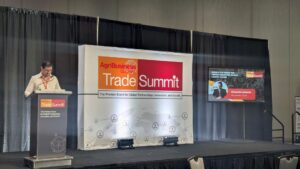
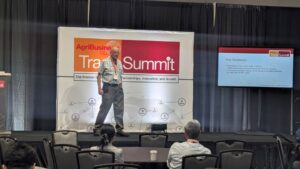
Derek Oliphant, Director, Crop Protection, at AgbioInvestor, provided a global outlook for the crop protection industry, examining current market conditions and the forces likely to shape the sector in coming years.

While he mentioned that the market is facing continued pressure from weak farm economics, low commodity prices, high input costs, and geopolitical disruptions, Oliphant also highlighted several growth opportunities, particularly in the biologicals sector.

As the industry evolves, he added that the best-performing companies will adapt through innovation, technology adoption, and solutions that improve productivity, sustainability, and resilience for growers.

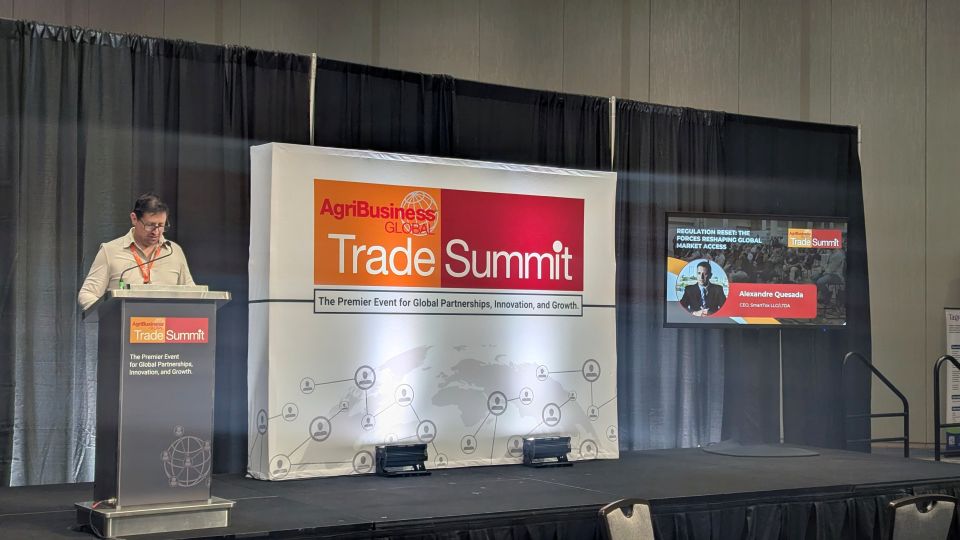
Regulation Reset: The Forces Reshaping Global Market Access

During his presentation, Alexandre Quesada, CEO of SmartTox, examined the five strategic forces expected to reshape the Latin American crop protection industry in 2026-2027: regulatory change, geopolitical trade pressures, supply chain resilience, biological innovation, and AI-driven precision technologies.

Focusing on Brazil, Argentina, Chile, Ecuador, and Mexico, he emphasized that companies can no longer rely on a one-size-fits-all regional strategy and must instead tailor market access and regulatory plans to each country’s unique requirements.

“Product portfolios must be designed around both sourcing risk and market access,” Quesada said. “Sourcing cannot be separate from sales. Every supply decision should be tested against the risks of the final destination market.”

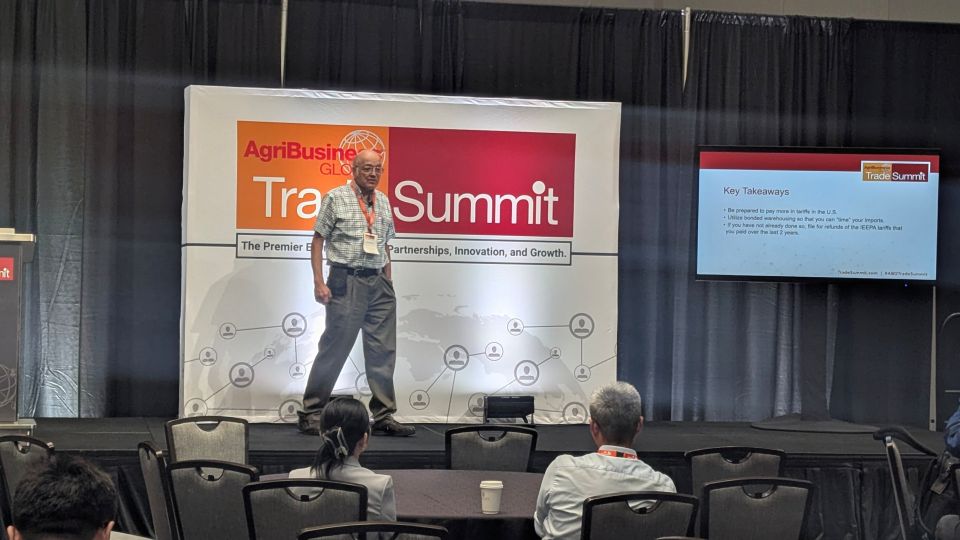
Tariffs & Trade Wars: The Hidden Costs Reshaping Ag Supply Chains

吉姆·德利西,首席执行官 Fanwood Chemical, zeroed in on how rapidly changing U.S. trade policies are reshaping the agrochemical industry. He outlined the ongoing expansion of tariffs, forced labor provisions, and other trade actions, while emphasizing that importers should prepare for higher costs, use bonded warehousing strategically, and pursue refunds for previously paid IEEPA tariffs.

He also covered U.S.-China trade initiatives, possible Russia sanctions, dumping cases involving glyphosate, and other major agrochemical company trends.

DeLisi emphasized that as uncertainty continues, companies should expect continued volatility in trade policy and be proactive in managing compliance, sourcing, and tariff exposure.