In Pursuit of Excellence: Making Global Work at Rovensa Next
 13 October 2026
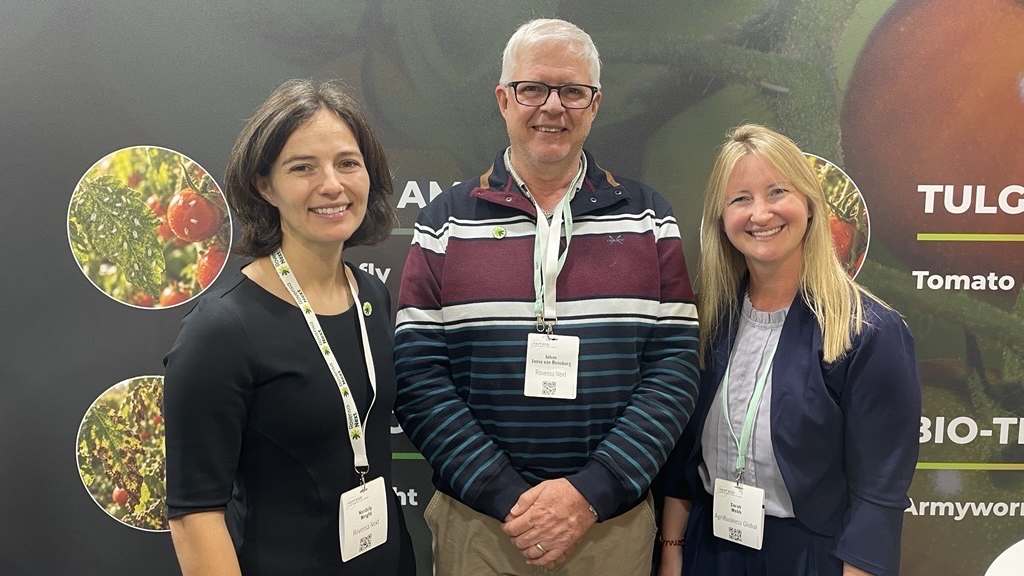
 After Rovensa Next finalized the integration of 12 legacy and acquired companies in January 2026 for the expansion of its biologicals solutions portfolio — the fusing of its collective expertise into a working global team was key to make or break this business model.
Chuck Broughton, Head of North America, Rovensa Next, says what makes the worldwide team work is valuing the individual contributions.
“We have brought companies together without erasing what made each of them work: their innovation, their identity, their relationships, and their ideas,” Broughton says. “We have done acquisitions and integrations that make sense on paper and grown the careers of the people who came with them.”
With the companies spanning from the European Union to Latin America and North America, each company brought established knowledge and relationships to advance Rovensa Next into markets that might otherwise have taken years to enter.
“Each company we bring in adds skills, relationships, and perspective we did not have before and closes a specific gap in our crop portfolio,” says Broughton. “The result is a broader set of capabilities working together than any one of those businesses could offer on its own.”

Established market entry is also leading to new partnerships, bringing more solutions and profitability to growers. Broughton adds that innovators with strong biological AIs but no established route to the North American grower increasingly choose to work with Rovensa Next rather than build credibility from scratch. Another positive about the Rovensa Next’s business model is its global team can help pivot on regional agricultural changes.
“We draw on our global agronomy teams for early signals on solutions to emerging challenges like water availability and crop stress tolerance,” Broughton says.
- Related: Rovensa Next Looks to Ag Retailers to Accelerate Biologicals Adoption — CropLife
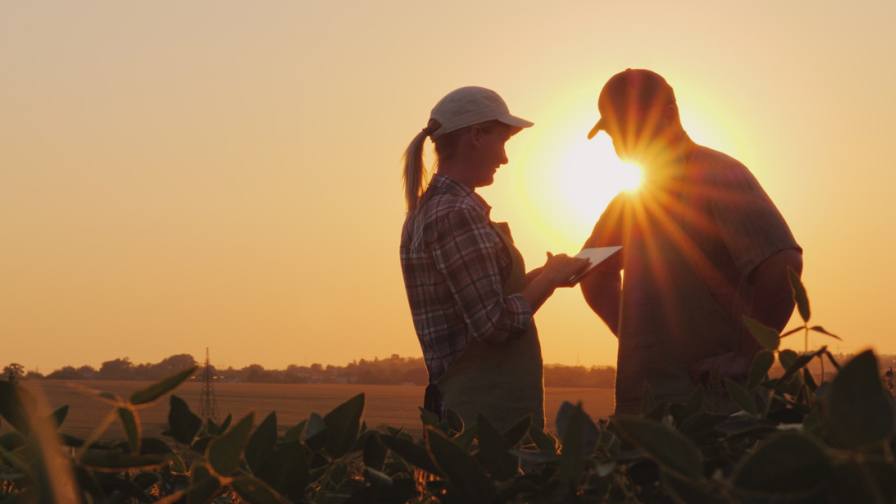
Local company representatives with established regional grower relationships can go deeper into finding the challenges, established farm processes, and pain points, so the company can offer a customized program.
“We want our products to show up on the farm differently than a typical supplier. That starts with understanding a grower’s complete crop plan and helping across the entire life cycle of that crop, not just at a single application window. It changes the conversation for our distribution partners and sales team,” Broughton says. “Instead of leading with what a product does, they lead by asking what problems a grower is facing and working from there. It is a shift from selling a product to selling a solution.”
New Product, Same Relationships
Relationships and local knowledge funnel intel on how a plant health program can increase return on investment and fit into established grower programs. These are key with growers’ margins being so tight, especially among U.S. growers.
“We translate R&D into commercial success through three disciplines, in this order: convenience, efficacy, and profitability,” Broughton says. “Our marketing team helps define the targets those efforts aim at. Holding to that order lets us bring new ideas to growers faster, and it means what we deliver makes sense both agronomically and economically.”
One crucial point is offering solutions that enhance what growers already know works.
“Our products win because they fit into a grower’s existing application practices rather than asking them to change how they operate,” Broughton says.
Johan Coetzee, Director of North America Technical & Development, Rovensa Next, says, “Integrating that product in the customer’s existing crop program is an important intermediate step. We invest in making sure a grower can see exactly how and why it works in their own field. That visibility drives adoption and confidence. Growers don’t adopt because we tell them something is effective; they adopt because they have confidence in results they can see for themselves.”
Points to Consider
For companies looking to acquire and partner to expand their portfolios, consider the following three practices:
- Integrate without losing identity. Preserving unique innovation, relationships, expertise, and individual strengths make a company stronger.
- Leverage local market knowledge. Enable and support established regional teams to enter markets faster.
- Team intel for innovation. Global agronomy expertise and local grower and adviser insights create insider strategies for R&D and customized programs.
Rovensa Next is just one example of how companies across the global agricultural inputs industry are adapting, innovating, and positioning themselves for long-term growth. Explore the rest of the In Pursuit of Excellence series to discover how Anasac, Chengdu Newsun, Tagros Chemicals, and Veganic are charting their own paths to success.
Read the other profiles:
- Anasac: Envisioning a Sustainable Future
- Chengdu Newsun: Creating a Future Market
- Tagros Chemicals: Preemptive Strategies and Agility for Market Expansion
- Veganic: Scaling for Success
Discover the strategies, innovations, and leadership approaches shaping the next generation of agricultural businesses.
Get The Newsletter Today!