New Pheromone Advances Macadamia Pest Control
A newly identified pheromone for the macadamia felted coccid (Acanthococcus ironsidei) may significantly improve how this economically damaging pest is monitored and managed, offering growers a more precise and sustainable tool within integrated pest management (IPM) systems.
The macadamia felted coccid has become an increasing concern in key production regions such as Nelspruit and Barberton in South Africa, a major macadamia-producing country, where infestations have led to notable crop damage. Until now, the absence of an effective pheromone-based monitoring tool has limited growers’ ability to track population dynamics and respond with optimal timing.
Early field observations, conducted in collaboration with growers and industry specialists, highlighted a broader challenge within pest control strategies. While chemical interventions remain important, their application can inadvertently disrupt beneficial insect populations, underscoring the need for more targeted and ecologically balanced approaches.
Research into the pheromone accelerated following discussions at the International Macadamia Symposium 2023, where a collaborative effort was initiated between field specialists and chemists from Insect Science.
Analytical screening identified two candidate compounds, one of which proved to be a previously unreported component in scale insect pheromone chemistry. Both compounds were synthesized for further evaluation, enabling controlled testing under field conditions.



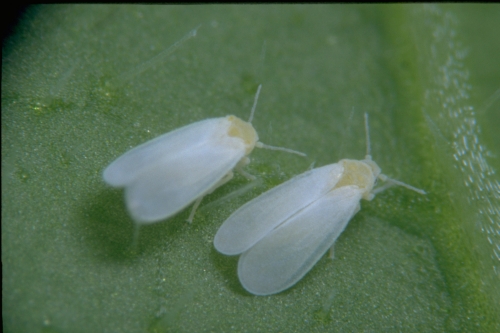

Subsequent trials demonstrated that attraction was not driven by individual compounds alone, but by specific blends, highlighting the complexity of the insect’s chemical communication system. These findings enabled the development of a functional pheromone lure capable of attracting the target pest under field conditions.
The identified pheromone has since been patented and is being prepared for regulatory submission in South Africa. Beyond immediate use in monitoring, the discovery opens the door for further applications, including mating disruption and mass trapping strategies, which could reduce reliance on conventional chemical controls.
This development illustrates a broader shift within agriculture towards more precise, knowledge-driven pest management. By improving early detection and enabling better-informed intervention timing, pheromone-based tools can support both productivity and environmental stewardship in high-value crops such as macadamia.
Get The Newsletter Today!