Em busca da excelência: como Chengdu Newsun está criando um mercado para o futuro.
 27 de setembro de 2026
 Jornal de Chengdu, A empresa, focada na criação de soluções sustentáveis para o cultivo, está investindo em sua missão, enquanto seus funcionários transformam a visão em realidade.
“A inovação sempre fez parte do DNA da Chengdu Newsun, e pessoas talentosas são a base dessa inovação”, afirma Ruoyan Li, Diretora de Estratégia e Desenvolvimento da Chengdu Newsun Crop Science Co., Ltd. “É por isso que continuamos investindo fortemente em pesquisa e desenvolvimento. Respeitamos nossos especialistas e oferecemos aos nossos pesquisadores um ambiente estável, onde eles podem se concentrar em seu trabalho de longo prazo.”
Além dos investimentos em P&D, a empresa também prioriza a cultura organizacional e o engajamento dos funcionários, oferecendo benefícios abrangentes, organizando eventos de integração de equipe e permitindo que funcionários de diferentes departamentos viajem para eventos internacionais do setor.
Em busca de uma solução
O investimento da Chengdu Newsun em pesquisa e desenvolvimento representa mais de 151.300 milhões de yuans de sua receita anual. O compromisso da empresa com a inovação inclui um novo centro de P&D em Chengdu, concluído em 2026, representando um investimento de 1.420 milhões de yuans. O centro oferece design molecular assistido por IA, engenharia microbiana e biologia sintética, descoberta de produtos naturais de alto valor agregado, bem como avaliação toxicológica.
“Ele se posiciona como um centro fundamental de pesquisa e inovação, apoiando a descoberta e o desenvolvimento de novas tecnologias biológicas”, diz Li. “Essas capacidades nos permitem conectar a pesquisa inicial ao desenvolvimento de produtos e fornecer um suporte técnico mais robusto para inovações futuras.”
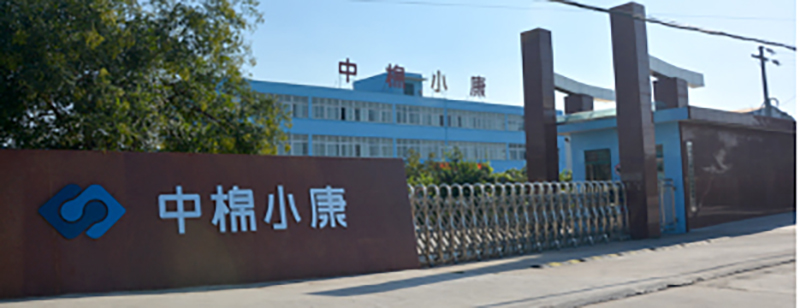

Segundo Li, este centro não só fornece aos pesquisadores as ferramentas necessárias para concluir seus trabalhos, como também permite que os funcionários se sintam seguros em relação ao futuro da empresa.
“Nossos pesquisadores e equipe de vendas estão confiantes no futuro da Chengdu Newsun. Oferecemos planos de carreira tanto na área de gestão quanto na área técnica, incentivos para a comercialização de tecnologia e incentivos de longo prazo para talentos-chave”, diz Li. “Eles querem ficar porque acreditam que somente a inovação pode trazer o futuro.”
No total, a Chengdu Newsun possui dois centros de P&D dedicados e uma fazenda de kiwis, graças à insolação ideal, ao solo bem drenado e às temperaturas ideais para a produção comercial de kiwis na Bacia de Sichuan. O segundo centro de P&D concentra-se em pesquisa aplicada e validação em campo, contando com infraestrutura de testes e uma estufa.
“A infraestrutura e o suporte técnico podem ser limitantes, e alguns produtores se concentram em retornos de curto prazo e podem não reconhecer totalmente os benefícios da sustentabilidade”, diz Li. “É por isso que demonstrações e orientações práticas são essenciais para a adoção.”
Criando um plano
Ao criar um plano de P&D, a empresa começa por coletar informações sobre os principais pontos de interesse do mercado e as restrições de produção junto a produtores, distribuidores e em condições reais de campo agrícola, analisando as causas subjacentes dos problemas antes de definir a abordagem técnica, afirma o Dr. Jin Huang, Vice-Reitor do Instituto de Pesquisa em Biotecnologia da Chengdu Newsun.
Em seguida, classifica o produto ou programa proposto como um produto de biocontrole ou um bioestimulante e incorpora as necessidades de dados regulatórios e de vendas no projeto de pesquisa desde o início.
“Do ponto de vista regulatório, consideramos a segurança, os compostos marcadores, a clareza do modo de ação e a consistência da eficácia”, diz Huang. “Do ponto de vista comercial, definimos quais dados de eficácia em campo, dados de segurança para as culturas e evidências de diferenciação são necessários para o acesso ao mercado.”
Por fim, a empresa avalia a viabilidade da industrialização.
Pontos a considerar
Para empresas que desejam impulsionar sua pesquisa e desenvolvimento, aqui estão cinco pontos a serem considerados.
- Invista nas pessoas, não apenas na tecnologia. Criar um ambiente onde os pesquisadores tenham estabilidade, projetos relevantes e liberdade para se concentrarem na inovação a longo prazo.
- Investir recursos significativos em P&D. Faça da inovação um investimento estratégico, e não uma despesa.
- Construir plataformas que apoiem a inovação a longo prazo. Desenvolver capacidades fundamentais que possam gerar múltiplas soluções, em vez de focar apenas em produtos individuais.
- Conecte a descoberta com a validação de campo. Testar produtos em condições agrícolas reais ajuda a identificar lacunas de desempenho e gera evidências para aumentar a confiança do produtor.
- Demonstrar e colaborar para acelerar a adoção. Demonstrações em campo, suporte técnico prático e colaboração entre pesquisa, vendas e produtores podem ajudar a traduzir a inovação científica em soluções práticas que os agricultores entendam e adotem.
A Chengdu Newsun é apenas um exemplo de como empresas em todo o setor global de insumos agrícolas estão se adaptando, inovando e se posicionando para o crescimento a longo prazo. Explore o restante do... Em busca da excelência série para descobrir como Anasac, Rovensa Próximo, Produtos químicos Tagros, e Vegano estão trilhando seus próprios caminhos para o sucesso.
Leia os outros perfis:
- Anasac: Visualizando um futuro sustentável
- Rovensa Next: Fazendo o Trabalho Global
- Tagros Chemicals: Estratégias preventivas e agilidade para expansão de mercado
- Veganismo: Escalando para o Sucesso
Descubra as estratégias, inovações e abordagens de liderança que estão moldando a próxima geração de negócios agrícolas.
Receba a Newsletter hoje mesmo!