African CROs: Data, Biologicals, and Testing Grounds
 22 July 2026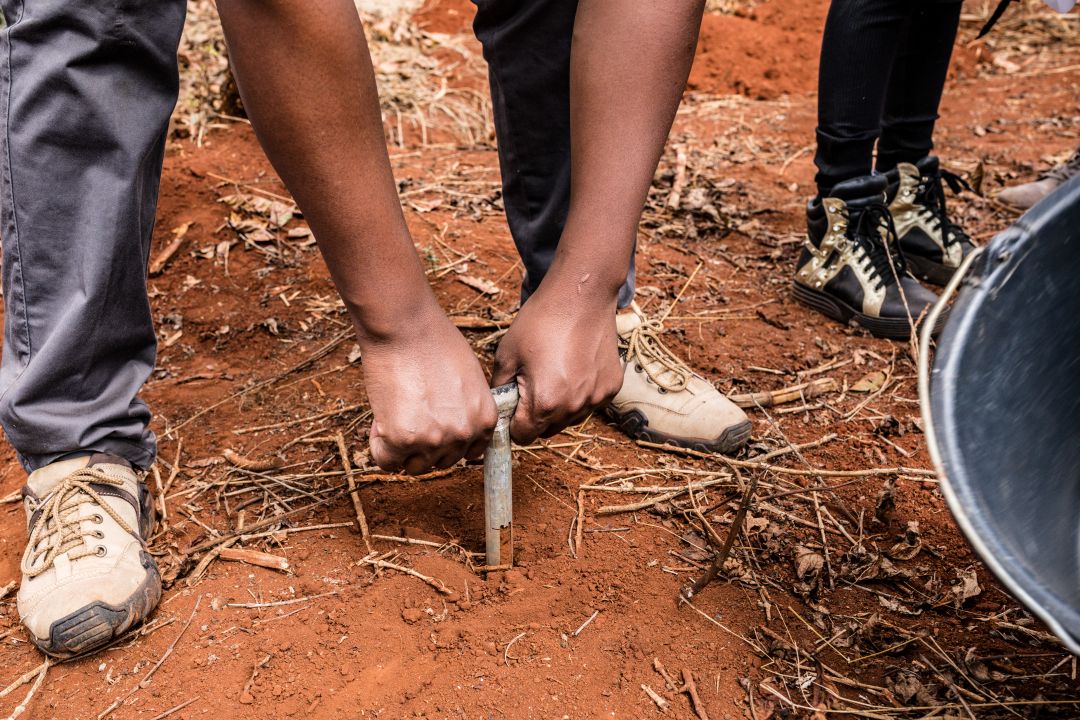
Hands-on soil sampling in Kenya underscores the operational importance of local research, where environmental
realities and strict sample export permits dictate project timelines. Photo: Envato
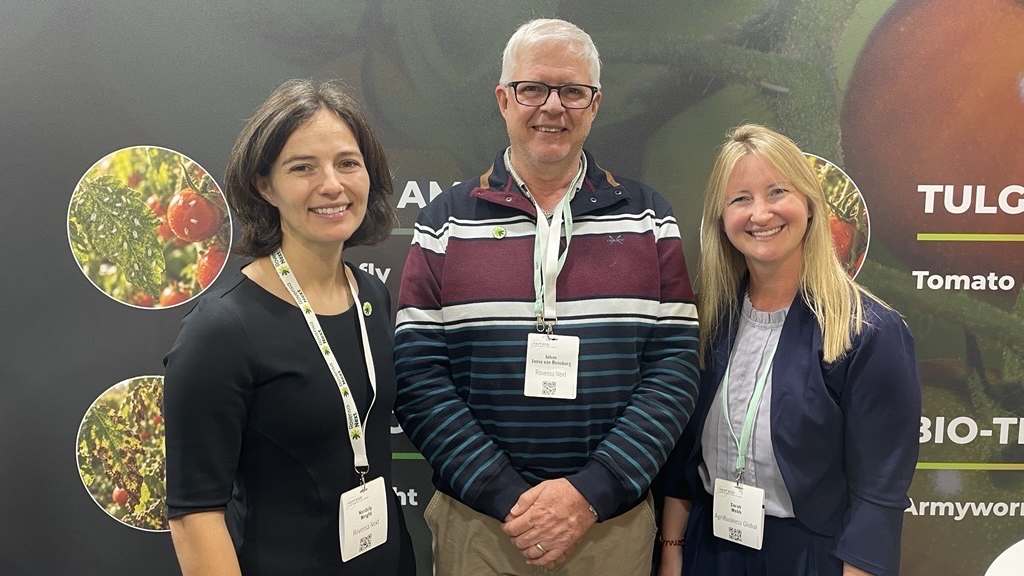
AgriBusiness Global® talked with Arthur Putt, Technical Director, North America, for Smithers Environmental Risk Sciences, about general dossier requirements for African countries. With more than 35 years of experience, Putt gave us his top three points to consider when working with a contract research organization (CRO) to bring a product to the African region.
Embracing the Field
Agricultural research in Africa sits at a uniquely complex intersection of Good Laboratory Practice (GLP) requirements, ecological variability, regulatory fragmentation, and infrastructure constraints, Putt says.
“Unlike pharmaceutical clinical research, agricultural GLP studies — covering crop protection products, fertilizers, biopesticides, veterinary medicines, soil health, and traits — are conducted across highly variable field and laboratory environments where nature itself introduces variability that infrastructure investment alone cannot resolve.
“Adapting GLP quality systems for African agricultural research requires understanding that the field is the laboratory — and that the variability, unpredictability, and ecological richness of African agricultural environments are not problems to be standardized away but scientific realities to be characterized, documented, and embraced,” Putt says.


Soil Permit Risks
Foreign soil permits are an underestimated operational risks in African environmental research. Putt notes that soil and biological sample export regimes include multiple regulatory frameworks simultaneously, such as environmental law, biosecurity, customs, and sometimes national security, with consequences for study timelines that can be severe if managed reactively.
“CROs that invest in regulatory mapping before protocols, build genuine local partnerships, engage competent national authorities as stakeholders rather than bureaucratic obstacles, and present sponsors with honest timeline realities will consistently outperform those that treat permits as an administrative afterthought,” Putt says. “The permit process, managed well, also creates the benefit-sharing and capacity-building relationships that make African research partnerships durable.”
African Data Increasing
Finally, Putt says that sponsor investment in African agricultural trials and environmental data is increasing and is driven by agrochemical market growth, the biologicals revolution, EU Deforestation Regulation –mandated supply chain environmental compliance, soil health institutional priorities, and Environmental, Social, and Governance biodiversity
disclosure obligations.
Get The Newsletter Today!