A Dynamic Duo: Adjuvants and Biologicals
 30 July 2026
 The question isn’t whether biologicals and adjuvants work together — it’s about why most programs fail when they don’t.
“Biological products carry living consortia or biologically active compounds that depend on two things: reaching the right surface and surviving long enough to perform,” says Beny Varon, Global Sales and Business Development Manager at Humintech. “Adjuvants determine both.”
Joan Villanova, Portfolio Manager at Veganic, agrees.
“Adjuvants have evolved from simple spray enhancers into technological tools capable of optimizing the physical, chemical, and biological performance of formulations,” Villanova says. “In addition to improving application quality, they can protect molecules against environmental degradation processes, increase their persistence, and promote absorption or penetration.”
Market Opportunities
Current adjuvant formulations are working with biosolutions based on plant extracts, metabolites, semiochemical compounds, microorganisms, peptides, or biostimulants, whose efficacy largely depends on the formulation maintaining its activity until it reaches the place where it needs to act, Villanova says.
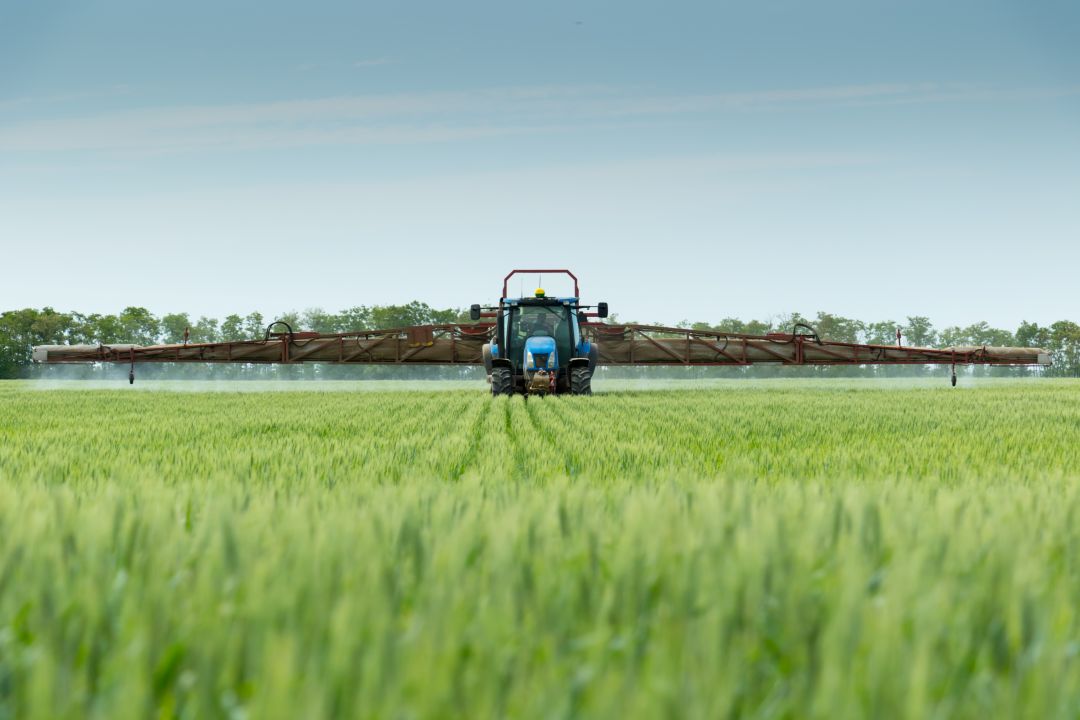

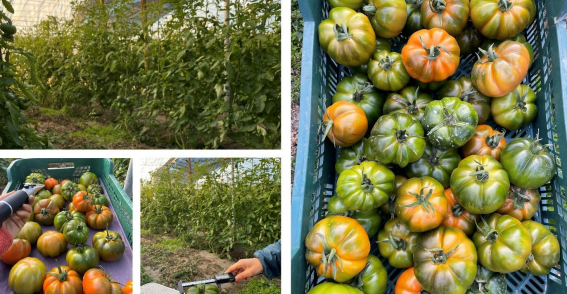


These adjuvants are being used in high-value crops such as vegetables, berries, citrus, fruit trees, vineyards, avocado, and protected crops, as well as in regions that place emphasis on sustainable agriculture, low-residue production, and integrated pest management.
Varon calls attention to the crops of durian, mango, and citrus in Thailand and Vietnam as well as the Brazilian Cerrado, Ecuadorian banana plantations, and Colombian floriculture.
“These are regions running intensive spray programs on degraded soils. Every spray pass without adjuvant support is a compounding loss,” Varon says. “Every biological applied without soil conditioning is a wasted investment.”
The biggest untapped opportunity, Varon says, is repositioning both product categories together as a system.
“Right now, biologicals and adjuvants are largely sold in parallel by different sales forces competing for wallet share,” Varon says. “The farmer ends up making isolated decisions, getting partial results, and concluding that ‘biologicals don’t work.’ That’s a market failure masquerading as a product failure.”
Varon notes that the companies that will win over the next decade are those that build integrated programs — the soil-building layer, biological activation layer, and spray protection layer — not as an upsell, but as a single agronomic logic.
“When a distributor can walk a farmer through the entire causal chain from soil organic matter to root colonization to spray efficacy to export-grade output, they stop competing on price,” Varon says. “They become indispensable.”
For manufacturers, Varon says this opens the door to co-formulation and co-positioning opportunities. Villanova says this also may welcome in a new era where formulation is just as important as the active ingredient itself.
“This evolution will make it possible to design integrated solutions in which the active ingredient and the adjuvant are developed together from the formulation stage, rather than being combined only at the time of application,” Villanova says.
To build out adjuvant and biologicals programs, the following considerations should be addressed.
Compatibility
Not all adjuvants behave in the same way when combined with complex biosolutions, so it is essential to validate each combination through compatibility, stability, biological efficacy, and field performance studies before recommending its commercial use.
“Overly aggressive surfactants, certain solvents, oils, salts, or significant pH variations can affect the physicochemical stability of the formulation or compromise the viability of living microorganisms,” Villanova says. “In addition, the adjuvant itself can modify parameters such as absorption speed, droplet evaporation, active ingredient release, or persistence on the plant surface.”
Application Sequencing
When putting adjuvants into a program, order of addition matters for efficacy. Best methods often include water first, then the biological or humic carrier fully dissolved, then other inputs.
“Adding actives before the carrier is dissolved is a systematic efficacy leak most farmers don’t even know they have,” Varon says.
Distributor Knowledge
Manufacturers should work to build distributors’ capacity to sell and support integrated programs resulting in a durable competitive advantage.
“The biological-adjuvant interface is genuinely complex,” Varon says. “It requires understanding of soil chemistry, microbial biology, and spray physics simultaneously. Most agronomists are trained in one or two of these areas.”
Educational materials need to accompany any programs, so agronomists and growers can understand how to implement it.
Overcoming Product Credibility Doubts
The biologicals and adjuvant sectors must also overcome skeptical growers who have grown wary of overpromised results or undersupported programs in the past.
“Skeptical buyers default to what they know, which is chemistry,” Varon says. “The way back is not better marketing. It is technical accountability. It means publishing the failure conditions alongside the success conditions. It means building programs that perform under real-world constraints: poor water quality, variable soil health, and mixed-use spray equipment.”
Looking Ahead
Varon and Villanova agree that the strategy of pairing adjuvants and biologicals will not only continue but become the standard, citing reasons of high input costs, declining chemical efficacy, and tightening regulations.
“The driver isn’t ideology. It’s economics,” Varon says. “Farmers in competitive export chains — Thai durian for the Chinese market, Ecuadorian banana for Europe, and Brazilian soy — for global commodity buyers are being squeezed from both ends. They cannot afford programs that deliver partial results. The integrated program (soil structure, microbial activation, spray investment protection, crop-specific nutritional precision) is the only model that consistently delivers at the level those farmers need to remain commercially viable.”
From manufacturer standpoint, Villanova says the future will move toward formulations in which the active ingredient and the adjuvant system are designed together.
Varon agrees, saying in the next five years, he expects leading distributors in high-value export crop markets to source biological-adjuvant systems from single technical partners rather than assembling them from multiple suppliers.
“The companies that have built those systems today will capture that consolidation,” Varon says. “The companies still selling single-product stories will get commoditized.”
Read more articles like this one in AgriBusiness Global’s 2026 Adjuvants Deep Dive.
Get The Newsletter Today!