AgriBusiness Global Trade Summit Doubles Down on Business Deals in Las Vegas
 6 August 2026
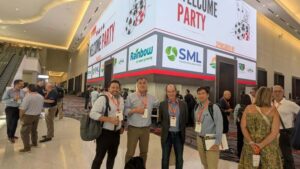
 The dice was rolling, the temperature was hot, and more than 700 attendees at the AgriBusiness Global™ Trade Summit were getting deals done in Las Vegas, NV.
View all
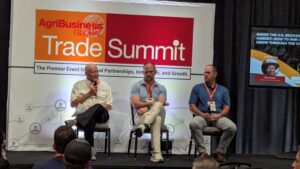
On 5-6 August 2026, crop protection and nutrition manufacturers and distributors from around the world came to network and meet with the more than 90 exhibitors.
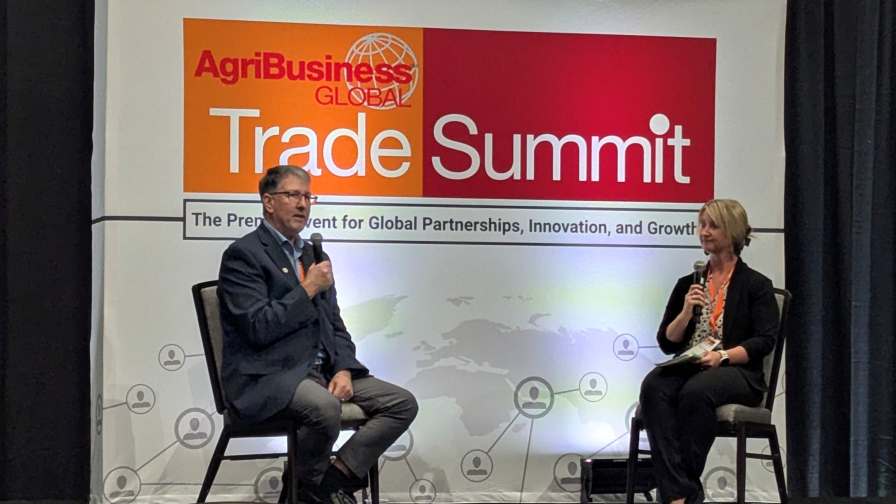
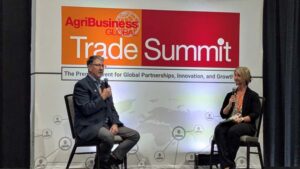
The Trade Summit kicked off with AgriBusiness Global LIVE! broadcasting from the exhibition floor on ABG’s LinkedIn page. AgriBusiness Global Editor Sarah Webb started off the interviews with Johan Coetzee, Director of North America for Rovensa Next, discussing what internal structure it takes to make a successful biologicals company.
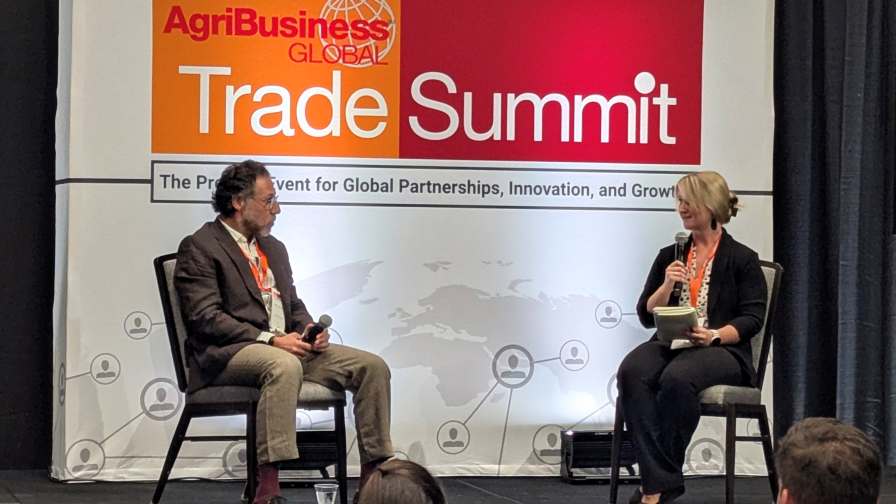
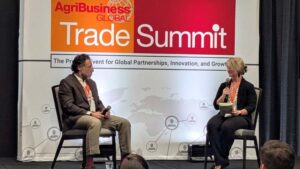
Following Coetzee, Webb interviewed Beny Varon, Global Sales Development Manager for Humintech. Varon explored why the biological industry needs more robust trials to demonstrate and validate their efficacy.
In two separate interviews, ABG Group Editor Renee Targos talked with Dr. Jin Huang, Vice Dean and Director of Innovation Center for Chengdu Newsun Cropscience and Harsh Bhagchandka, President of IPL Biologicals.
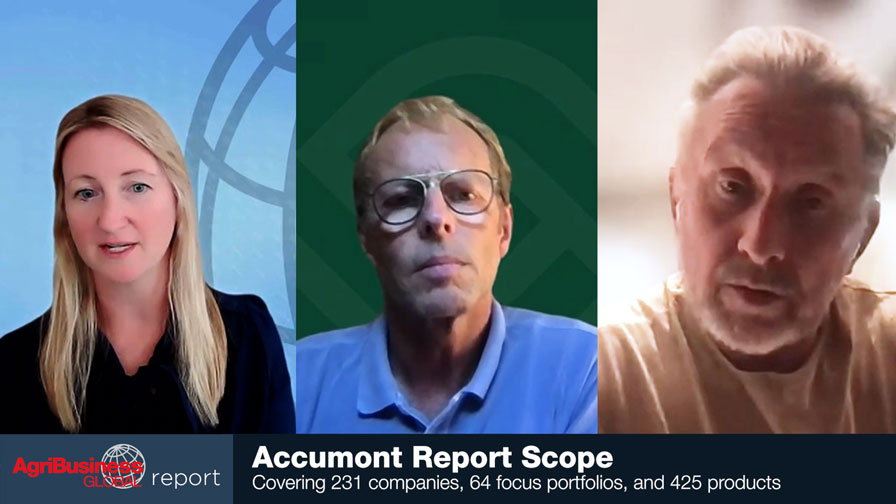
All interviews can be seen on the AgriBusiness Global LinkedIn page.
Educational sessions started in the afternoon, following the AgriBusiness Global Visionary Award ceremony. Here are the top three highlights.
1.India vs. China
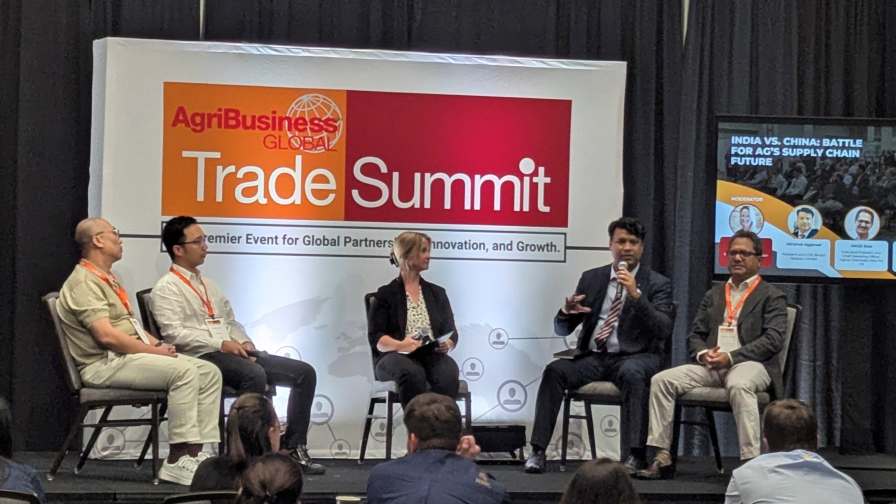
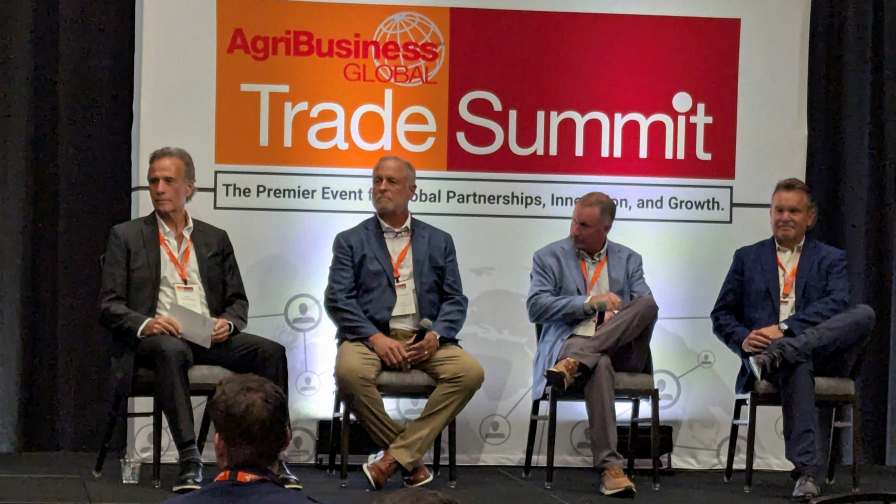
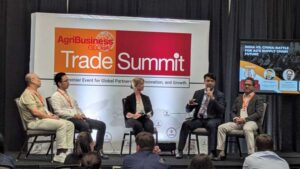
In the session, “India vs. China: Battle for Ag Supply Future,” David Li, Vice President of SPM Biosciences and Kevin Li, General Manager of Fuhua Crop Protection teamed up against Abhijit Bose, Executive President and COO of Tagros Chemicals and Abhishek Aggarwal, President and COO of Bharat Rasayan to debate geopolitical, supply chain, and other influences on each country’s resilience and leadership in specific areas of artificial intelligence, manufacturing and R&D.
During the debate, both teams agreed that China was taking the lead in using artificial intelligence for R&D, which may give them an upper hand in the future with intellectual property.
2. Biologicals in the U.S.
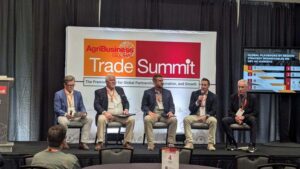
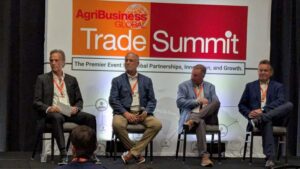
Other highlights from the day included the panel discussion led by Neil DeStefano, Principal of Neil DeStefano Consulting, with three U.S. ag retailers on what information biological companies need to present to make a case for their products.
Panelists included Jeff Carr, Strategic Marketing Manager Biologicals for Winfield United; Dean Hendrickson, Vice President of Crop Protection Agronomy for CHS; and Mike Powell, Senior Brand Lead-Crop Production Brands/Bioscience Brand Manager Helena Products Group for Helena Agri-Enterprises.
Some of the key takeaways from the conversation were:
- Understand the competition. More than 100 companies meet with these ag retailers each year, with data showing their product’s efficacy. Having an understanding of what products are out there and what makes your product different and valuable.
- Return on Investment. The pricing of a product needs to allow for the grower and ag retailer to make a return on investment as well as the company making the product.
- Role on the Farm. Ag retailers are looking for products to enhance the current products growers are using, so not as a replacement. Companies need to show how their products work with current products growers are using and the added benefits they bring.
- Mode of Action. Companies need to know exactly how their product works and be able to explain it, so ag retailer sales staff and agronomists can use this information to educate growers.
After the session, the panelist joined seven biological companies for a invitation-only speed pitch in a private meeting room, where each company talked with the U.S. ag retailers, an investor and a consultant about entering the U.S. market.
3. Tier 4: Brokers
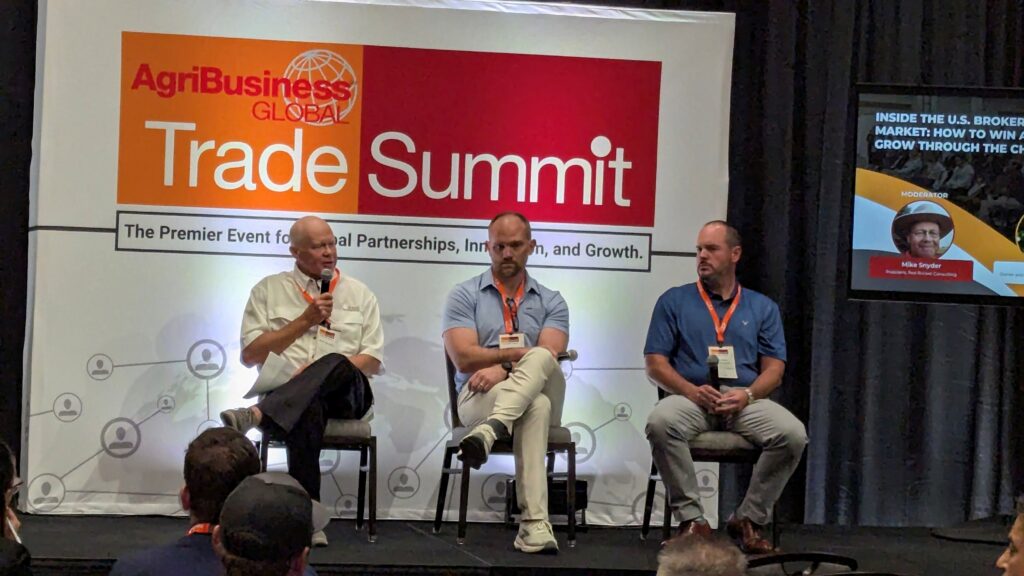
Concluding the day, Mike Snyder, President of Red Rocket Consulting moderated a panel discussion with Luke Snyder, Owner and President of AgriSelect Evansville and Jordan Tomlinson, Vice President of Business Development for TopLine Crop Protection, about the important role brokers play in circulating crop protection products in the U.S.
“Tier four is the alternate distribution channel,” said Tomlinson. “We are the catch all, selling to ag retailers and growers. We have a lower overhead and are nimbler of the four tiers.”
Other highlights from the day included Steven Pearce’s presentation on Unexpected Opportunities for companies looking to grow their business.
Get The Newsletter Today!